
Last updated November 22, 2026
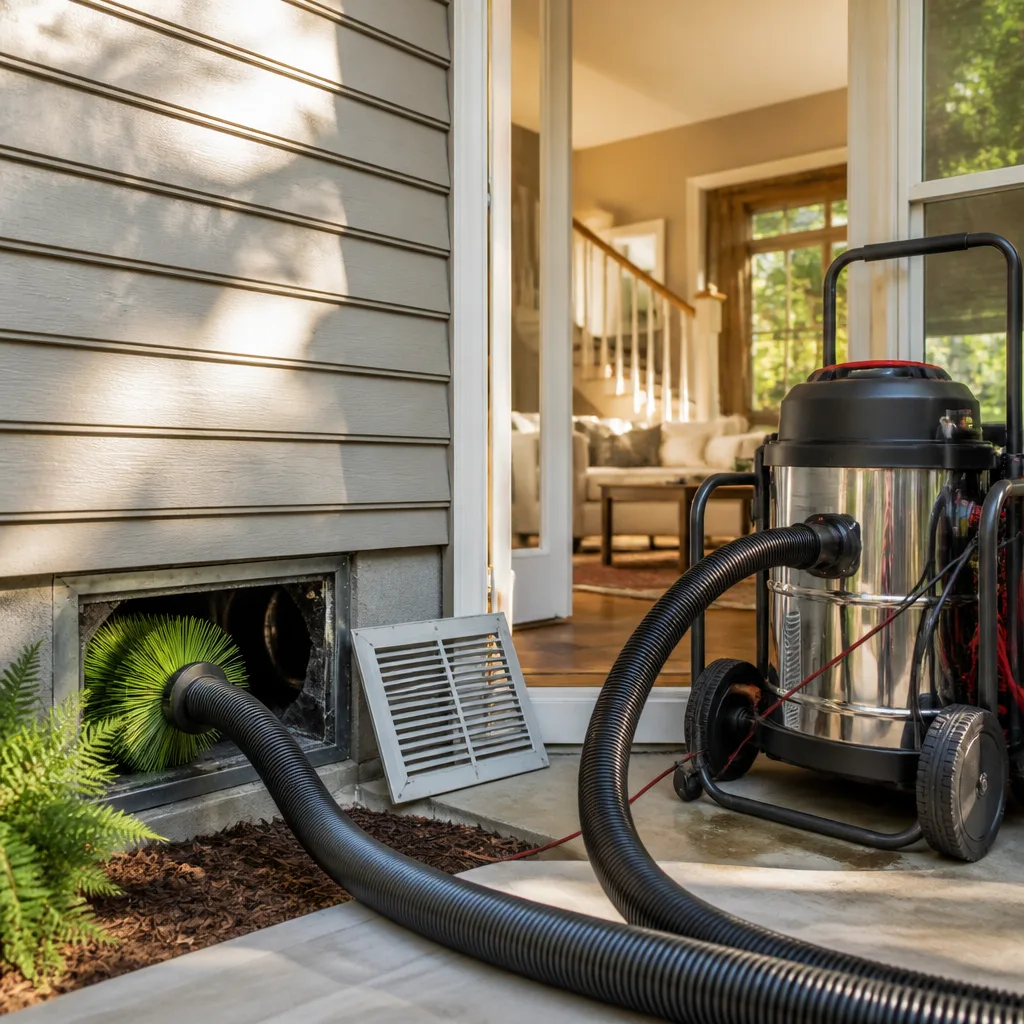 Whole-home duct cleaning
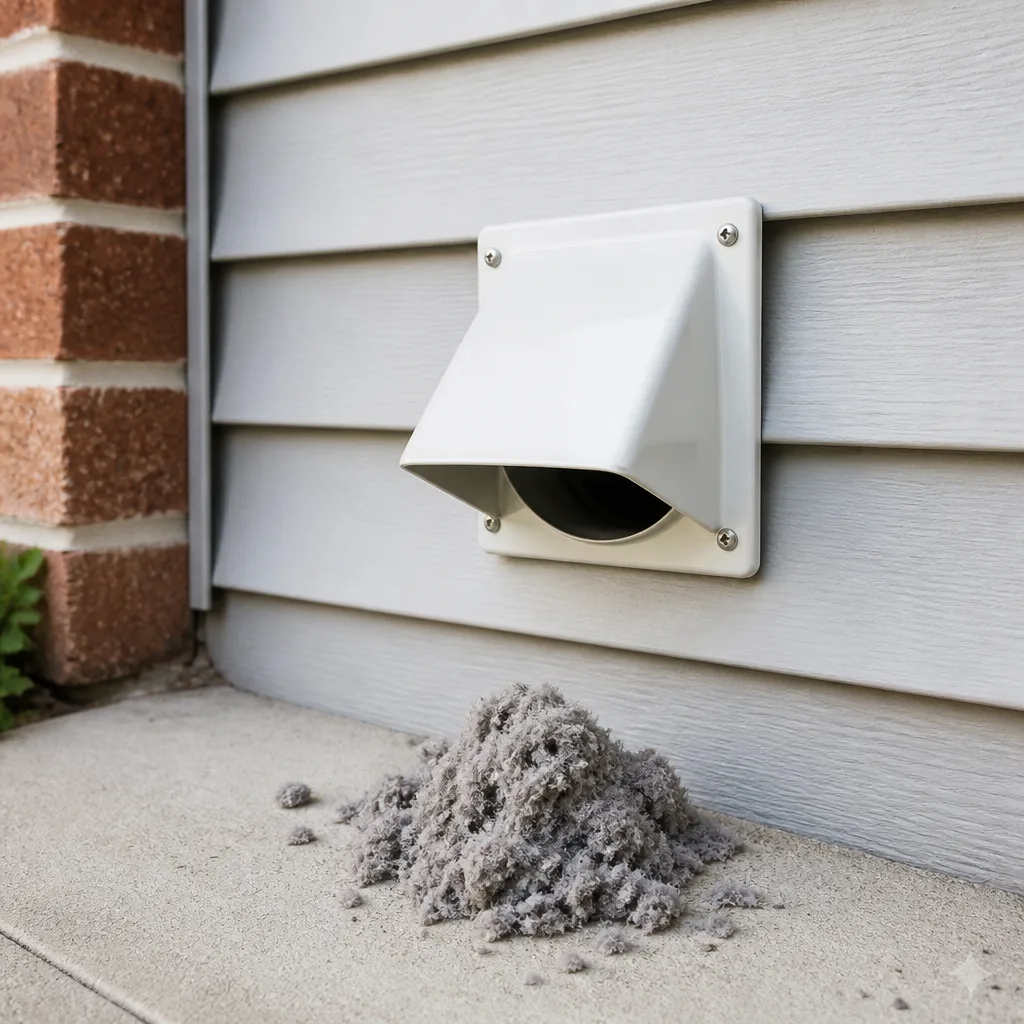 Dryer vent cleaning
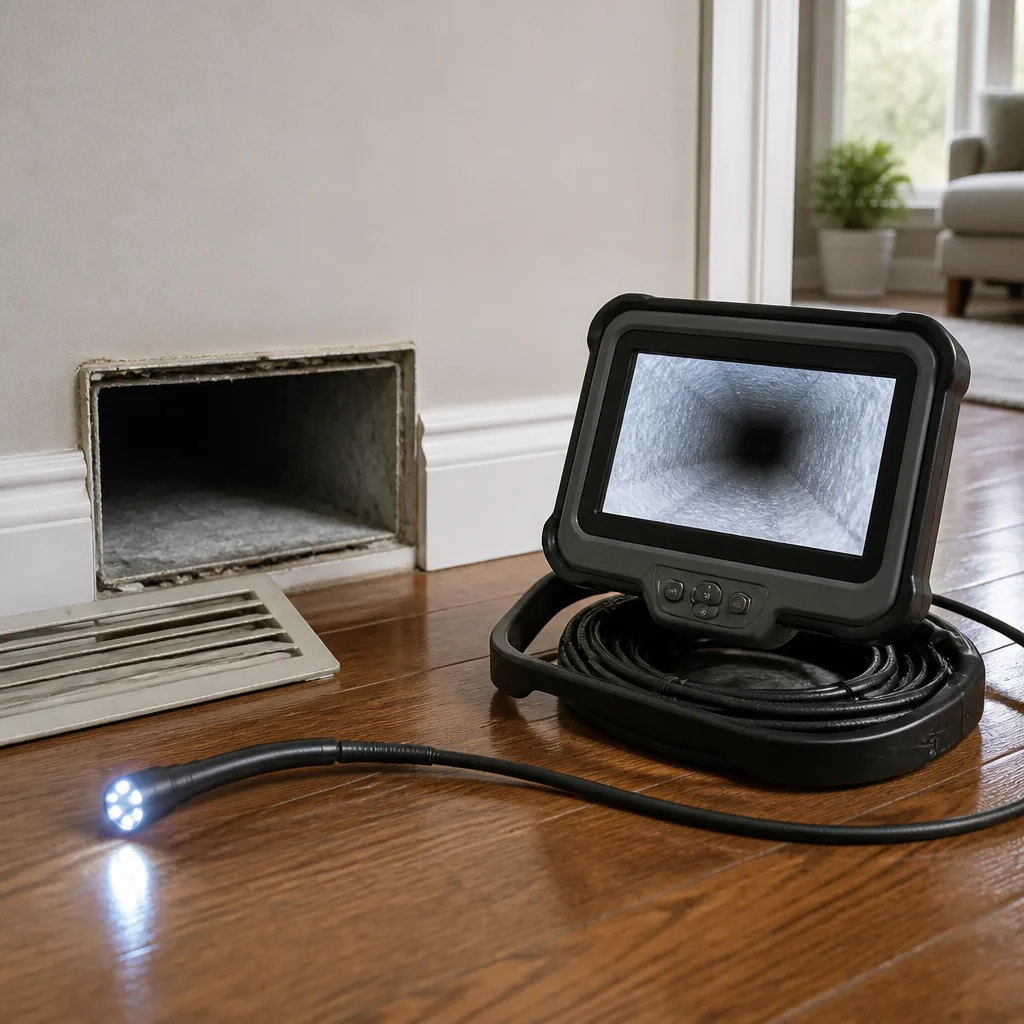 Camera inspection
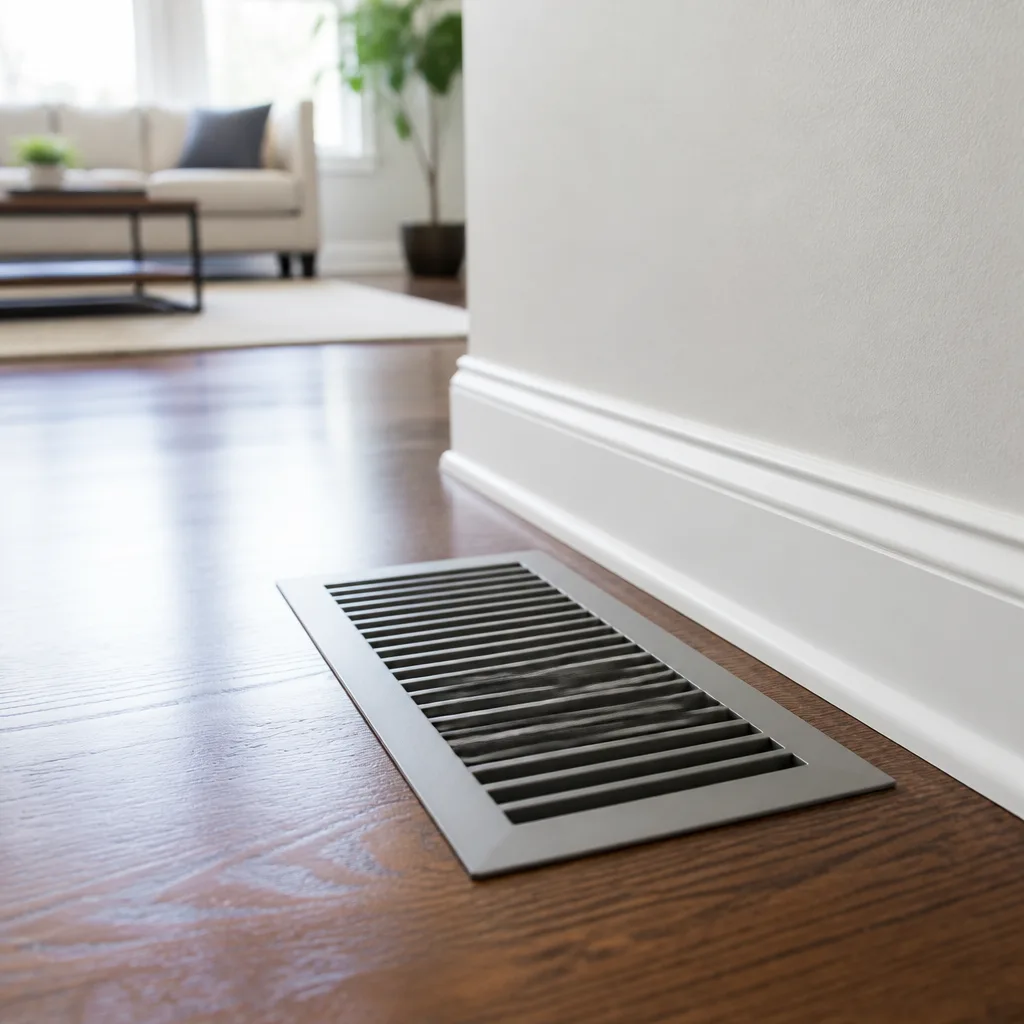 Sanitizing & deodorizing
Whole-system duct and dryer vent check with before-and-after photos - you see exactly what came out of your vents
That "$99 whole-house special" is a bait ad - the real number appears once they are in your hallway, or the "clean" is a shop-vac at the register. We photograph the inside of your ducts before and after instead.
The Complete Guide to Air Duct Cleaning in Jamaica
Most air duct cleaning guides describe a suburban house in a low-traffic town, and that description doesn’t match Jamaica, NY. Homes here sit under approach paths to JFK, beside the Van Wyck Expressway, and inside one of the densest built environments in Queens. The housing stock is older, the ductwork is often unconventional, and the particulate load on a return grille is nothing like a suburban benchmark. This guide maps the actual method to those conditions: what equipment a real cleaning requires, how pre-1980 duct systems change the protocol, what post-cleaning verification should show you, and why sealing and repair belong inside a complete job rather than bolted on as an upsell. If you’ve been quoted a coupon price and want to know what it buys, start here.
Quick Answer
Air duct cleaning in Jamaica means mechanically agitating the entire duct system under continuous negative pressure, then extracting the dislodged debris into a HEPA-filtered collector so it never re-enters your living space. A legitimate job uses rotary brush equipment like Rotobrush and a high-CFM vacuum like Nikro, takes several hours for a full residential system, and ends with camera verification you can watch. Cleaning alone won’t hold if the ducts leak, which is why sealing and repair are part of the same scope, not a separate sales conversation.
Styles & brands we work with
- Whole-home duct cleaning
- Dryer vent cleaning
- Camera inspection
- Sanitizing & deodorizing
Table of Contents
- Why Jamaica’s Air Ducts Get Dirty Differently
- Older Housing Stock and the Duct Configurations That Come With It
- What a Real Source-Removal Cleaning Looks Like, Step by Step
- Why the Equipment Decides the Result
- How to Verify the Work Was Actually Done
- Duct Repair and Sealing: Why Cleaning Alone Re-Contaminates
- How Often Ducts in Jamaica Really Need Cleaning
- What Air Duct Cleaning Costs in Jamaica
Why Jamaica’s Air Ducts Get Dirty Differently
Jamaica sits in the flight path of one of the busiest airports in the country and a short distance from the Van Wyck Expressway. That combination puts a continuous, fine particulate load into the air over the neighborhood. Jet exhaust leaves ultrafine particles. Road traffic along the Van Wyck and the surrounding arterial streets generates tire and brake dust that settles on every surface it touches. Neither settles politely outdoors. Both find their way into return-air grilles, where the HVAC system pulls them into the ductwork and coats the interior with a layer that a standard filter isn’t designed to stop.
Compare that to a suburban benchmark, where the dominant particulate is pollen and the occasional dust event. In Jamaica, the load is finer, more constant, and more chemically varied. A duct system that pulls return air from a first-floor hallway or a basement ceiling is effectively a low-grade collection device. The filters catch the coarse material. The fine fraction passes through and adheres to the duct walls, the blower wheel, and the evaporator coil.
That matters for three reasons:
- Fine particles are harder to dislodge. A shop vac and a flexible hose will pull loose dust off the bottom of a duct. It will not touch the material bonded to the walls by years of air movement. Mechanical agitation is what breaks that layer free, which is why the brush equipment matters more in Jamaica than it would in a cleaner air environment.
- The volume of air moved is bigger. Dense housing means more units per square mile and more HVAC systems running simultaneously. Aesthetics aside, that means more filtration load on the neighborhood as a whole, and no individual homeowner can do much about it except protect their own system.
- Re-contamination is faster. A cleaned duct system in Jamaica gets dirty again sooner than the same system would in a low-particulate area. That doesn’t mean you should clean more often than necessary; it means the cleaning has to be thorough, and the duct envelope has to be tight, so the system isn’t pulling unfiltered air in through gaps.
We’ve seen the difference in the field. A Jamaica return trunk that’s been in service for a decade under normal use will typically carry a heavier layer of fine material than a suburban system of the same age. That’s not a reason to panic, and it’s certainly not a reason to buy a cheap surface cleaning. It’s a reason to know what equipment and method your job actually requires.
Older Housing Stock and the Duct Configurations That Come With It
A lot of the housing in Jamaica went up before 1980, and that changes the cleaning protocol considerably. Homes from the 1920s through the 1950s often have gravity or early forced-air systems built with a “octopus” configuration: a central furnace, then a fan of individual round ducts radiating out to each register. Modern flex duct is a single flexible tube with a smooth interior. Octopus ducts are rigid, often wrapped in older insulation, and frequently run through unconditioned spaces like attics and crawlspaces. Those ducts can be full of debris and also structurally fragile.
Homes built in the 1950s and 1960s sometimes have ductwork insulated with materials that a prudent contractor treats as potentially containing asbestos until proven otherwise. That’s not a scare point; it’s a handling question. Abrasive mechanical cleaning on friable insulation can release fibers into the air. The right approach in those cases is to inspect, identify the material, and use wet methods, encapsulation, or enclosure around the vulnerable sections rather than power-brushing through them. If a contractor wants to run a rotary brush through a system without looking at the insulation first, that’s a warning sign.
What to check before any cleaning in an older Jamaica home:
- Duct material and condition. Rigid metal, duct board, flex, or a mix? Any crushing, disconnected sections, or taped joints that have failed?
- Insulation type. Where is it, what does it look like, and can it tolerate mechanical agitation?
- Access points. Are there enough access panels for the brush and vacuum to reach the whole system, or will the contractor need to cut and later seal new ones?
- Return-air paths. Older homes often use panned joists or wall cavities as return ducts. Those paths behave differently and clean differently than dedicated metal returns.
- Liner condition. Any internal liner that’s delaminating needs repair before cleaning, not after.
In our experience, this diagnostic step is where cheap quotes fall apart. A crew that shows up with a shop vac and no inspection plan is going to either damage a 1940s duct system or miss most of it. Neither outcome is worth the invoice, however low it is.
What a Real Source-Removal Cleaning Looks Like, Step by Step
Source-removal cleaning means the contaminants leave the building. Surface cleaning means they’re moved around inside it. The two look similar from the driveway and produce very different results. Here is what a legitimate job involves.
- Inspection and scope. The technician maps the system, counts the registers and returns, inspects the blower and coil, and notes any duct damage. The written estimate sets a flat price for the whole system before work starts, not a per-vent number that grows as the job goes on.
- Containment setup. Negative pressure is established before any agitation begins. This is where Abatement Technologies filtration equipment comes into play: a HEPA air filtration device runs inside the work area to capture airborne particles before they can migrate into living spaces. The goal is that anything dislodged stays contained.
- High-CFM vacuum connection. A Nikro vacuum connects to the main trunk through a dedicated access, pulling the entire system into negative pressure. Every branch duct now flows toward the collector instead of leaking into rooms.
- Mechanical agitation. A Rotobrush rotary brush moves through each branch and the trunk, breaking loose the bonded layer on duct walls. Compressed air whips the corners and the plenum. The vacuum captures what the brush frees.
- Component cleaning. The blower wheel, evaporator coil, and drain pan get cleaned. A duct system whose blower is still dirty will re-contaminate itself within weeks.
- Sanitizing where warranted. If microbial growth or odor is present, an EPA-registered sanitizer and a Guardsman-backed surface treatment goes in after the cleaning, not before. Cleaning first, treating second.
- Verification. A duct camera goes through the system and the customer sees the feed. Photos of before and after sections are provided.
- Sealing and repair. Failed joints, disconnected runs, and gaps get sealed. This is the step that keeps the cleaning from being cosmetic.
If the sequence doesn’t include negative pressure before agitation, or if there’s no verification at the end, what’s happening is not source-removal cleaning. It’s a surface sweep. That said, high-tension electrical and gas work belongs to a licensed professional; duct cleaning is a separate discipline, but it does overlap with the electrical and gas side of an HVAC system, and the technician on site should know the difference and stop where their scope ends.
Why the Equipment Decides the Result
Your ducts are only as clean as the equipment used to clean them. That’s a plain statement, not a slogan. Consider what each piece of equipment actually does:
- Rotobrush rotary brush systems are purpose-built for HVAC duct interiors. The rotating head keeps the brush in contact with duct walls while a vacuum pulls debris into a collection chamber. On a Jamaica system with a decade of bonded fine particulate, this is what turns a dirty duct into a clean one.
- Nikro high-CFM vacuums provide the suction volume and negative pressure that make mechanical agitation safe. Without adequate CFM, loosened debris simply becomes airborne inside the house.
- Abatement Technologies air filtration keeps dislodged contaminants inside the work area rather than circulating into bedrooms and kitchens. That matters more when the air outside the duct is already loaded with particulates.
- Honeywell and Aprilaire air quality products extend protection past the cleaning itself. Filtration and humidity control at the HVAC system level reduce how fast a cleaned system re-contaminates.
What generalist competitors often bring is a shop vac, a hose, and a flashlight. That setup will pull loose dust off the bottom of a duct, and it will do nothing about the bonded layer on the sides or the plenum above the coil. In our experience with Jamaica duct systems, that’s the difference between a cleaning that lasts a few months and one that lasts a few years. Commercial-grade equipment, put to work on a residential system, is what closes that gap.
The equipment question also helps you screen contractors. Ask what rotary brush system they use and what CFM their vacuum delivers. A crew that can’t answer either question is not equipped for source-removal work.
How to Verify the Work Was Actually Done
Verification is the single most useful thing you can demand on a duct cleaning job, and it’s the point where a serious contractor and a coupon operator diverge sharply. A flashlight pointed at a register tells you almost nothing. A flashlight and a phone photo of a single cleaned section tells you only what was cleaned most recently.
What legitimate verification looks like:
- Duct camera feed. The technician runs a camera through trunk and branches while you watch the monitor. You should see clean duct walls, no debris piles, no collapsed sections.
- Before-and-after photos of your system. Not stock images. Photos of the duct interiors and grilles in your home, taken on the job.
- Blower and coil inspection. You should be able to see that the blower wheel and evaporator coil were cleaned, not just the ducts.
- A written summary of any damage found. If a duct run is disconnected or crushed, that should appear in writing, whether or not you choose a repair.
What should raise a flag: photos of the outside of a register, a verbal “looks good in there,” or a crew that packs up as soon as the brush comes out. If the contractor can’t offer camera verification, ask why. A legitimate operation can always show you what came out and what the duct looks like now.
Duct Repair and Sealing: Why Cleaning Alone Re-Contaminates
A cleaned duct system that leaks will re-contaminate faster than the original system did. This is why we say we don’t just clean – we seal, repair, and protect. The reason is plain: every gap, failed taped joint, disconnected branch, and unsealed panned-joist return is a path for unfiltered air to enter the system downstream of the filter. In Jamaica, where the outdoor air is already carrying a significant particulate load, that unfiltered air is not clean air.
Common duct defects we encounter in older Jamaica homes:
- Taped joints that have dried and failed
- Disconnected branch runs at the trunk and at the register boot
- Cracked or crushed sections of rigid duct in attics and crawlspaces
- Panned joists with gaps at the perimeter
- Improperly sized or missing access panels
Duct sealing is not an upsell. It’s the step that makes the cleaning durable. A properly sealed system pulls air through the return and filter where it’s supposed to, and not through the attic. That extra work extends the life of the cleaning, reduces the strain on the HVAC system, and often shows up as a lower heating and cooling bill. It also protects the coil from the dust that leaks in.
Duct repair and sealing are core services here, handled by the same technicians who do the cleaning. That matters because the person sealing the joint has already inspected the duct from the inside.
How Often Ducts in Jamaica Really Need Cleaning
There’s no universal calendar answer, and any company that gives you one without asking about your system is guessing. What we can say reliably: the combination of urban particulate load and older housing stock in Jamaica pushes most homes toward the earlier end of the general recommendation.
Reasonable intervals to work from:
- Every 3-5 years for a home with pets, a smoker in the household, or family members with allergies or asthma.
- Every 5-7 years for a typical Jamaica home with no pets and no known respiratory concerns, assuming the ducts were cleaned and sealed properly the last time.
- Sooner if visible signs appear. Heavy dust on registers, musty odor when the system starts, visible debris inside the grilles, or a recent renovation that generated construction dust.
- After any major renovation or HVAC replacement. Drywall dust and construction debris settle in the ductwork and should be cleared before the system runs again.
For property managers handling multi-family units in Jamaica, scheduling cleaning between tenants is often the more practical approach. It resets each unit’s ductwork, gives you before-and-after documentation for the file, and eliminates a source of odor complaints before they start.
What Air Duct Cleaning Costs in Jamaica
We don’t quote coupon prices, and we don’t do per-vent pricing. A real cleaning is priced per system, based on the size of the system, the number of trunks and branches, the condition of the ductwork, and whether repair or sealing is included. The written estimate sets the final price, and it’s agreed before any work begins.
What drives the price up or down:
- Number of HVAC systems in the home (a two-system home is two jobs)
- Number of returns and trunk runs
- Access – ducts that are easy to reach clean faster than ducts in tight crawlspaces
- Duct configuration – octopus systems with many small branches take longer than a modern trunk-and-branch layout
- Condition – a system with disconnected runs or damaged insulation needs repair before cleaning
- Whether duct sealing, dryer vent cleaning, or HVAC cleaning is included in the same visit
Because costs vary this much by home, we don’t publish a single number here. The estimate is free, and the number you get is the number you pay. If a quote is dramatically lower than another, ask exactly what equipment will be on site, whether negative pressure will be established, and whether you’ll receive camera verification. The gap between quotes is usually explained by those three questions.
For a full-spectrum engagement, we also offer dryer vent cleaning and HVAC cleaning alongside the duct work, so a single visit can cover the whole system rather than scheduling separate contractors for each piece.
Common Mistakes to Avoid
- Booking on price alone. A coupon quote that turns into a much larger invoice once the technician is on site is the standard bait-and-switch in this industry. Ask what the flat per-system price covers before you book.
- Accepting a shop vac as “equipment.” A generalist with a shop vac can move dust around inside your ducts, but in a Jamaica home with bonded fine particulate, that’s not cleaning. Ask what rotary brush and vacuum system will be on site.
- Skipping the camera verification. If you don’t see the duct interior before and after, you have no way to know what was actually done. Insist on it.
- Cleaning without sealing. A cleaned but leaking duct system re-contaminates faster than the original. If the quote stops at cleaning, ask why.
- Cleaning an older duct system without inspecting the insulation first. Pre-1980 ducts sometimes carry insulation that needs careful handling. A crew that brushes before they inspect is taking a risk they shouldn’t.
- Ignoring the blower and coil. Ducts are only part of the system. A dirty blower wheel and evaporator coil will re-contaminate freshly cleaned ducts within weeks.
- Waiting for a health complaint. Visible dust on registers, musty odor, or increasing allergy symptoms are the signs to act on. Ducts don’t need to be visually filthy to be sending particulate into the air.
See the difference
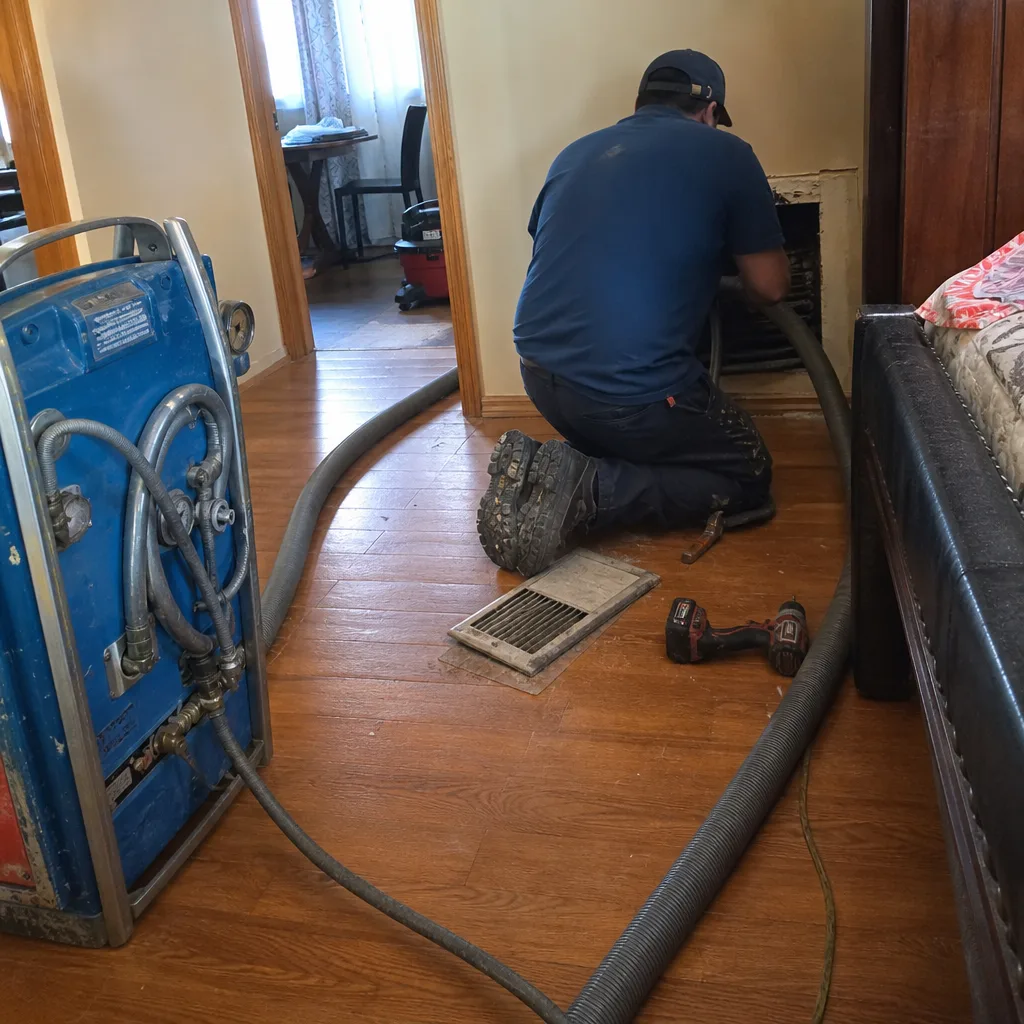 Before
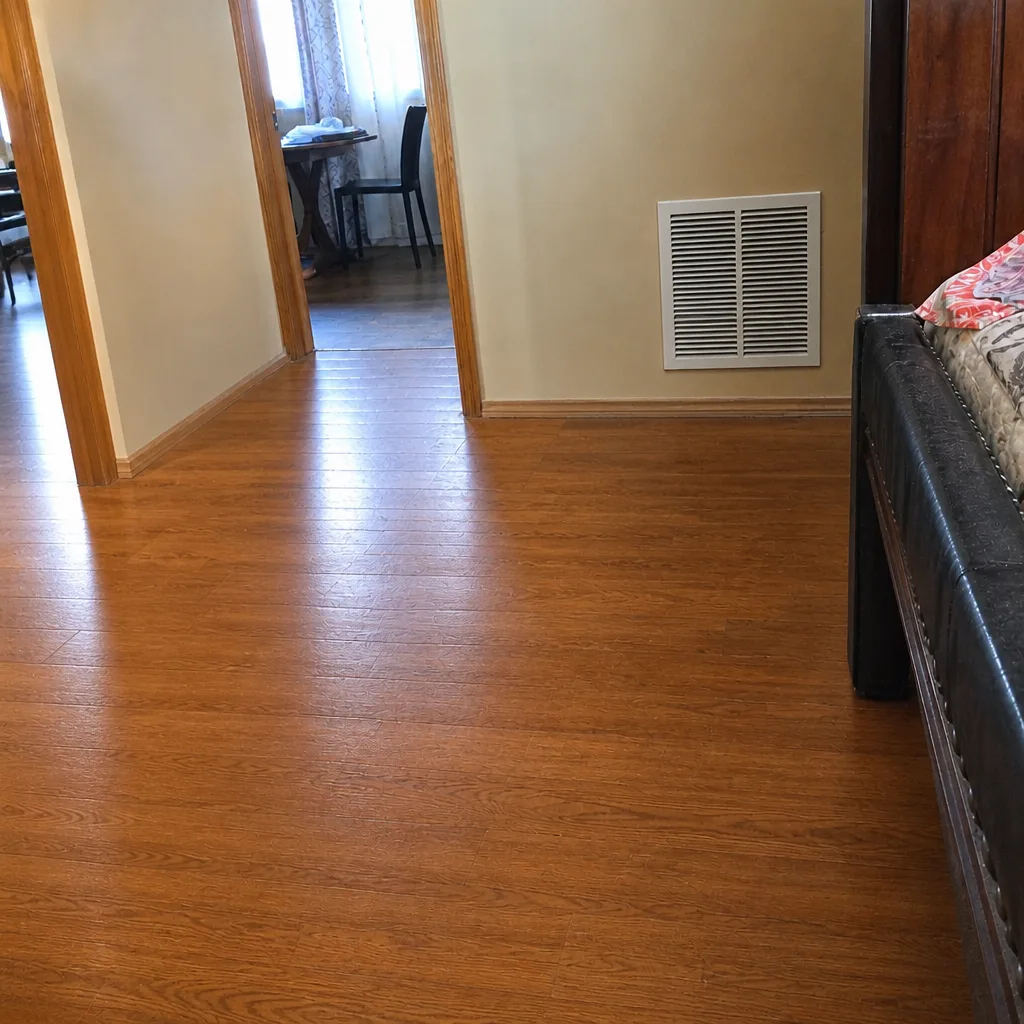 After
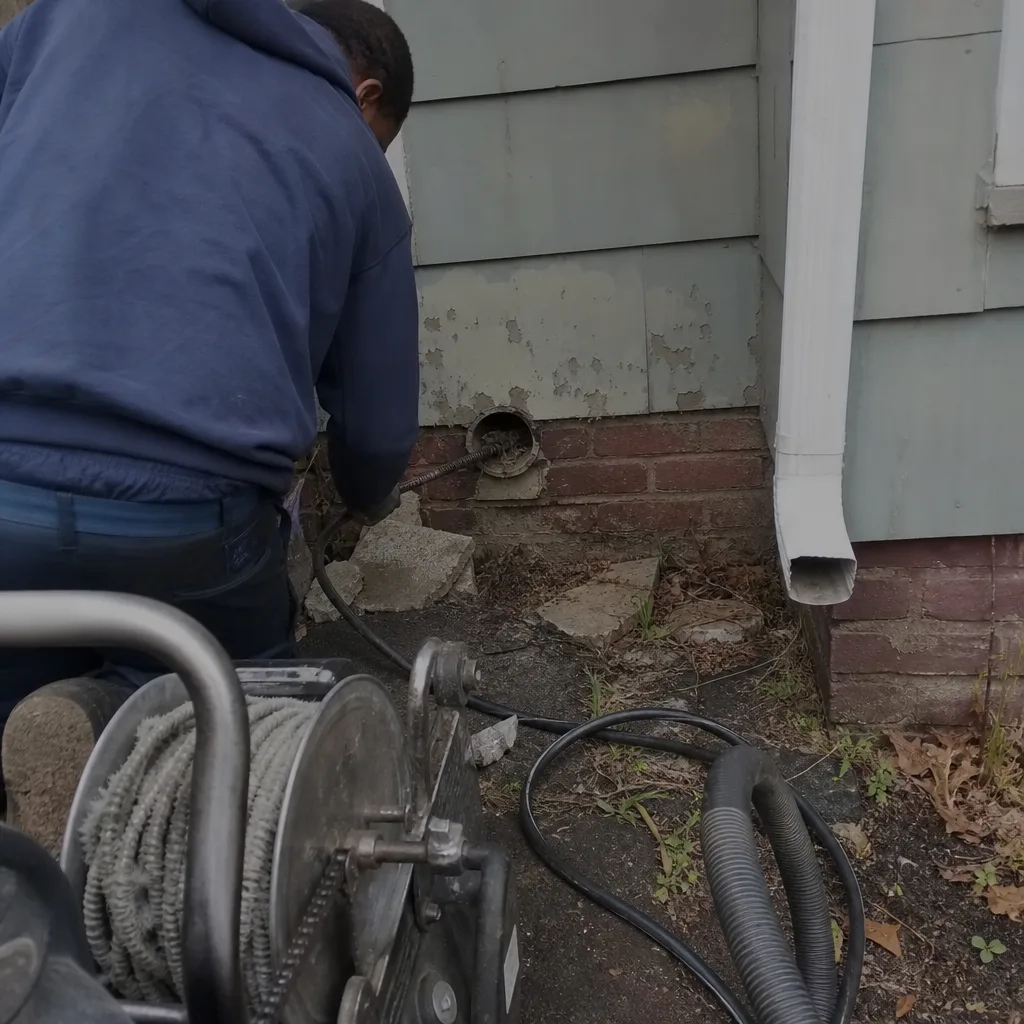 Before
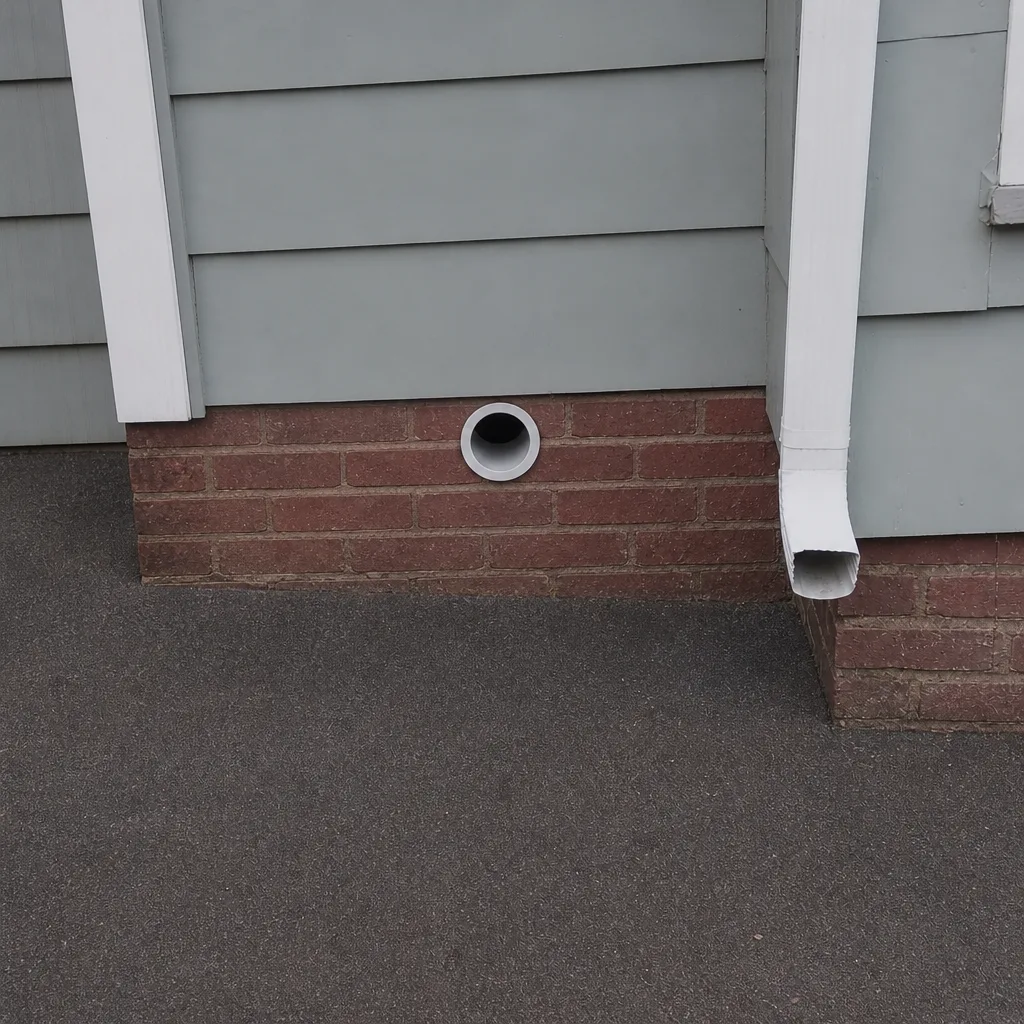 After
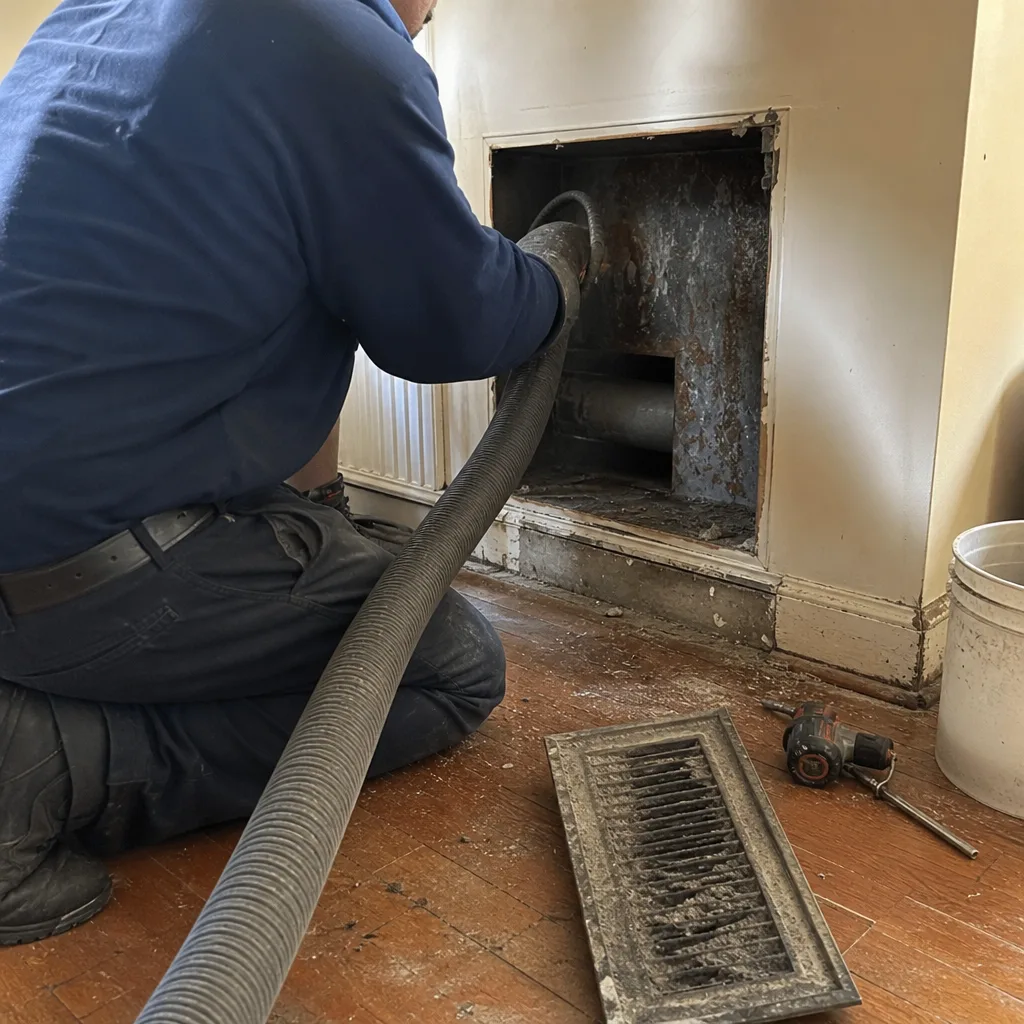 Before
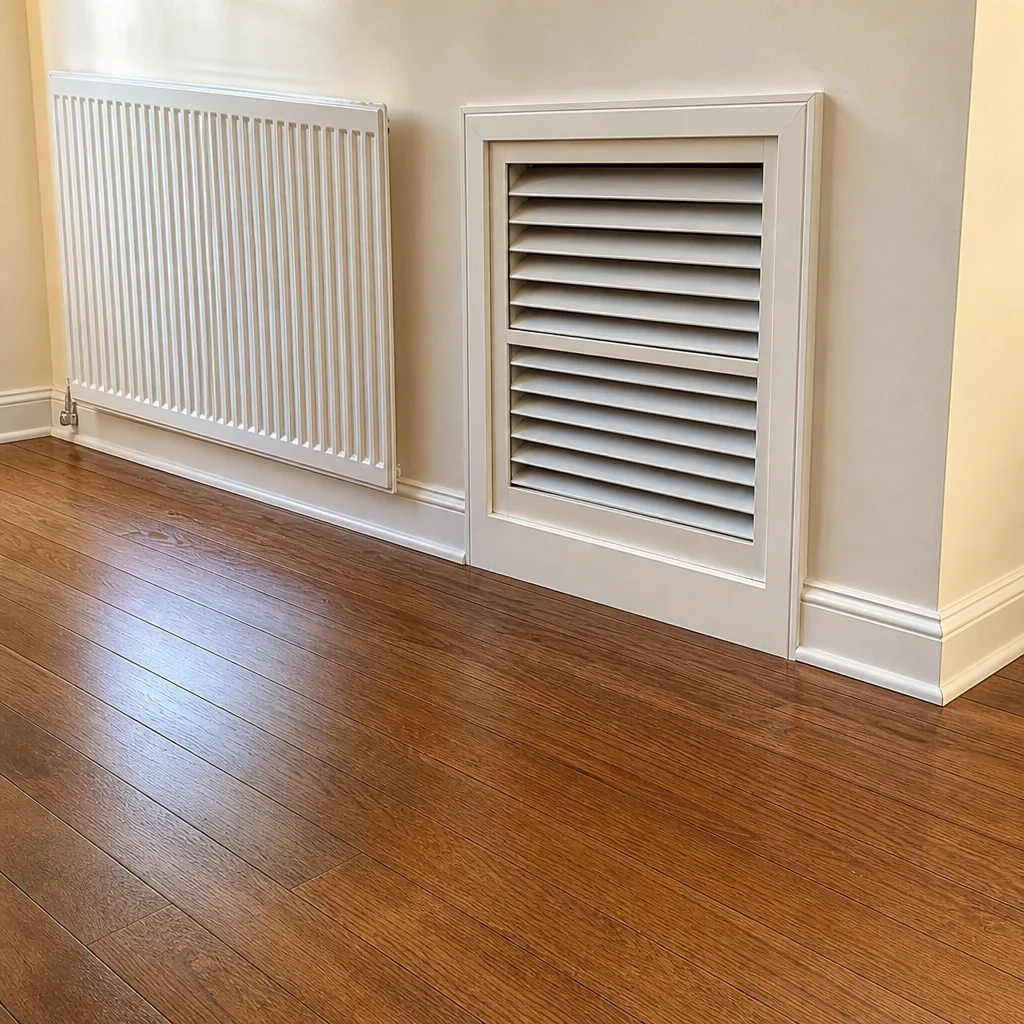 After
When to Call a Professional
Some situations call for a technician rather than a wait-and-see approach. Visible debris or heavy dust on the inside of the grilles. A musty or stale smell when the system starts. Allergy or asthma symptoms that get worse indoors. A recent renovation that generated drywall dust. A dryer that takes much longer than it used to, which points to a clogged vent. An older Jamaica home that has never had its ducts cleaned and sealed, especially with visible damage at the joints. And any property manager handling a unit turnover who needs documentation of the duct condition. Air Duct Cleaning Jamaica offers free estimates in Jamaica – call (866) 937-8830 to schedule one. We answer 24/7. Fast dispatch from 7am to 7pm, Sunday through Friday.
Frequently Asked Questions
Visible dust on the registers, musty odor when the system runs, worsened allergy symptoms indoors, or a recent renovation are the clearest signs. A home that has never had its ducts cleaned, especially an older one, is also a reasonable candidate for an inspection. Call (866) 937-8830 for a free estimate – we’ll tell you honestly whether cleaning is warranted.
Pre-1980 homes often have octopus-style duct systems, rigid metal instead of flex, panned-joist returns, and insulation that requires careful handling. The cleaning protocol has to account for all of it, including inspection before any brush goes in. A crew that treats an older system like a modern flex-duct job is going to miss most of the ductwork or damage it.
Cheap quotes typically reflect a surface sweep with a shop vac, no negative pressure, no camera verification, and a per-vent price that grows once the crew is on site. The equipment, the containment setup, and the verification step are where the cost of a real cleaning actually lives. If a quote is dramatically lower, ask what rotary brush system, vacuum CFM, and verification method are included.
A typical residential system with one HVAC unit takes several hours from setup to verification; larger homes, multi-system properties, or jobs with repair and sealing take longer. The flat per-system price is set by the written estimate before work starts, so the time on site doesn’t change the invoice. Call (866) 937-8830 for scheduling.
In most Jamaica homes with older ductwork, yes. A cleaned but leaking duct system pulls unfiltered air in through gaps and re-contaminates faster than the original system did. Sealing and repair are part of a complete job because they make the cleaning last. Ask about it during the estimate.
Yes. We work with residential property managers and small commercial building owners handling multiple units. Each unit is quoted and cleaned on its own scope, and before-and-after documentation is provided for the property file. Call (866) 937-8830 to arrange estimates for a multi-unit schedule.
The Bottom Line
Air duct cleaning in Jamaica works differently than it does in a low-particulate suburb, and the guide is long because the difference matters. The neighborhood’s airport and expressway traffic load the air with fine particulate. The pre-1980 housing stock brings duct configurations that need inspection before cleaning. Real source-removal requires rotary brush agitation, high-CFM vacuum, and containment filtration working together, followed by camera verification. Sealing and repair aren’t add-ons; they’re what keeps a cleaning from being cosmetic. And the flat per-system price agreed before work starts is the honest way to buy the job. For a full-spectrum look at what we do beyond duct cleaning, see our Air Duct Cleaning Jamaica overview, and for the core service itself, our air duct cleaning page walks through what a visit covers. When you’re ready for a quote, call (866) 937-8830 for a free estimate. We answer 24/7. Fast dispatch from 7am to 7pm, Sunday through Friday.
Written by the team at Air Duct Cleaning Jamaica.