
Last updated November 22, 2026
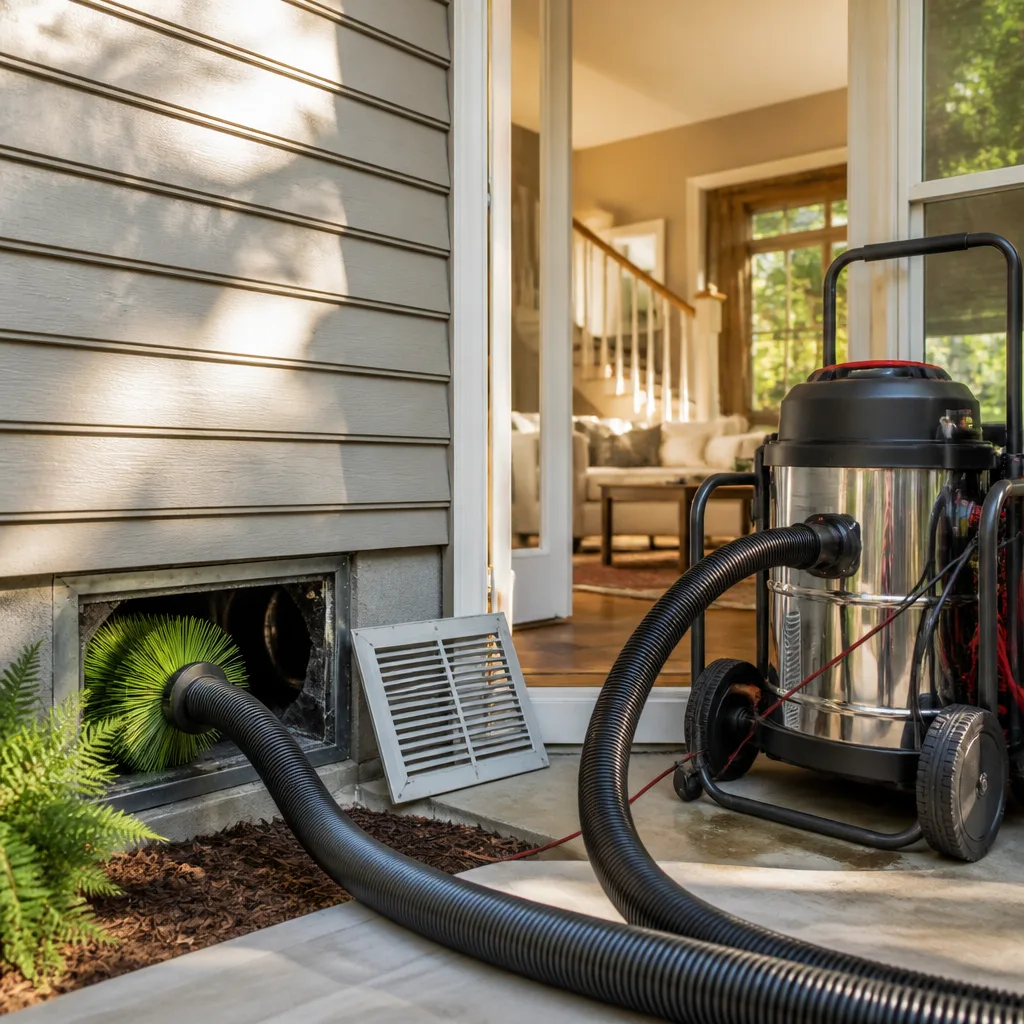 Whole-home duct cleaning
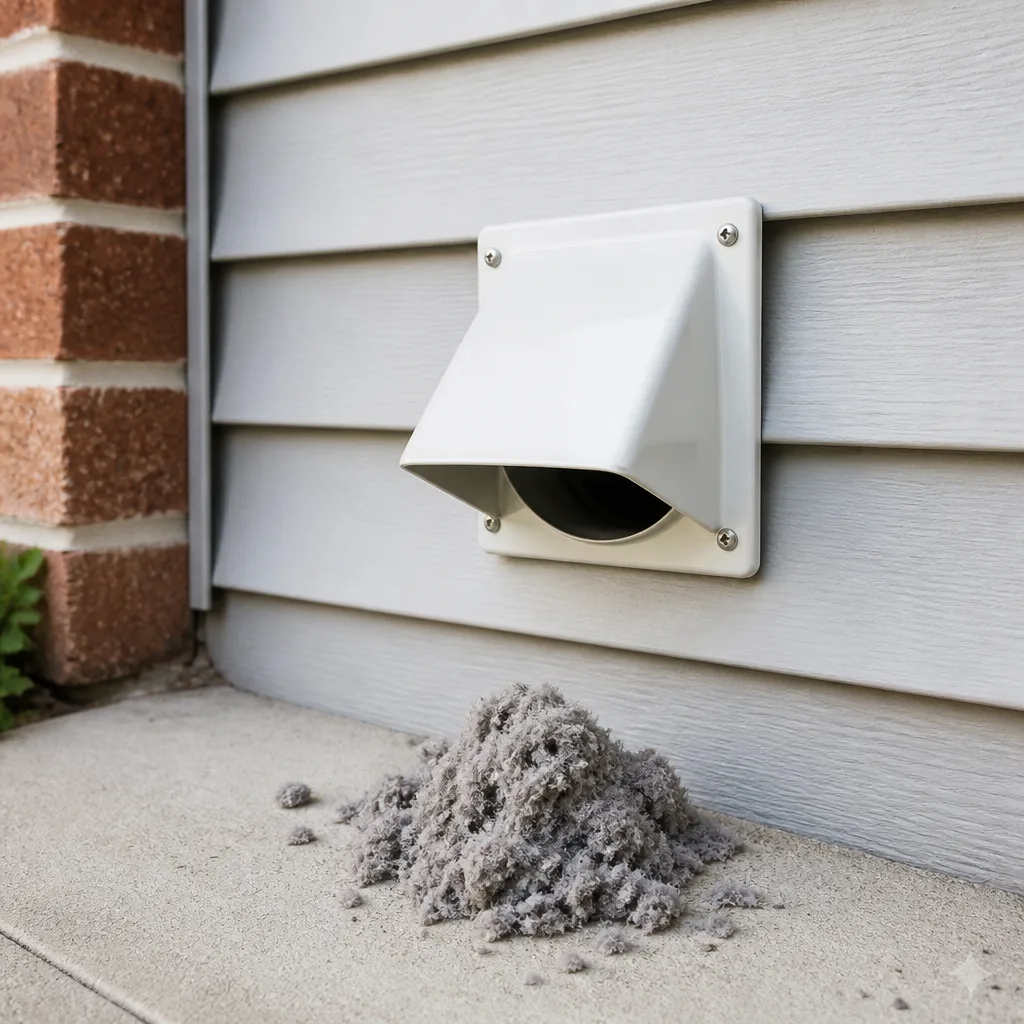 Dryer vent cleaning
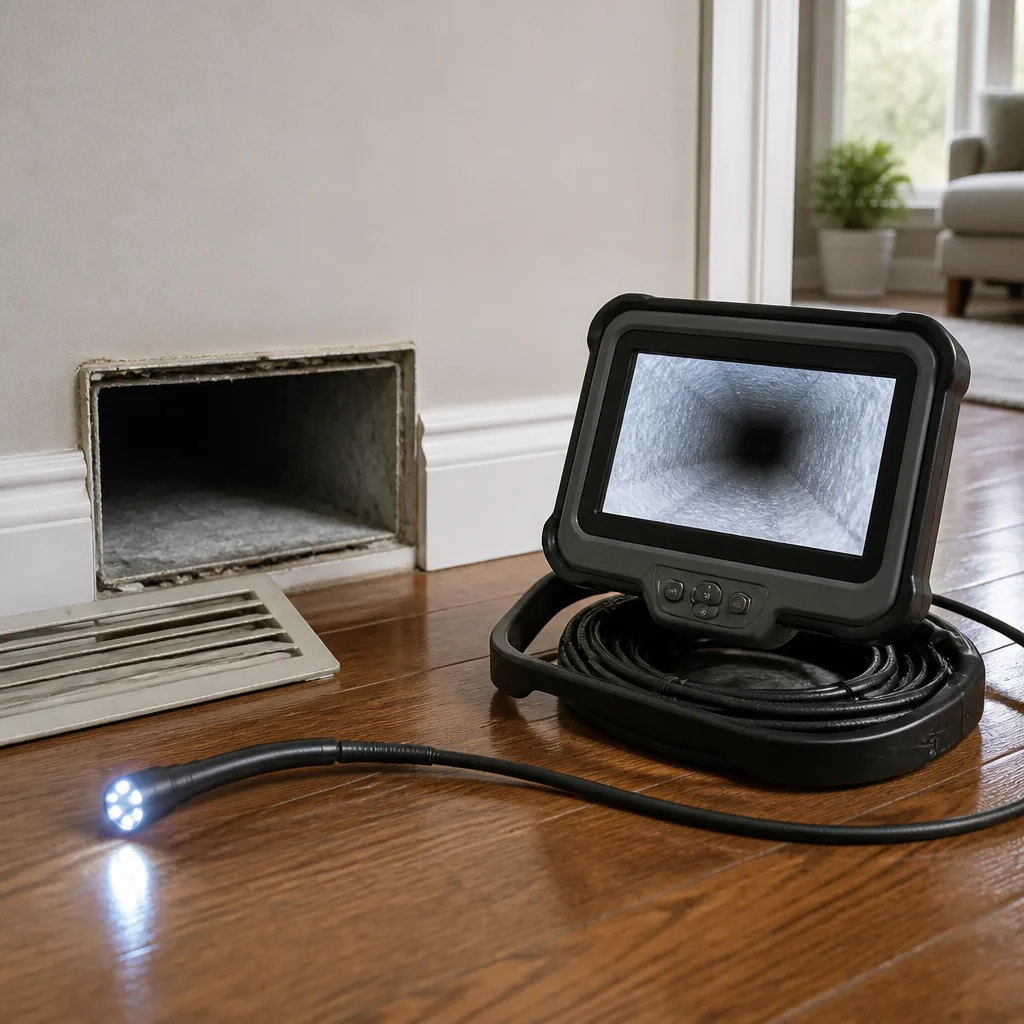 Camera inspection
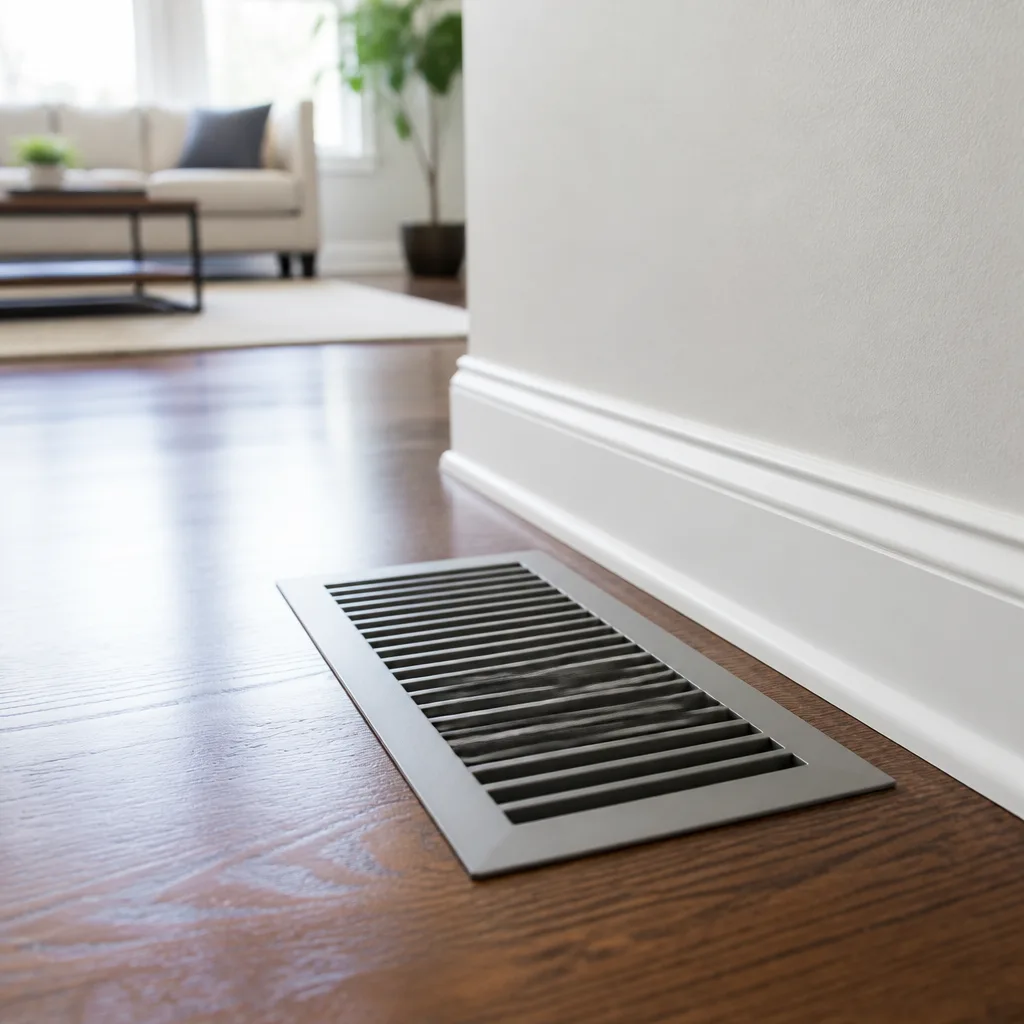 Sanitizing & deodorizing
Whole-system duct and dryer vent check with before-and-after photos - you see exactly what came out of your vents
That "$99 whole-house special" is a bait ad - the real number appears once they are in your hallway, or the "clean" is a shop-vac at the register. We photograph the inside of your ducts before and after instead.
DIY vs Professional Air Duct Cleaning: The Jamaica Homeowner’s Decision Guide
Every “DIY air duct cleaning” video shows someone vacuuming a register cover. That’s roughly as useful as vacuuming the outside of your refrigerator to clean the inside. The register cover is the least contaminated surface in the whole system; the debris you’re worried about sits in trunk lines and branch runs you can’t reach with a household vacuum. This guide isn’t going to tell you duct cleaning is rocket science or that you’re helpless with a shop-vac. It’s going to explain what DIY can genuinely accomplish in a Jamaica home, where the physics stops working in your favor, and how to judge whether a “professional” is actually delivering more than a motivated homeowner with decent tools.
Quick Answer
DIY air duct cleaning can handle register covers, accessible plenum surfaces, and routine filter and dryer vent upkeep, but it cannot achieve the airflow and negative pressure required to pull debris out of trunk lines and branch ducts. Real source removal needs commercial-grade negative-pressure equipment and mechanical agitation, which is why professional cleaning is the only method that reaches the contamination that actually circulates through your living space. In almost every Jamaica home with a real dust or odor problem, the professional route is the one that produces measurable results and a record of the work.
Styles & brands we work with
- Whole-home duct cleaning
- Dryer vent cleaning
- Camera inspection
- Sanitizing & deodorizing
Table of Contents
- The Physics of Source Removal: Why a Shop-Vac Isn’t Enough
- What DIY Air Duct Cleaning Can Legitimately Accomplish
- When DIY Fails in Jamaica Homes: Four Real Scenarios
- How to Evaluate a Professional Duct Cleaning Service
- The Documentation and Liability Gap
- What Professional Duct Cleaning Costs in Jamaica
- Common Mistakes to Avoid
- When to Call a Professional
The Physics of Source Removal: Why a Shop-Vac Isn’t Enough
Air duct cleaning works on a simple principle: you agitate the debris stuck to duct walls and simultaneously pull it out of the system under negative pressure. Both halves of that equation matter. Agitation without extraction just loosens dust into the air. Extraction without agitation leaves the adhered layer on the metal. A consumer shop-vac fails on both fronts, and it’s worth understanding exactly why so you can spot a professional job that’s cutting the same corners.
Start with airflow. A typical wet/dry vacuum pulls somewhere in the neighborhood of 100 to 200 cubic feet per minute at the hose, and that number collapses the moment you add hose length and a small nozzle. Air duct cleaning requires substantially higher CFM sustained across the length of the duct run, which is why professional equipment is purpose-built. The Nikro HVAC vacuum systems we use are designed to hold negative pressure through a full trunk line, not just at the entry point. That pressure differential is what lifts debris from the system rather than swirling it around inside.
Then there’s agitation. A brush on a stick doesn’t reach past the first few feet of a branch run, and it certainly doesn’t contact the full circumference of a rectangular trunk. The Rotobrush rotary brush system is what commercial HVAC contractors use for this: a rotating brush head driven through the duct by a flexible shaft, contacting all four walls of the run while the vacuum pulls loosened material back toward the collection point.
Put those two together and you have the standard professionals work from:
- Mechanical agitation via a rotary brush or compressed-air whip that reaches the full length of the run.
- Sustained negative pressure from a high-CFM vacuum connected at the trunk or plenum, pulling toward the collection point rather than into the living space.
- Containment so that dislodged dust doesn’t re-enter the air you breathe during the job.
That third point is the one most homeowners never think about and most cheap services skip entirely. When we clean, we run Abatement Technologies air filtration units on site so contaminants are captured at the source instead of escaping into the room. A shop-vac has no equivalent. Whatever it fails to capture goes into the air, which is why some DIY attempts leave a house dustier than before the attempt.
What DIY Air Duct Cleaning Can Legitimately Accomplish
We’re not going to pretend everything in your HVAC system is out of reach. There’s a real list of maintenance tasks a careful homeowner can do, and doing them well actually extends the interval between professional cleanings. Here’s what DIY handles, with the tools that work.
- Register cover cleaning. Remove each supply and return cover and wash it in warm soapy water. Vacuum the visible duct opening behind the cover with a brush attachment. This is where a lot of the surface dust you see actually collects, and it’s the easiest thing on the list.
- Accessible plenum wipe-down. The plenum is the box where the ductwork meets the air handler. If you can safely reach it with the system off and the panel removed, wiping the visible interior surfaces with a damp cloth removes settled dust. Don’t reach past what you can see.
- Filter upkeep. Change the filter on the schedule the manufacturer specifies, and don’t buy the highest-MERV filter your system wasn’t designed for; an over-restrictive filter chokes airflow and stresses the blower.
- Dryer vent maintenance. Disconnect the dryer, vacuum the transition duct, and clear lint from the exterior vent flap. This is genuinely important for fire safety, and it’s the DIY task with the highest payoff.
- Return grille dusting. A microfiber cloth on the return grille and the surrounding drywall stops dust from being pulled straight back into the system.
What that list does not touch is the inside of the trunk lines, the branch runs beyond the first bend, or the interior of the air handler coil. Those are the surfaces where the contamination that bothers you lives.
When DIY Fails in Jamaica Homes: Four Real Scenarios
Some duct conditions make the DIY question moot. Not because DIY is done badly, but because the system itself is beyond what a household vacuum can safely address. These show up often in the housing stock around Jamaica.
Post-renovation debris
Drywall dust, sawdust, and construction grit settle into ductwork during a renovation, and they don’t just blow through. They cake onto duct walls and, over time, into the blower and coil. A shop-vac can’t produce the pressure to lift that layer, and the fine dust is exactly what a cheap vacuum makes airborne.
Moisture intrusion events
When a storm or a plumbing leak pushes moisture into a duct run, the dust inside becomes a substrate for microbial growth. The musty smell that follows is a sign the problem has moved beyond dust. Cleaning alone may not resolve it, and a professional evaluation will tell you whether you need cleaning, sealing, or repair. This is where duct repair and sealing becomes the fix rather than cleaning.
Older homes with questionable duct insulation
Many older Jamaica homes have ductwork wrapped in insulation that has degraded, or interior duct lining that’s begun to flake. Disturbing that material with a shop-vac nozzle can spread fibers through the house instead of removing them. A professional evaluation should include a visual inspection of the duct interior before any cleaning begins, and a camera inspection is the honest way to do it. This is one of the strongest cases for a professional; the risk of making an older system worse with a DIY attempt is real.
Flex duct that collapses under inadequate suction
Flexible duct sags between hangers, and the corrugations trap debris that a shaft-driven rotary brush cleans properly. A consumer vacuum doesn’t generate enough pull to lift what’s caught in the ridges, and a poorly aimed nozzle can collapse a section of flex duct, restricting airflow to a room. The repair cost for a collapsed run dwarfs the difference between DIY and professional cleaning.
If any of those four apply to your home, the honest answer is that the DIY route isn’t the cheaper option; it just delays the professional call until the problem costs more.
How to Evaluate a Professional Duct Cleaning Service
The reason “professional” duct cleaning has a bad reputation is that plenty of companies charge professional prices and deliver shop-vac results. The question isn’t whether to hire a professional. It’s how to tell the difference between one that’s actually doing source removal and one that’s running a vacuum hose past your registers. Here’s the checklist we’d use if we were hiring someone for our own home.
- Ask what equipment they use by name. A real duct cleaning operation will tell you the brands: Rotobrush, Nikro, Abatement Technologies, or comparable commercial systems. If the answer is “industrial vacuum” with no specifics, that’s a warning.
- Ask how they contain dust during the job. Negative-pressure containment or air filtration on site is the standard. No containment means the dust that leaves the duct goes into your living room.
- Ask for before-and-after camera footage of your own ducts. Not stock photos, not a promotional video. Your ducts. A company that can’t produce this either doesn’t have a camera or doesn’t want you to see the condition.
- Ask whether the quote is per system or per vent. A whole-system flat price is the honest structure. Per-vent pricing usually means someone is counting and the count will climb.
- Ask what the quote covers beyond cleaning. If the technician finds a disconnected or crushed duct run, does the company repair and seal it? Duct repair and sealing is where a lot of air quality problems actually get resolved, and most duct-cleaning companies don’t offer it.
- Ask whether they also handle dryer vent and HVAC coil cleaning. A company that covers the full chain saves you from hiring three contractors for one indoor air quality problem.
For a deeper walk through the cleaning process itself, our air duct cleaning page lays out what a professional job involves from inspection through final verification. And if your dryer vent is the concern, dryer vent cleaning covers the fire-safety side in detail.
The Documentation and Liability Gap
One thing DIY can never match is the paper trail. This matters more than most homeowners realize, and it comes up in three common situations.
The first is resale. When you sell a Jamaica home, a buyer’s inspector will note the condition of the HVAC system. A professional cleaning record with before-and-after photos answers the question before it’s asked. DIY leaves you with a story about how you cleaned it yourself, which carries no weight with an inspector or a buyer’s agent.
The second is insurance. If you ever have to file a claim related to water intrusion, smoke, or a contamination event, documentation of the system’s condition before and after cleaning is useful evidence. A professional report with equipment logs and camera footage establishes the condition of the system at a point in time. DIY provides nothing an adjuster can use.
The third is health documentation. If someone in the household has a respiratory condition and a doctor or allergist asks about the home environment, a professional cleaning report is a factual document. We’re not medical professionals and won’t make health claims, but we can document the condition of a system before and after work.
This is why any serious professional service should be able to hand you a report with photos. If the company can’t, the gap between what they did and what a careful DIYer did is smaller than you’d like.
What Professional Duct Cleaning Costs in Jamaica
Duct cleaning pricing is where the industry’s bait-and-switch reputation comes from. The honest structure is a flat price per system, agreed before work starts, based on the size and layout of the ductwork and the number of systems in the home. Per-vent pricing is the structure that turns a $99 teaser into a four-figure invoice once the technician is on site and the count begins. Ask any company you’re considering which structure they use; the answer tells you a lot.
Here’s what a typical quote covers when it’s structured honestly:
- Full inspection first – camera inspection of the duct interior, including the air handler and coil area, before any cleaning starts.
- Mechanical agitation of all trunk and branch runs with a rotary brush system.
- High-CFM negative-pressure extraction through a commercial vacuum connected at the plenum.
- On-site containment with filtration devices so contaminants stay in the work area.
- Before-and-after photos delivered to you at the end of the job.
What that quote does not include, and what should be quoted separately, is any duct repair, sealing, or additional air quality equipment the inspection turns up. If your flexible duct runs have come loose, or the plenum has a gap that’s pulling attic air into the system, repair and sealing is a separate scope and should be quoted as such. For a fully scoped combination of cleaning and repair, our HVAC cleaning page covers how the two fit together. For homeowners thinking past the one-time cleaning to long-term air quality, we supply and install Honeywell and Aprilaire whole-home systems, which handle filtration and humidity control at the system level. We also incorporate Guardsman-backed protection products into sanitizing and surface treatments when the inspection calls for it.
See the difference
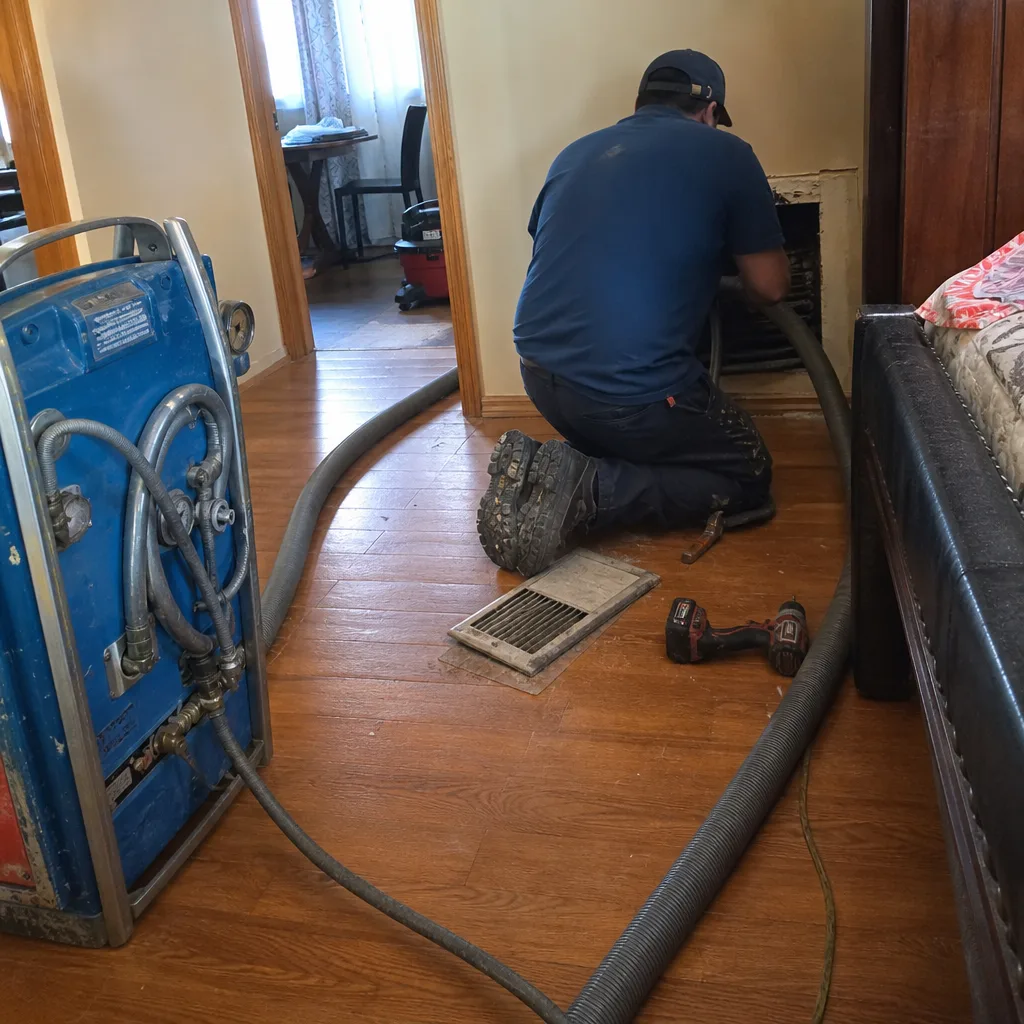 Before
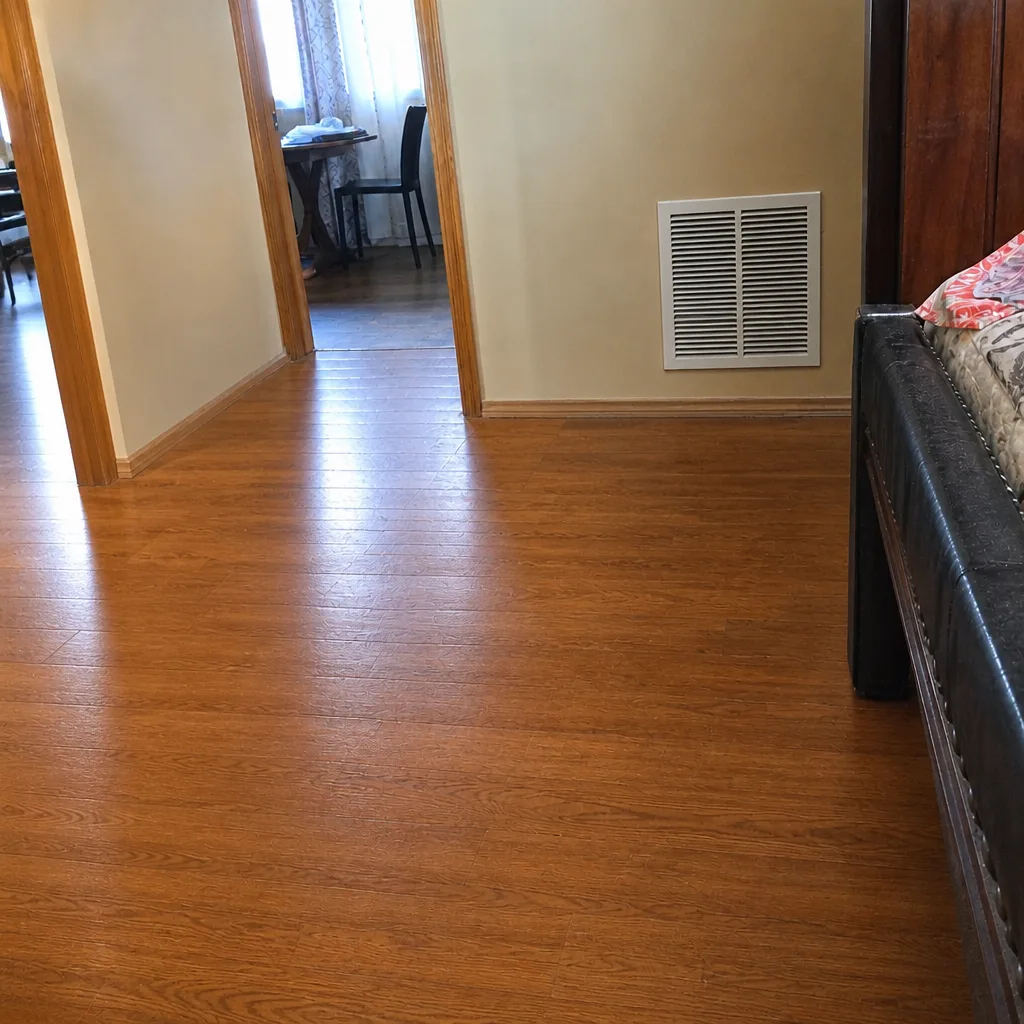 After
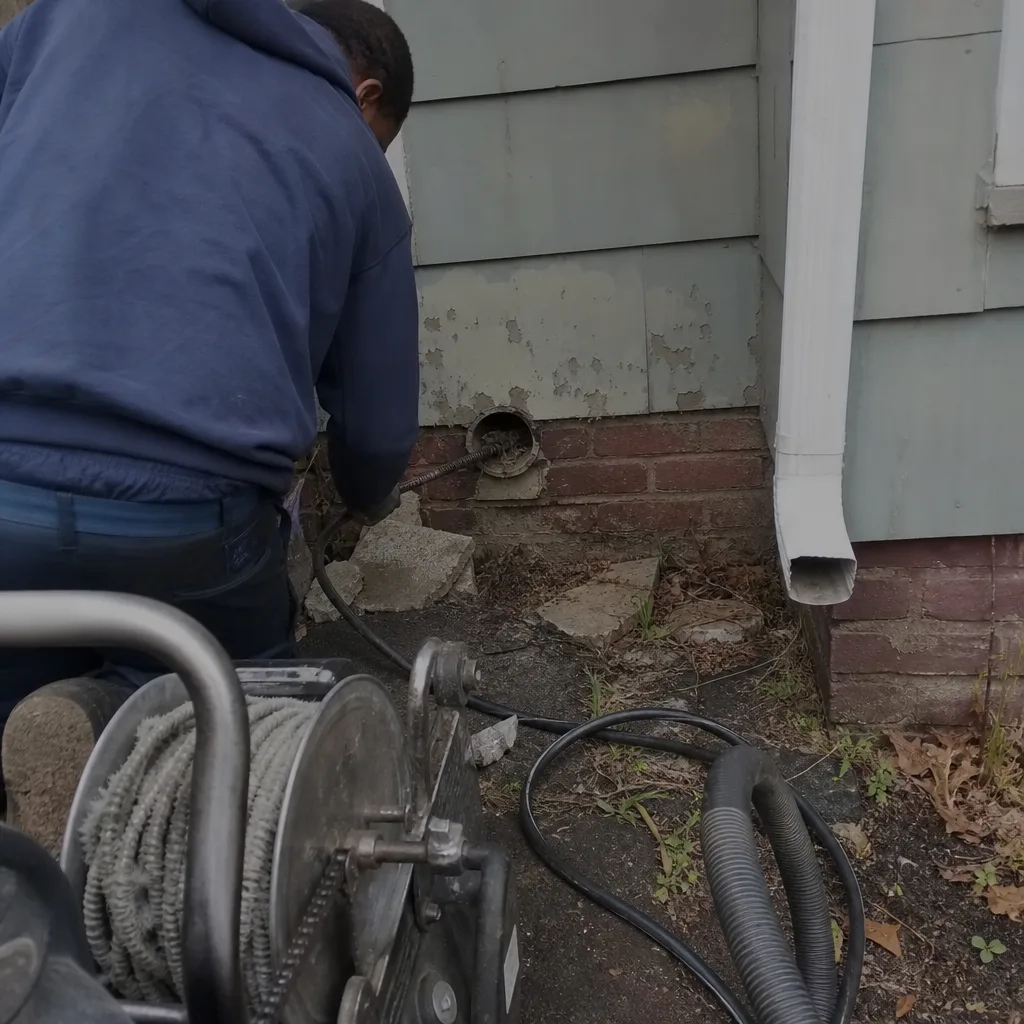 Before
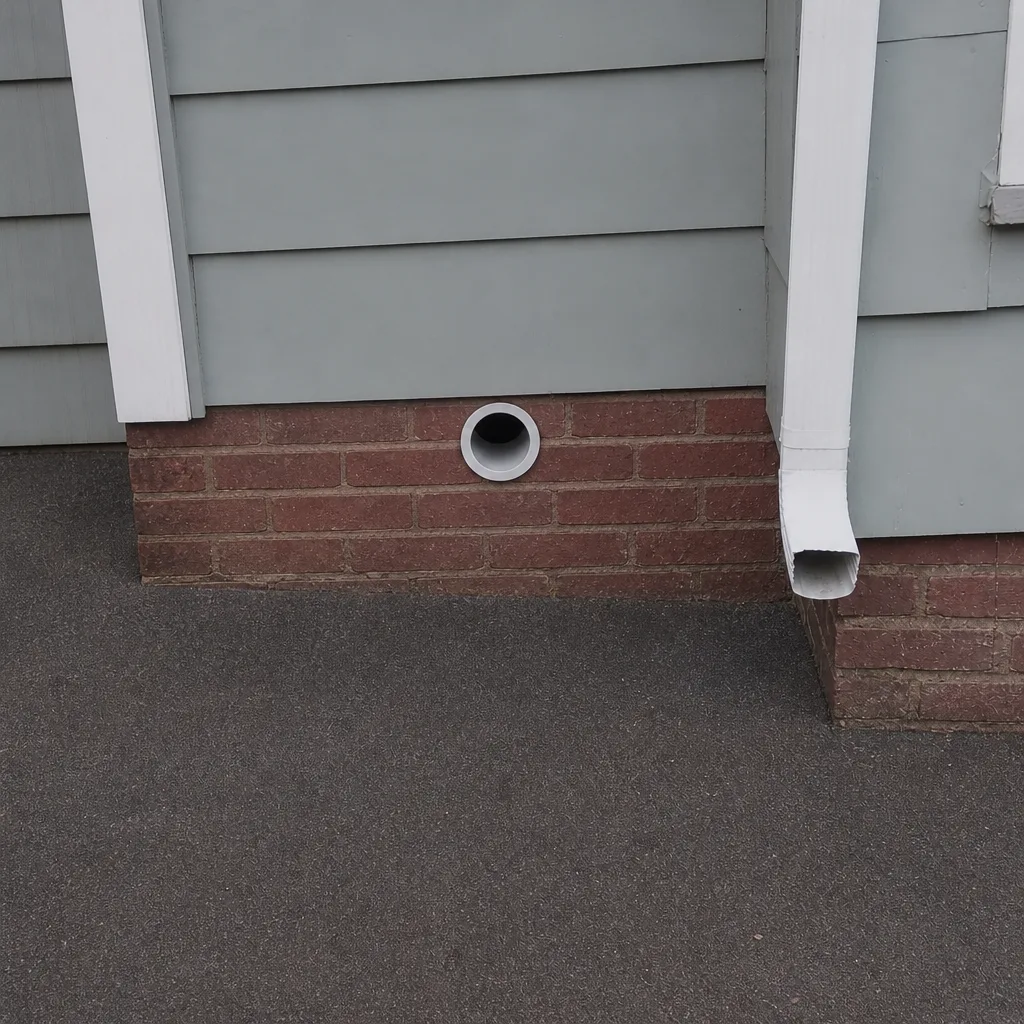 After
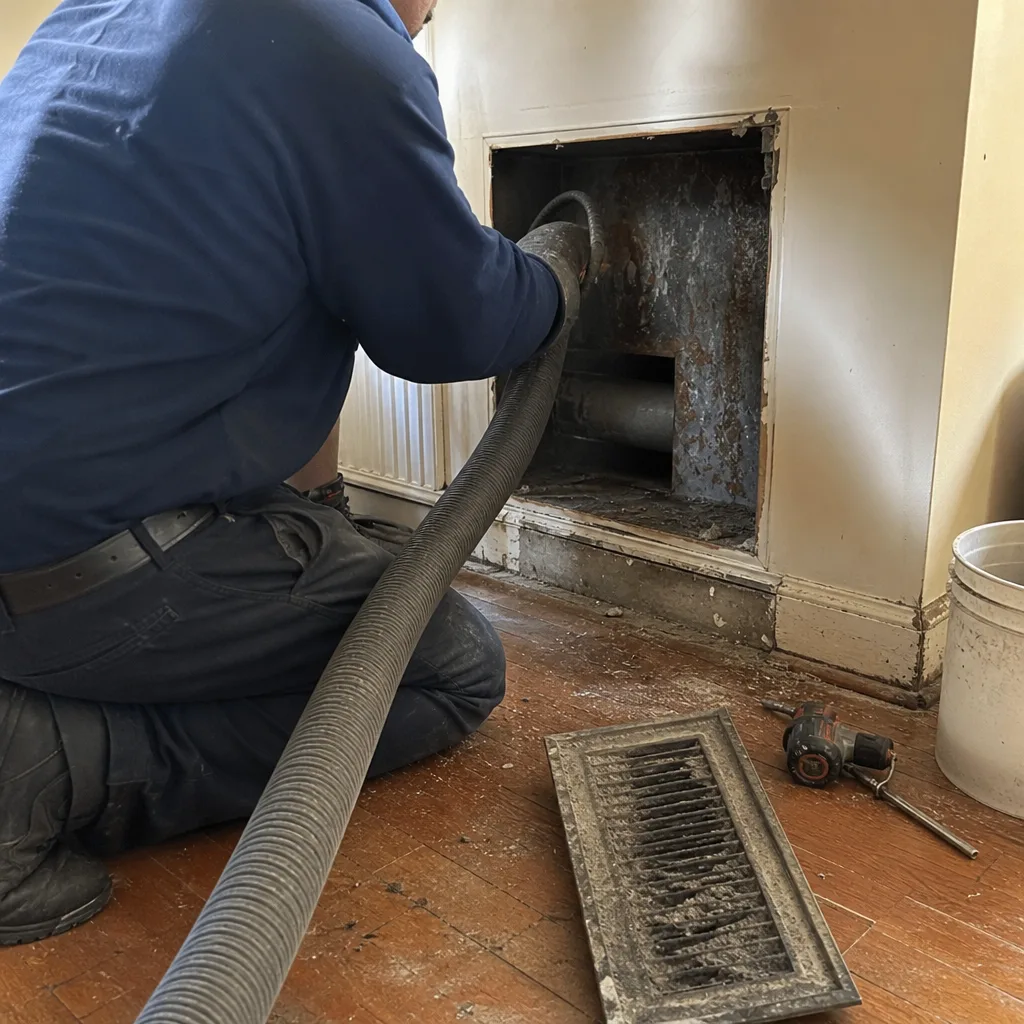 Before
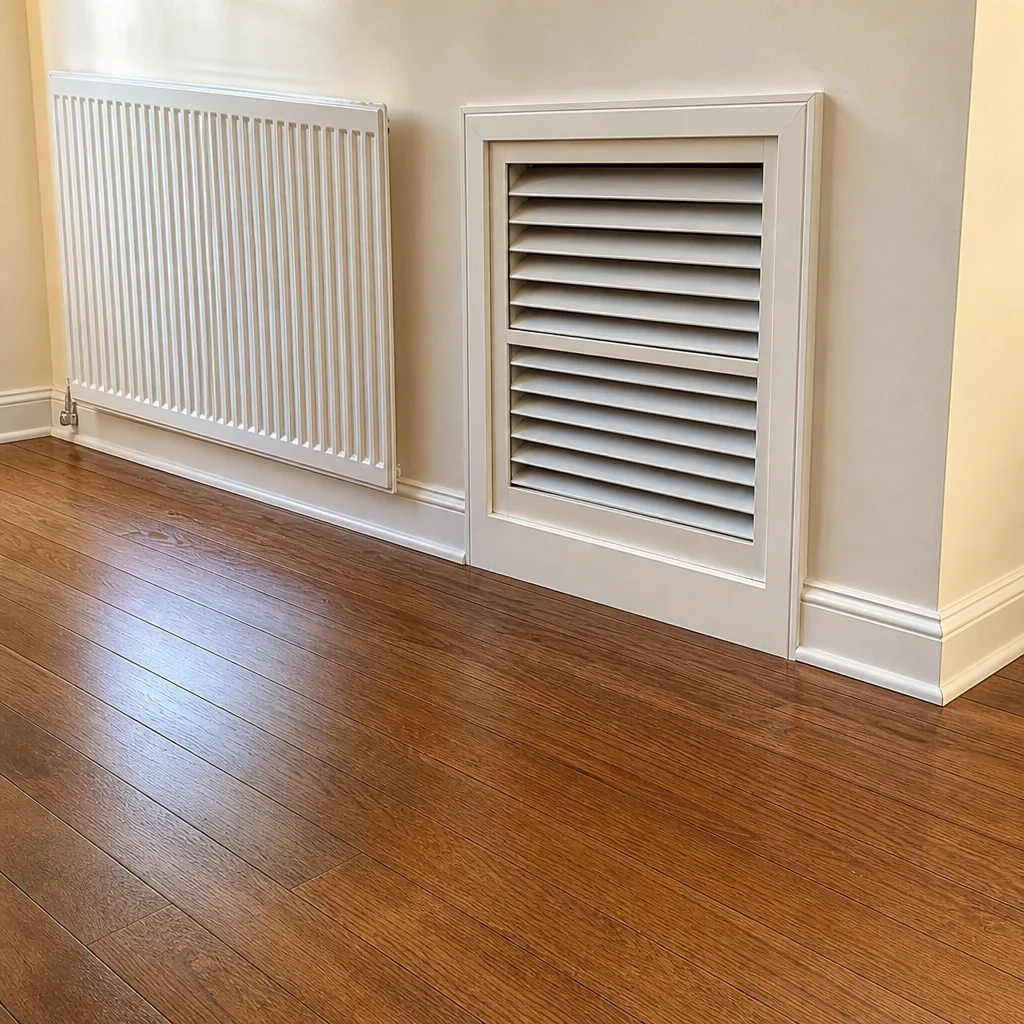 After
Common Mistakes to Avoid
- Buying on the teaser price. A low coupon price is a sales strategy, not a total. Ask for the whole-system flat price before you book anything, and ask what triggers a change to that price once the technician is on site.
- Renting a shop-vac and calling it done. A consumer vacuum can’t generate the pressure to lift debris from trunk lines. You’ll spend an afternoon and still see the same dust on the register covers the next week.
- Skipping the camera inspection. Any professional job should start with a look inside the ducts. If a company arrives and goes straight to the registers without inspection, they’re guessing.
- Cleaning without repairing. If your inspection shows disconnected or crushed duct runs, cleaning first and repairing later just re-contaminates the system. Fix the structure first or during the same visit.
- Ignoring the dryer vent. The dryer vent is the highest fire-risk duct in the house and the one most often forgotten. It needs attention on its own schedule, separate from HVAC duct cleaning.
- Treating duct cleaning as a one-time fix. It isn’t. A cleaning resets the system’s condition; keeping it clean means filters, sealing, and periodic inspection.
- Not asking for photos of your own ducts. Before-and-after footage of your system is the honest proof of work. A company that can’t produce it hasn’t given you a way to verify the job.
When to Call a Professional
There’s a clear line between maintenance and a job that needs equipment you don’t own. If you’ve noticed dust settling on surfaces faster than usual, a musty smell when the system kicks on, visible debris blowing out of a register, or increased allergy symptoms that track with running the HVAC, the ducts are the first thing to check. If your home has been through a renovation, a water event, or a duct run that’s visibly sagging or disconnected, professional evaluation comes before any DIY attempt. Older homes with degraded insulation inside the ductwork should also be inspected before anything disturbs the system.
A duct cleaning company in Jamaica that offers free estimates and can show you camera footage of what’s actually in your ducts gives you a clean basis for a decision. Air Duct Cleaning Jamaica offers free estimates in Jamaica – call (866) 937-8830. We answer 24/7. Fast dispatch from 7am to 7pm, Sunday through Friday. Before any work starts, we agree a flat price per system, and you get before-and-after photos of your own ducts when the job is done.
Frequently Asked Questions
You can clean register covers, accessible plenum surfaces, and the visible ducts behind the registers with a shop-vac, and that’s worth doing. What you cannot do with a shop-vac is achieve the negative pressure and mechanical agitation needed to remove debris from trunk lines and branch ducts. The debris that actually circulates through your home stays where it is. For anything beyond surface maintenance, the equipment matters more than the effort. Call (866) 937-8830 for a free estimate – the answer to what your system needs is in the inspection.
Air duct cleaning pricing is quoted per system, not per vent, because the work is determined by the size and layout of the ductwork rather than the number of register covers. Any company that quotes per vent is setting up a count-based invoice that can grow once work starts. Ask for the flat whole-system price in writing before you book, and ask what would trigger a change to that price. Call (866) 937-8830 for a free estimate – the written quote sets the final price.
Cheap quotes usually buy one of three things: a smaller vacuum that doesn’t reach the trunk line, no containment equipment, or no inspection. The labor and equipment that make a real difference are what get cut. If a quote is substantially lower than others and the company can’t describe the specific equipment and containment process it uses, the price isn’t telling you the whole story. Call (866) 937-8830 for a free estimate that lists what’s actually happening on the job.
Ask for before-and-after camera footage of your own ducts, not a sample or stock photos. A professional job starts with a camera inspection and ends with photographic proof of the condition, delivered to you. Without that, you have no way to verify what happened inside the system. Every job at Air Duct Cleaning Jamaica ends with photos of your own ducts, and we’re happy to walk you through them. Call (866) 937-8830 for a free estimate.
Most homes don’t need duct cleaning on a fixed annual schedule; the trigger is evidence, not a calendar. Visible debris, musty odors, recent renovation, a water event, or a system that’s never been cleaned all suggest an inspection. Homes with heavy shedding pets, recent construction, or occupants with respiratory concerns get checked more often. Filter upkeep and register maintenance carry the interval between cleanings. Call (866) 937-8830 for a free estimate – inspection tells you whether you need it now or in a couple of years.
Jamaica’s housing stock ranges from pre-war homes to newer construction, and that mix changes what’s inside the ductwork. Older homes often have insulation wrapping or interior duct lining that’s aged, which needs inspection before anything disturbs it. Newer builds can have flex duct runs that sag between hangers. Either way, the first step is a camera inspection of the actual system in front of us, not an assumption based on house age or neighborhood. Call (866) 937-8830 for a free estimate and we’ll show you what’s in your ducts.
The Bottom Line
The DIY vs professional question for duct cleaning isn’t really about skill. It comes down to whether consumer-grade equipment can produce the negative pressure and agitation required to lift debris from trunk lines and branch ducts. In most homes, it can’t, no matter how carefully the job is done. What DIY does well is register covers, filter upkeep, plenum surfaces, and dryer vent lint. What it can’t do is source removal, and it can’t leave you with camera footage and a record you can show an inspector, a buyer, or an insurance adjuster.
When the system actually needs attention, hire someone who uses named commercial equipment, contains the dust during the job, and shows you photos of your own ducts afterward. Anything less is a shop-vac with better marketing. Air Duct Cleaning Jamaica is the home of Air Duct Cleaning Jamaica, and we offer the full chain under one roof: cleaning, repair and sealing, air quality products from Honeywell and Aprilaire, and dryer vent clearing when the vent needs it. Our technicians have up to 10 years of experience. Call (866) 937-8830 for a free estimate. We answer 24/7. Fast dispatch from 7am to 7pm, Sunday through Friday.
Written by the team at Air Duct Cleaning Jamaica.