
Last updated November 22, 2026
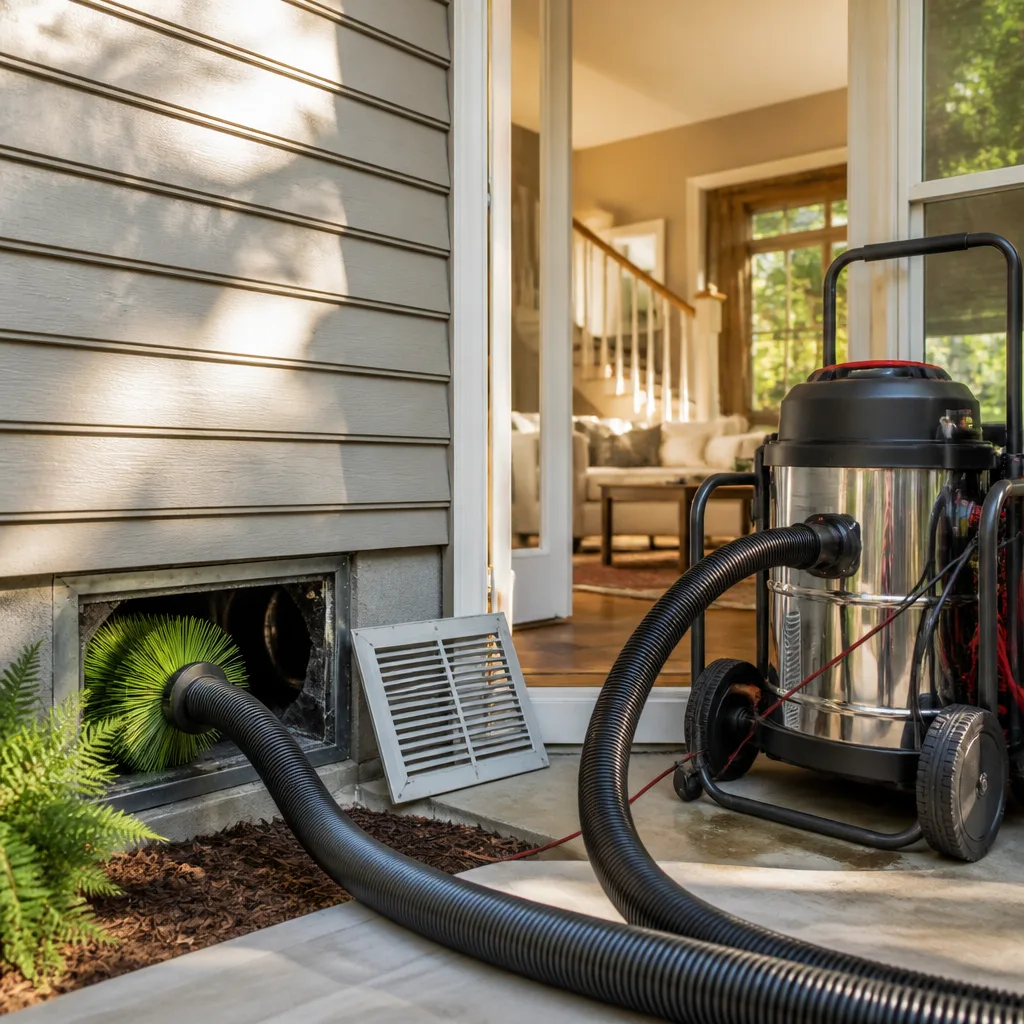 Whole-home duct cleaning
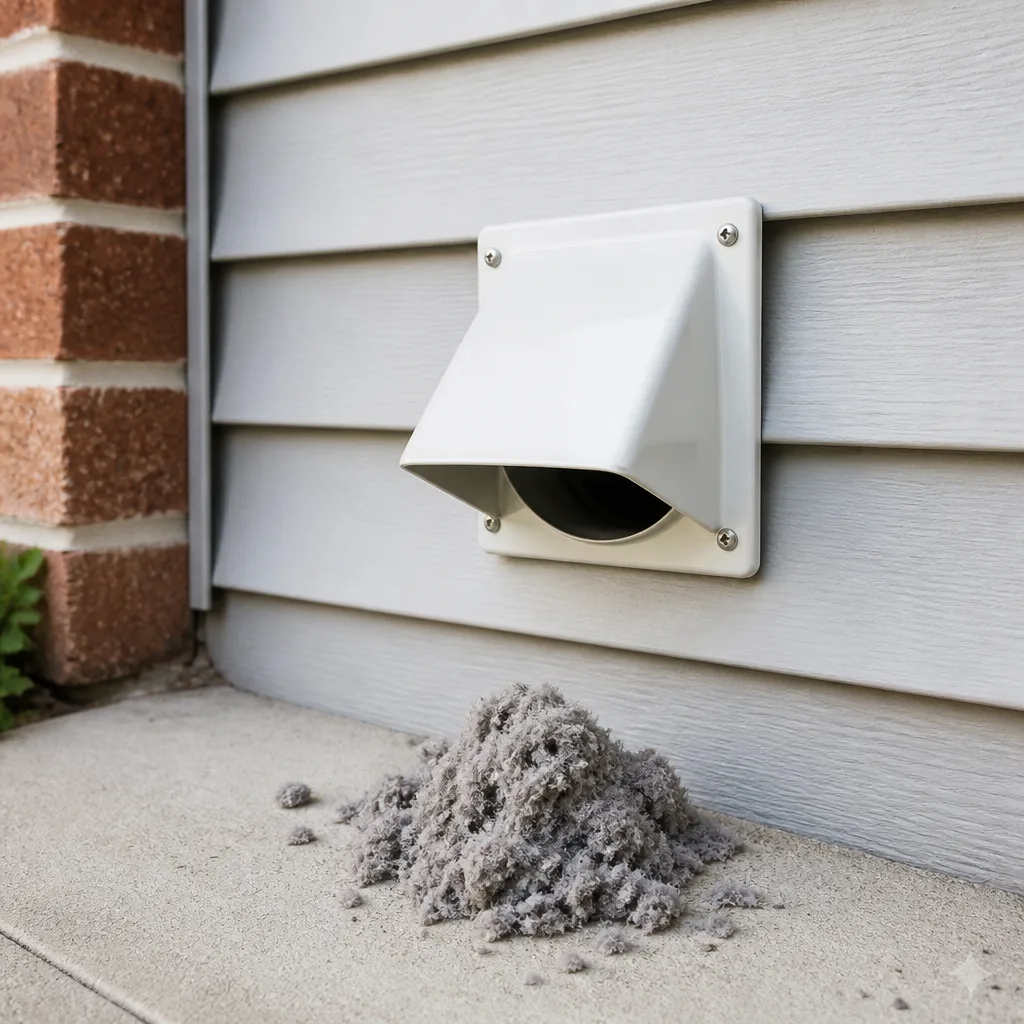 Dryer vent cleaning
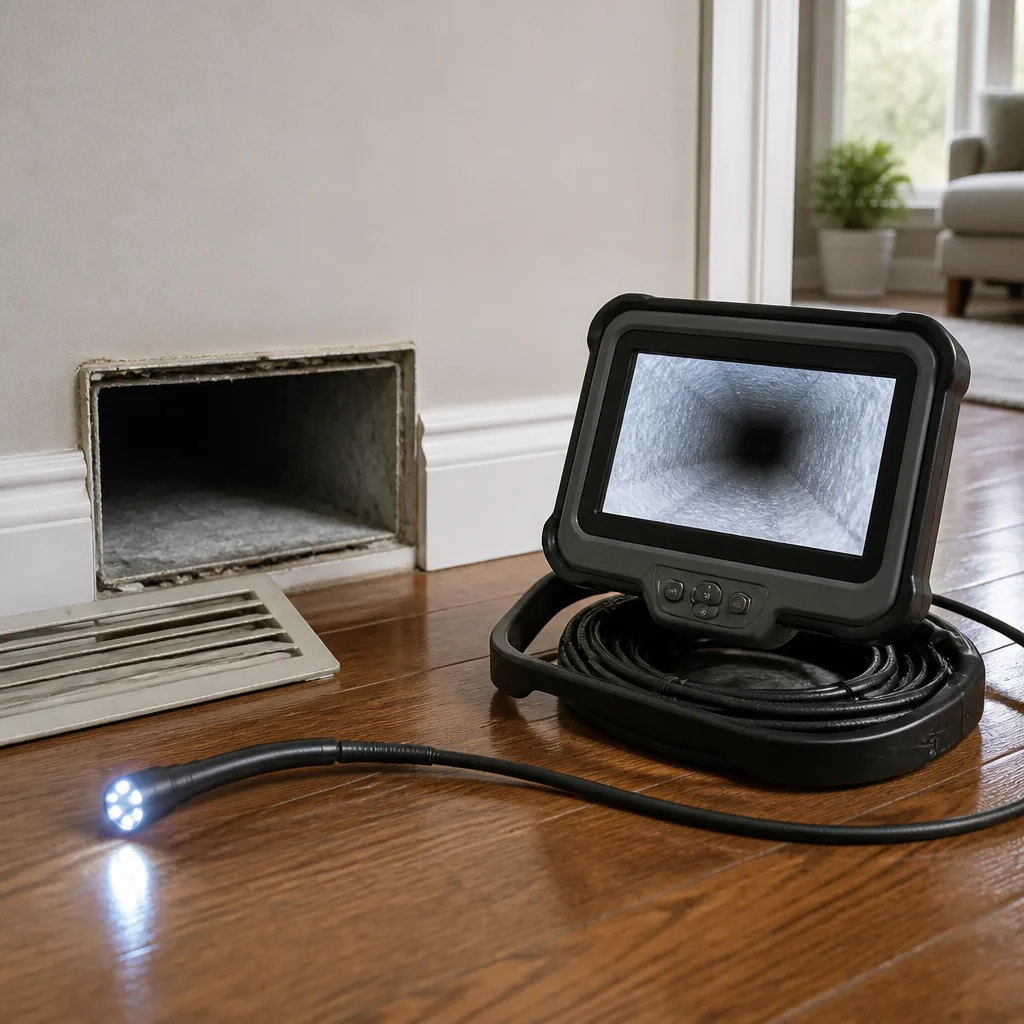 Camera inspection
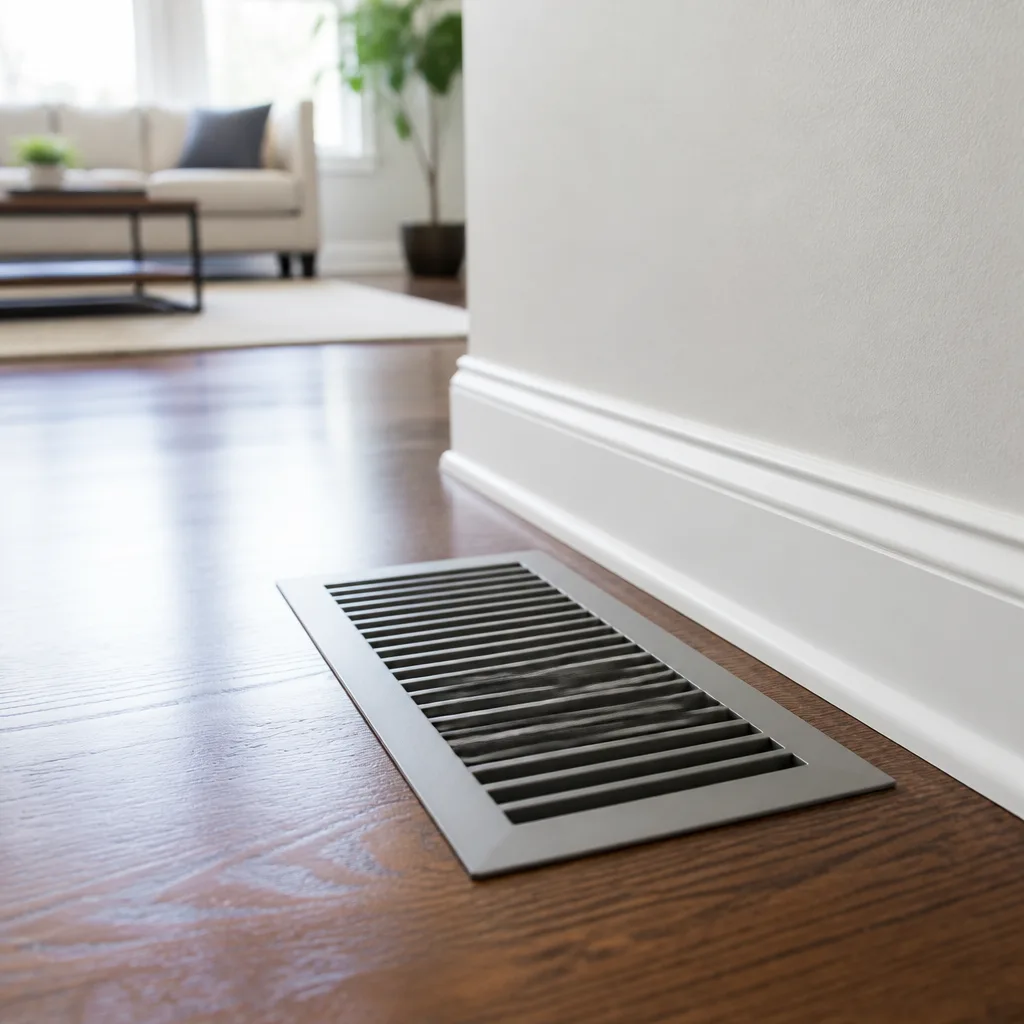 Sanitizing & deodorizing
Whole-system duct and dryer vent check with before-and-after photos - you see exactly what came out of your vents
That "$99 whole-house special" is a bait ad - the real number appears once they are in your hallway, or the "clean" is a shop-vac at the register. We photograph the inside of your ducts before and after instead.
Seasonal Air Duct Cleaning Care for Jamaica: Year-Round Homeowner’s Guide
Spring isn’t the best time to clean your ducts because someone said so. It’s because Jamaica’s tree pollen load, combined with the shutdown of the heating system, creates a predictable accumulation window that a fall-only cleaning schedule completely misses. Most homeowners here still treat duct cleaning as a single annual event, which means they spend every season cleaning up the last season’s problem rather than preventing the next one. This guide maps specific actions to the conditions that actually drive contamination in Jamaica, NY, organized around the four seasons and the two-year rolling schedule that keeps a home ahead of them.
Styles & brands we work with
- Whole-home duct cleaning
- Dryer vent cleaning
- Camera inspection
- Sanitizing & deodorizing
Quick Answer
In Jamaica, duct care should follow the seasons, not an arbitrary calendar date: inspect in spring after heating season ends, monitor filter loading through summer’s continuous AC run, complete a pre-heating checklist in fall, and watch humidity and biological growth risk in winter. A two-year rolling schedule that alternates full source-removal cleanings with interim inspections prevents buildup far better than cleaning once a year or waiting too long between full services.
Table of Contents
- Why Seasonal Duct Care Beats Once-a-Year Cleaning
- Spring: Post-Heating-Season Inspection in Jamaica’s Humid Climate
- Summer: Continuous AC and the Urban Heat Island Effect
- Fall: The Pre-Heating-Season Checklist
- Winter: Sealed Homes, Humidifiers, and Biological Growth Risk
- Building a Two-Year Rolling Schedule
- Why Equipment Quality Changes the Result
- Common Mistakes to Avoid
- When to Call a Professional
- Frequently Asked Questions
Why Seasonal Duct Care Beats Once-a-Year Cleaning
The reason a single annual cleaning fails in Jamaica is simple: the conditions that load a duct system change four times a year, and each one deposits something different. Pollen, fine outdoor particulate, condensation-driven biological growth, and combustion byproducts from the first heating fire don’t all peak on the same date. When you clean once, you’re always addressing the contamination from the season that just ended.
There’s a second problem with once-a-year thinking. A full source-removal cleaning is a bigger job, and doing it every single year is often more than a home needs. Waiting too long between full services is worse, because contamination that settles and bonds to duct walls is harder to remove and can seed the next season’s buildup. The answer sits in between: a schedule that responds to the seasons and spaces full cleanings to match actual accumulation.
Here’s how the four contamination modes line up in a typical Jamaica home:
- Spring: Tree pollen drawn in during the final heating weeks, plus condensation in dormant cooling coils.
- Summer: Recirculated outdoor particulate from continuous air conditioning on hot urban blocks.
- Fall: First-fire odor and combustion byproduct infiltration when the furnace comes back on.
- Winter: Elevated indoor humidity from sealed homes and running humidifiers feeding biological growth.
Treating each of those on its own timetable is what separates a maintained system from a neglected one. The rest of this guide walks through each season, then shows how to stitch them into a rolling schedule. When you’re ready to act on any of it, Air Duct Cleaning Jamaica is the place to start.
Spring: Post-Heating-Season Inspection in Jamaica’s Humid Climate
Spring is the most overlooked inspection window in Jamaica, and it’s the one that matters most. When the heating season ends, the cooling coil has been sitting dormant through months of heating-mode operation. In a humid climate, that coil and the surrounding plenum can collect condensation, and condensation on a coil surface is exactly the condition that supports biological growth by April. The homeowner never sees it because it’s inside the air handler, but the supply registers downstream carry the result all summer.
This is why a spring inspection is so specific to Jamaica rather than to cold-climate towns. A dry, cold winter keeps that coil dry. A humid one doesn’t. The inspection looks at three things:
- The cooling coil and drain pan: look for standing moisture, staining, or a musty smell near the air handler.
- The blower compartment: dust and debris loading on the blower wheel, which reduces airflow and strains the system all summer.
- The return side: whether pollen and fine debris have built up at the return grille and the first few feet of return duct.
Spring is also when whole-home pollen peaks. Jamaica’s street trees and the surrounding Queens tree canopy release pollen that gets pulled into the return every time the system cycles. A light spring inspection tells you whether that pollen load needs a full cleaning or just a filter change and grille wipe-down. Most homes fall into one category or the other, and knowing which saves you money. If the return side has visible buildup, that’s the trigger for a full air duct cleaning rather than a spot treatment.
What to check as a homeowner before calling anyone:
- Any musty smell when the AC first turns on.
- Visible dust trails at supply registers.
- Water staining around the air handler or drain line.
- A filter that loads faster than it used to.
Any of those, after a humid heating season in Jamaica, is worth a professional look.
Summer: Continuous AC and the Urban Heat Island Effect
Summer in Jamaica means the air conditioner runs almost continuously, and that changes how fast your ducts load up. Urban neighborhoods here hold heat, so the system cycles less and runs longer. Every hour of runtime pulls outdoor particulate through the return and recirculates it through the supply registers. The particulate load is real: fine road dust, pollen that hasn’t settled, and the general airborne grit of a dense residential borough.
Manufacturers’ filter-change schedules are written for average conditions, not for an urban heat island running the AC around the clock. In a Jamaica home, a filter that the box says will last three months can load in six weeks during a hot July. A loaded filter does two bad things at once: it starves the system of airflow, and it stops capturing particulate, so the dust that would have caught on the filter gets pushed into the ducts and the supply registers instead.
A practical summer routine:
- Check the filter every four to six weeks during peak cooling, not every three months. Hold it up to a light; if you can’t see through it, replace it.
- Watch the supply registers for dust trails or a gray film on the grille face. That’s recirculated particulate depositing at the outlet.
- Note any rooms that cool unevenly. A duct that’s partly blocked by debris or leaking at a joint shows up as a room that never quite gets comfortable.
Summer is not usually the time for a full cleaning; it’s the time for monitoring and filter discipline. But if the supply registers are visibly loading, a mid-season evaluation tells you whether the recirculation is beating your filter strategy. That evaluation is also when duct leakage tends to surface, because a leaking duct in cooling mode pulls hot attic or crawlspace air into the system and shows up as a room that stays warm. Leakage is a repair problem, not a cleaning one, which is why we handle sealing as a separate service rather than assuming a cleaning fixes it.
Fall: The Pre-Heating-Season Checklist
Fall is the single most important checkpoint on the Jamaica duct calendar, and it’s the one a spring-only schedule misses entirely. When the furnace comes back on for the first cold snap, everything that settled in the ducts over the summer gets heated, and the first-fire smell carries it into the living space. Worse, a heat exchanger with a developing crack can let combustion byproducts into the airstream, and that’s a safety issue, not a comfort one.
The pre-heating checklist has three parts, and the first one is not a cleaning task at all:
- Heat exchanger inspection. Have the heat exchanger checked for cracks, corrosion, or blockage before the first cold snap. A compromised heat exchanger can release carbon monoxide into the duct system, and that is a job for a trained technician, not a homeowner with a flashlight.
- Blower compartment cleaning. The blower wheel collects dust all summer. A loaded wheel reduces airflow, and reduced airflow is what makes a furnace run hot and inefficient all winter.
- Duct leakage check. Gaps at joints, disconnected runs, and failed seals let heated air escape into unconditioned space and pull cold, dirty air back in. Sealing those gaps is what makes a fall cleaning hold.
This is also where the full-service difference shows. Cleaning alone doesn’t fix a leaky duct, and a leaky duct defeats a cleaning within a season. Our HVAC cleaning covers the air handler and blower side so the whole system is addressed, and our duct repair and sealing service closes the gaps that cleaning can’t. If your fall checklist turns up leakage, that’s a repair, and it’s better caught in October than in the middle of a January cold snap.
A quick note on safety: anything involving the heat exchanger, gas lines, or combustion should be handled by a trained professional. We don’t walk homeowners through opening a heat exchanger, and we’d advise against anyone who does.
Winter: Sealed Homes, Humidifiers, and Biological Growth Risk
Winter is when a Jamaica home becomes its most sealed. Windows stay shut, the heating system runs, and many households add a humidifier to counter dry indoor air. That combination creates the duct system’s highest biological growth risk of the year, and it’s the season most homeowners monitor least.
The mechanism is straightforward. A sealed home traps moisture. A running humidifier adds more. Warm, moist air moving through a duct system that cools at the supply runs can condense on cooler surfaces, and condensation is the condition biological growth needs. The growth doesn’t announce itself with a visible stain; it shows up first as a musty smell when the heat kicks on, or as a family member whose allergies get worse only in the winter months.
Monitoring steps that are worth the effort between cleanings:
- Watch indoor humidity. If the house feels clammy or windows are sweating on cold mornings, the humidifier is overdoing it. A home that stays too damp feeds growth in the ducts.
- Smell the supply registers on a cold morning. A musty or earthy smell carried on the first heat is the earliest signal.
- Keep filters current. A loaded filter in winter doesn’t just starve airflow; it gives particulate a place to sit while humidity does its work.
- Note recurring symptoms. Congestion or irritation that tracks with the heating season is worth mentioning when you call.
Winter isn’t usually a full-cleaning month. It’s a monitoring month, and the findings feed the spring inspection. If the musty smell is consistent, though, that’s the trigger for a sanitizing service alongside a cleaning. Our air quality and sanitizing category uses Guardsman-backed protection products to treat surfaces after source removal, which addresses the growth a cleaning dislodges. The point is that winter risk is managed by watching, not by guessing.
Building a Two-Year Rolling Schedule
A two-year rolling schedule is how you stop over-cleaning in a year that doesn’t need it and stop waiting too long in a year that does. The idea is simple: alternate a full source-removal cleaning with a lighter interim year, and let the seasonal inspections decide when a full cleaning is actually due.
Here’s how it works across a two-year cycle:
- Year one, spring: light inspection of the return side, cooling coil, and blower. If buildup is minor, clean the accessible components and change the filter.
- Year one, fall: pre-heating checklist (heat exchanger, blower, leakage). Seal any gaps found.
- Year one, winter: monitor humidity and register smells. No full service unless the smell persists.
- Year two, spring: full source-removal cleaning of the supply and return system, with sanitizing if the winter monitoring turned up growth.
- Year two, fall: pre-heating checklist again, plus a leakage re-check to confirm the seals from year one are holding.
- Year two, winter: monitor again; the cycle repeats.
That schedule means a typical Jamaica home gets a full cleaning every other year, with meaningful inspections in the off years. It also means the off years aren’t wasted: they’re the years when you catch a leak or a coil problem before it becomes a bigger job. A home with pets, a recent renovation, or a family member with allergies may need a full cleaning every year; a lightly used home may stretch the interval. The inspections are what tell you which you are, rather than a fixed rule.
Two other schedules belong inside the rolling cycle: filter changes (four to six weeks in summer, every two to three months otherwise) and dryer vent cleaning, which is a separate system with its own buildup pattern and its own fire risk. We handle both, so the schedule lives in one place instead of with three different contractors.
Why Equipment Quality Changes the Result
The cleaning you get is only as good as the equipment used to do it, and that’s the difference between a real source-removal job and a surface pass. A generalist with a shop vac can knock dust off the visible grille, but the contamination that feeds back into the air is bonded to duct walls and sitting in the plenum. Removing it takes commercial-grade equipment, and that equipment is what separates a cleaning that lasts from one that doesn’t.
What we bring into a Jamaica home:
- Rotobrush rotary brush system for mechanical agitation. The brush scours the duct wall and loosens bonded debris, which is the same approach commercial HVAC contractors use.
- Nikro HVAC vacuum systems for high-CFM negative-pressure extraction. The vacuum pulls the loosened debris out of the system instead of letting it settle back down.
- Abatement Technologies air filtration on site, so dislodged contaminants stay contained in the work area rather than re-entering the living space while we work.
Containing contaminants is the part most homeowners don’t think to ask about, and it’s the part that matters if anyone in the home has allergies. A cleaning that agitates a season’s worth of buildup without containment just moves the problem into the air for a few hours. Negative pressure and filtration keep it in the work area.
The equipment advantage extends past cleaning. As an authorized supplier and installer of Honeywell and Aprilaire whole-home air quality products, we can address filtration and humidity at the source rather than just cleaning up after them. That’s the “from first cleaning to long-term air quality” part of what we do, and it’s what turns a seasonal schedule into a system that stays clean between visits.
Common Mistakes to Avoid
- Cleaning once a year on the same date. A single annual cleaning in Jamaica always addresses last season’s contamination; it never gets ahead of the next season’s. Match the schedule to the conditions, not the calendar.
- Skipping the fall pre-heating checklist. The first-fire odor and combustion byproduct risk are real, and they’re caught before the first cold snap, not after. A heat exchanger check belongs in every fall routine.
- Treating a leaky duct with a cleaning. Cleaning a duct system with gaps at the joints is wasted money; the leaks pull dirty air back in within a season. Seal first, then clean.
- Using a generalist with consumer-grade equipment. A shop vac setup agitates debris without containing it, and the fine particulate it dislodges ends up in the living space. Ask what equipment will be used before you book.
- Trusting a low coupon price. A teaser price that grows into a much larger invoice once the technician is on site is the industry’s main bait-and-switch. Ask for one flat price per system, agreed before work starts.
- Ignoring winter humidity. A sealed home with a running humidifier in Jamaica’s climate is the highest biological growth risk of the year, and it’s the season most homeowners monitor least. Watch humidity and register smells.
- Letting filters load past the point of capture. A filter that’s given up doesn’t just starve airflow; it pushes particulate into the ducts. Check it more often in summer, not less.
When to Call a Professional
Some seasonal checks are yours to do; others belong to a trained technician. Call a professional when you smell a musty or earthy odor from the supply registers that doesn’t clear after a filter change, when you see visible buildup at the return grille or supply registers, when a room cools or heats unevenly and you suspect a duct leak, when you have water staining near the air handler, or when anyone in the home has allergy symptoms that track with the heating or cooling season. A heat exchanger concern is always a professional call, never a homeowner project.
Air Duct Cleaning Jamaica offers free estimates in Jamaica. Call (866) 937-8830. We answer 24/7. Fast dispatch from 7am to 7pm, Sunday through Friday.
Frequently Asked Questions
Most Jamaica homes do well on a full cleaning every other year, with inspections in the off years, rather than once a year on a fixed date. Homes with pets, recent renovations, or allergy concerns may need a full cleaning every year. The seasonal inspections are what tell you which interval fits your home.
Spring is the window right after heating season, when a dormant cooling coil in a humid climate has had months to collect condensation and the return side has taken the whole pollen load. A spring inspection catches those two problems before the AC runs all summer. Fall handles the different job of pre-heating checks and leakage.
Pricing is per system, by written estimate, because the cost depends on the size of the system, the number of runs, and whether repair or sealing is needed. We don’t quote per-vent prices, and we don’t use teaser coupon figures that grow once a technician is on site. Call (866) 937-8830 for a free estimate, and the written estimate sets the final price.
Cheaper quotes usually mean consumer-grade equipment, per-vent pricing that grows once work starts, or a surface pass that doesn’t remove bonded debris. Our work uses commercial-grade Rotobrush and Nikro equipment with Abatement Technologies filtration to contain contaminants, and we agree one flat price per system before work begins.
Ask for before-and-after photos of your own ducts, taken during the job. Photos are the one record you can check yourself, and any contractor doing a real source-removal cleaning should be able to provide them. We take them on every job.
Yes. Jamaica’s winters seal the house, and a running humidifier adds moisture, which creates the year’s highest biological growth risk in the ducts. Winter care is mostly monitoring: watch indoor humidity, smell the supply registers on cold mornings, and keep filters current. A persistent musty smell is the signal for a sanitizing service.
The Bottom Line
Duct care in Jamaica works best when it follows the seasons instead of a single annual date. Inspect in spring after heating season ends and the humid coil has had its dormant months. Monitor filters and supply registers through summer’s continuous AC run. Complete the pre-heating checklist in fall, including the heat exchanger and duct leakage check that cleaning alone can’t fix. Watch humidity and register smells through winter. Space full cleanings on a two-year rolling schedule, and let the inspections tell you when a full service is actually due. The right equipment, containment, and a flat price agreed up front are what make the result hold. Call (866) 937-8830 for a free estimate.
Written by the team at Air Duct Cleaning Jamaica.
See the difference
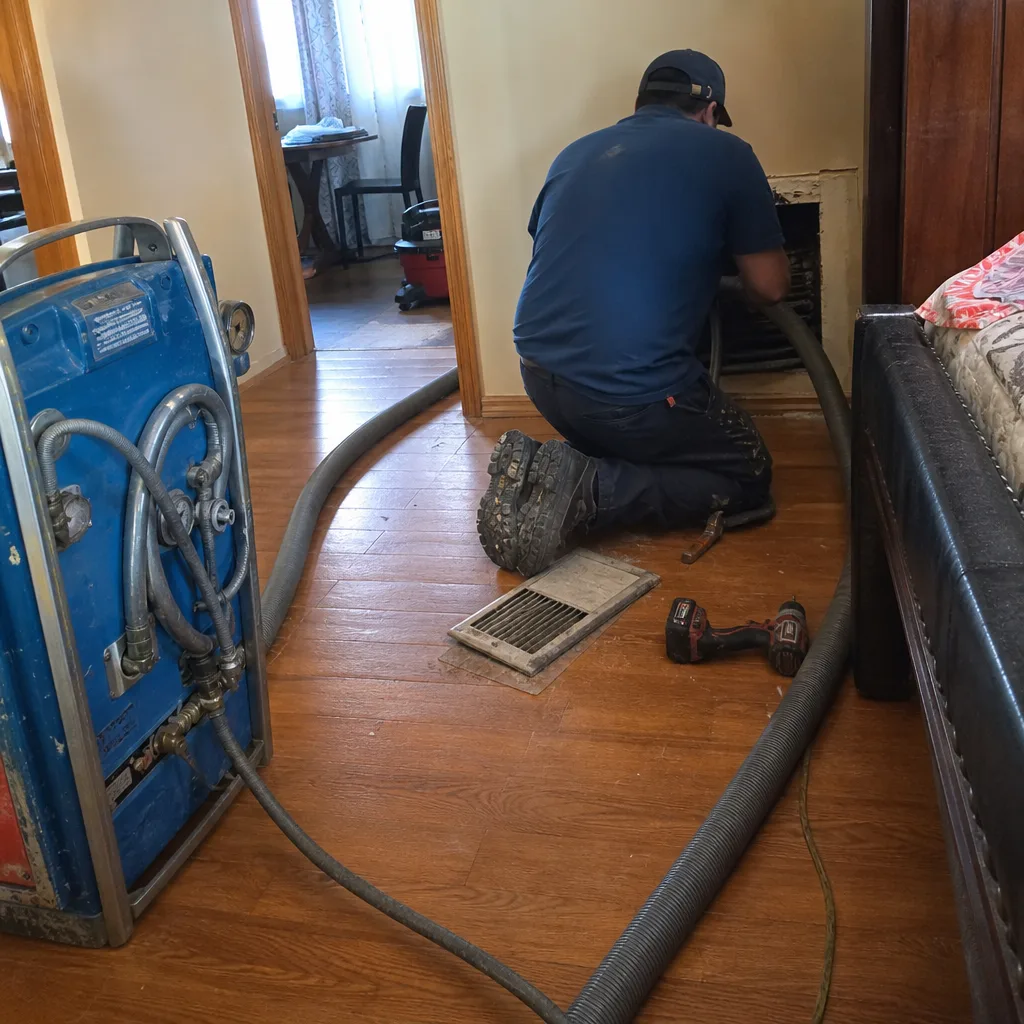 Before
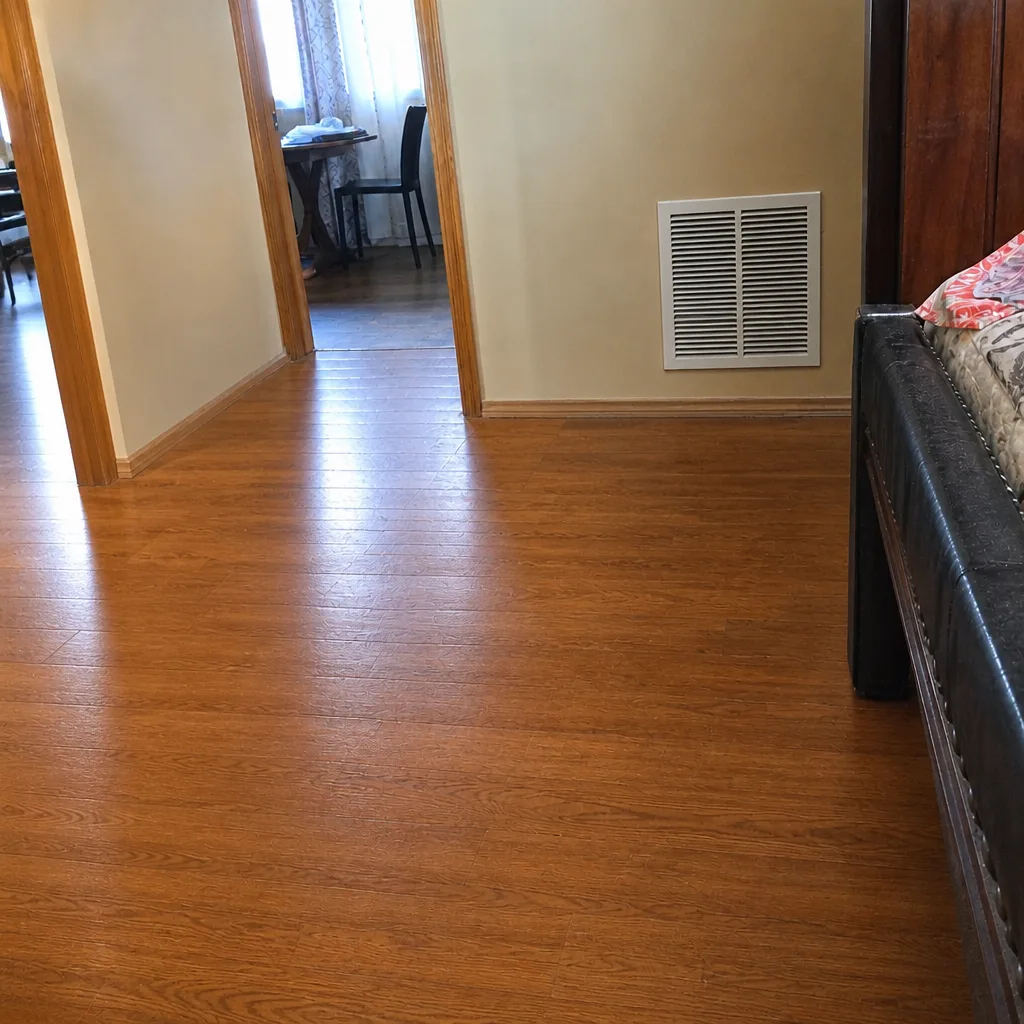 After
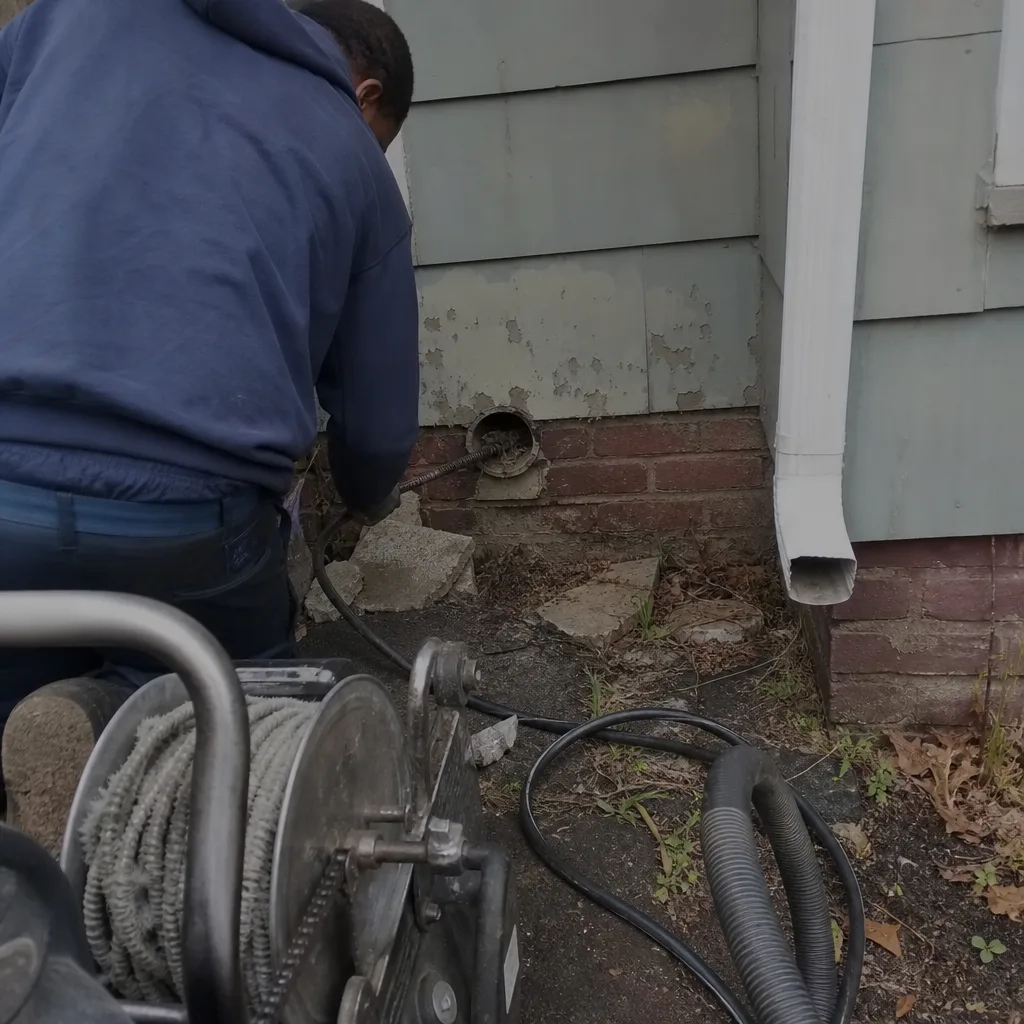 Before
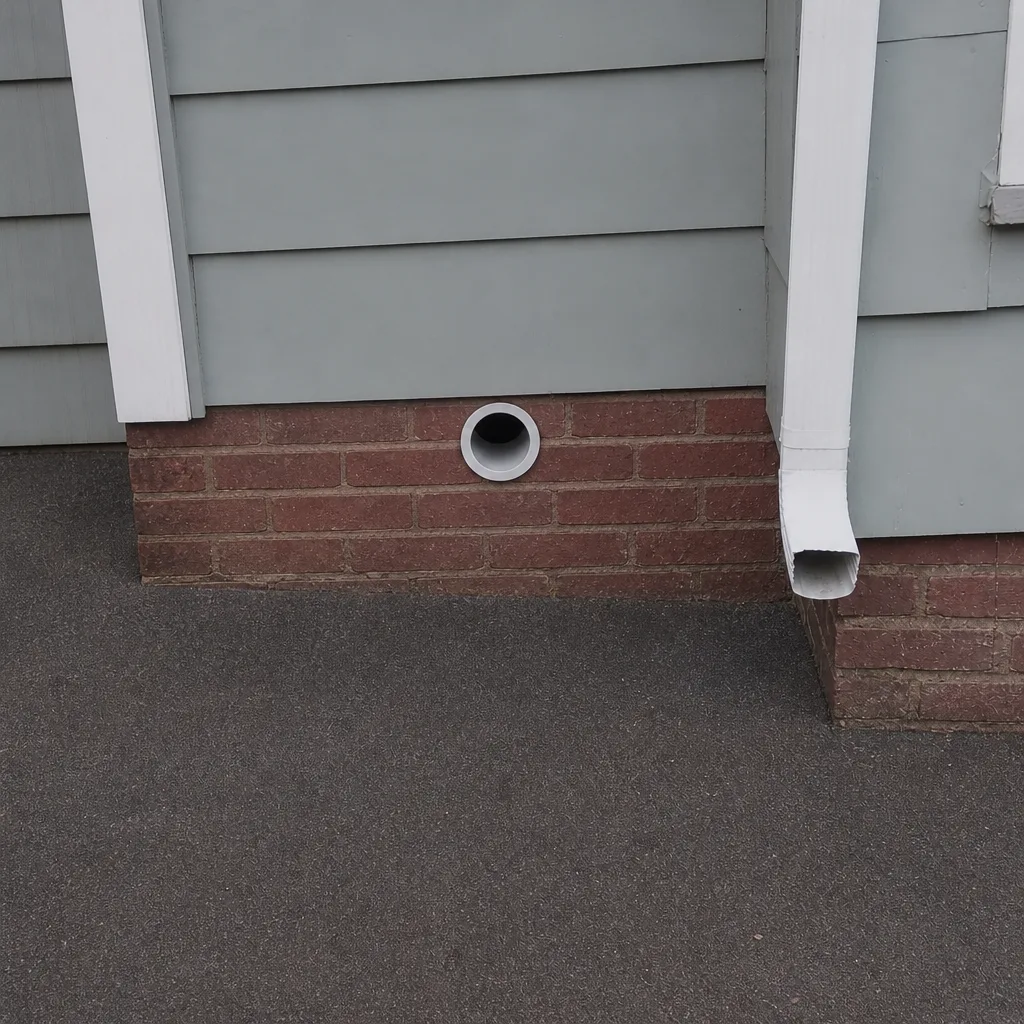 After
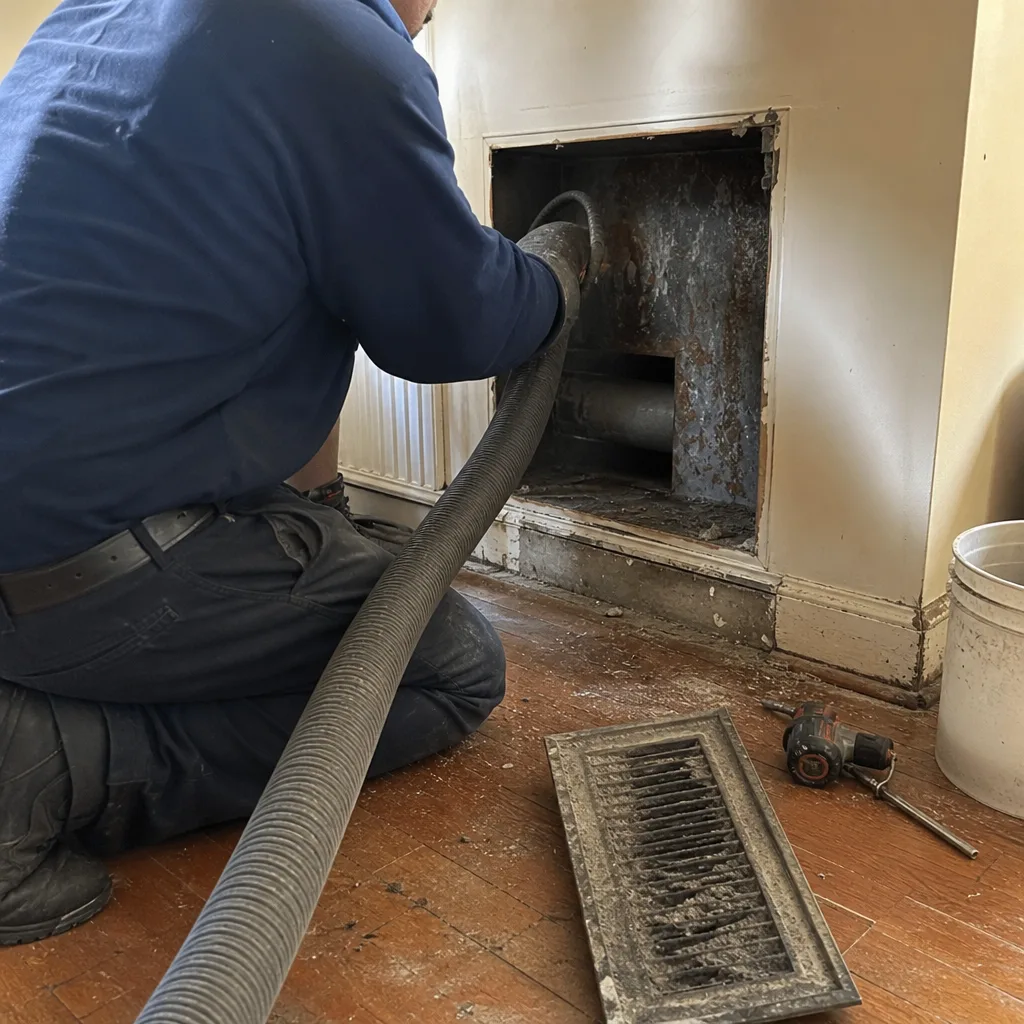 Before
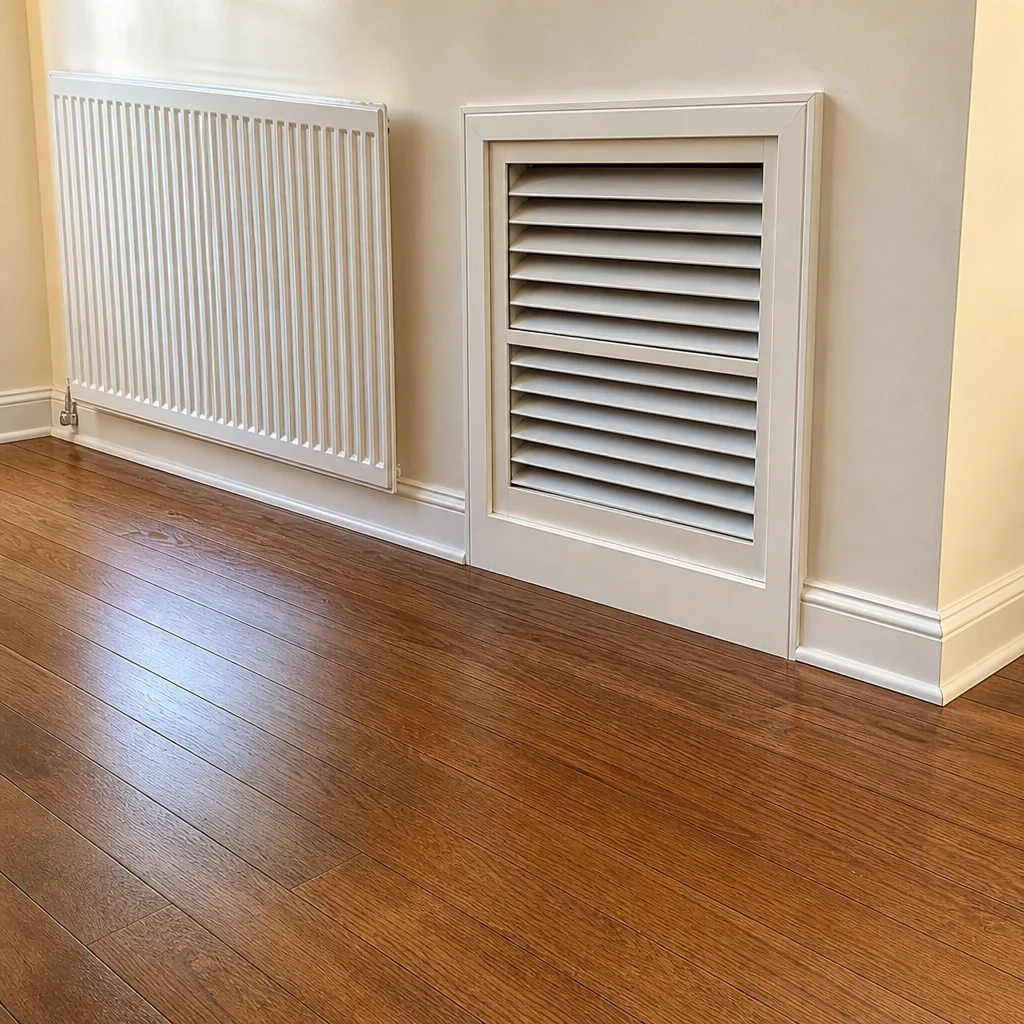 After