
Last updated November 22, 2026
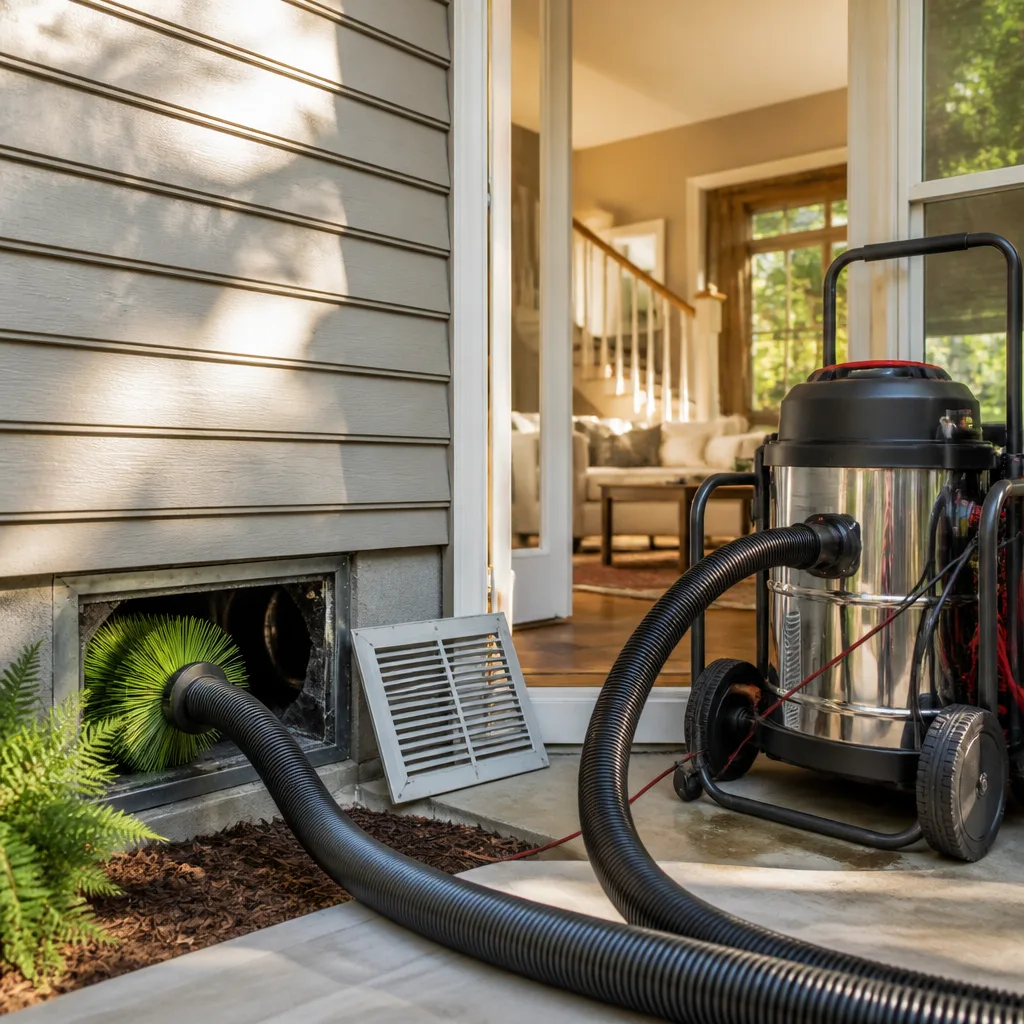 Whole-home duct cleaning
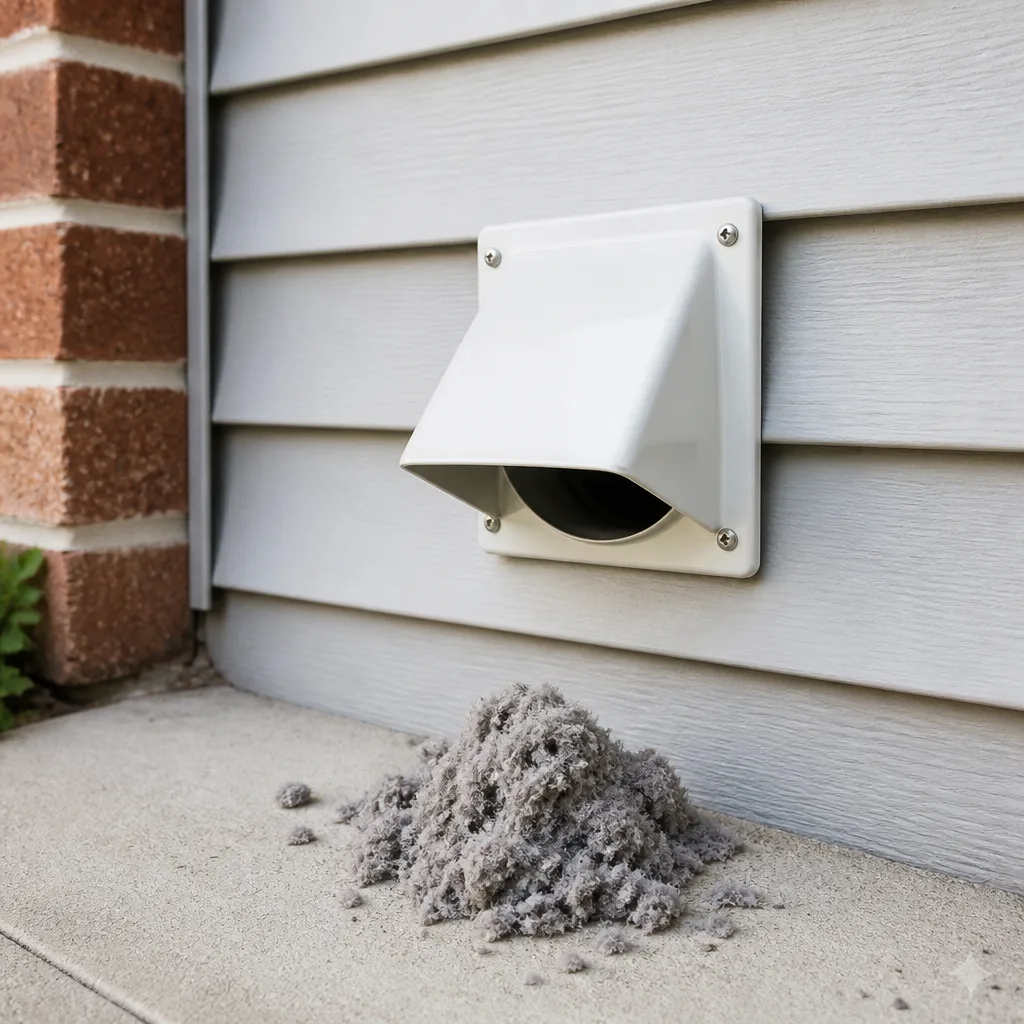 Dryer vent cleaning
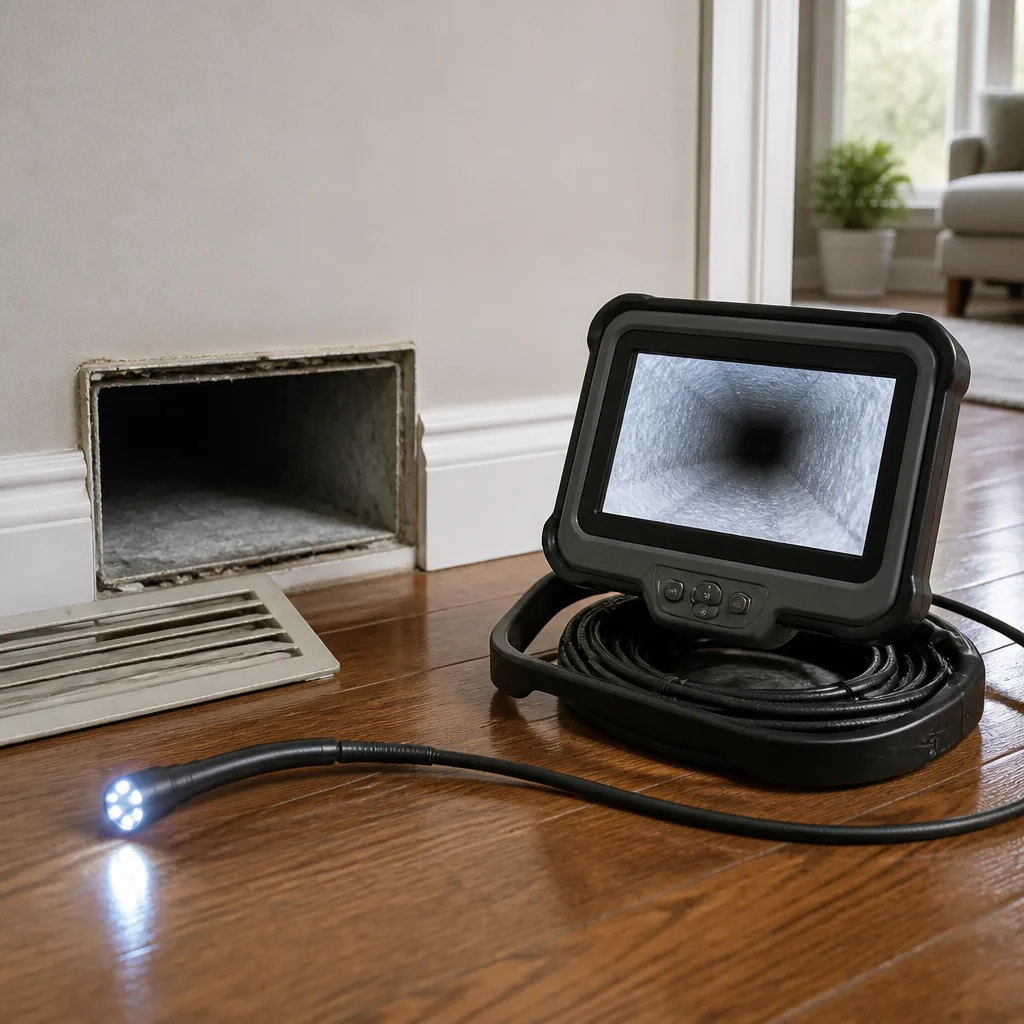 Camera inspection
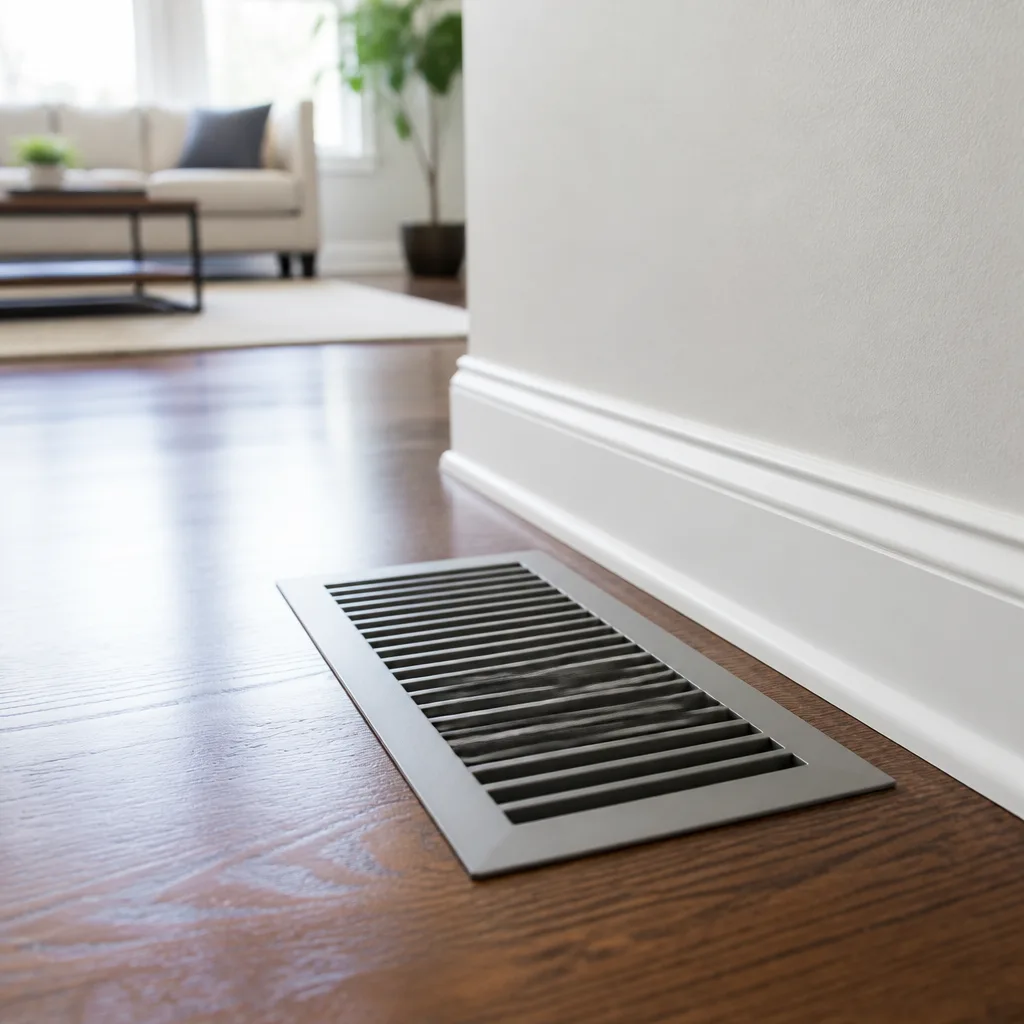 Sanitizing & deodorizing
Whole-system duct and dryer vent check with before-and-after photos - you see exactly what came out of your vents
That "$99 whole-house special" is a bait ad - the real number appears once they are in your hallway, or the "clean" is a shop-vac at the register. We photograph the inside of your ducts before and after instead.
Air Duct Cleaning Emergency Preparedness Guide for Jamaica Homes
After a basement flood in Jamaica, most homeowners call a water damage crew. What almost no one tells them is that their HVAC system likely circulated contaminated air through every room in the house before anyone noticed the water. The blower keeps running until someone shuts it off at the thermostat or breaker, pulling damp air, dust, and whatever the floodwater carried through the supply trunks into bedrooms and kitchens. This guide covers what to do with your duct system in the first hours and days after an emergency: flood, smoke infiltration from a neighboring unit, renovation debris, or a heat-driven HVAC failure. You’ll learn the shutdown sequence, when cleaning is enough versus when replacement is unavoidable, and how to document damage so an insurer or co-op board takes it seriously.
Quick Answer
In a duct emergency, the first move is always to stop airflow: shut the system off at the thermostat, and at the breaker if there’s any chance water reached the air handler. Contaminants spread through every connected duct within minutes of the blower starting, so shut down first, document second, and call a cleaning and inspection professional third. Whether your Jamaica ductwork then needs cleaning, sealing, or partial replacement depends on how wet or smoke-saturated the duct materials became, not on how the system looks from the outside.
Styles & brands we work with
- Whole-home duct cleaning
- Dryer vent cleaning
- Camera inspection
- Sanitizing & deodorizing
Table of Contents
- Post-Flood Protocol: Why HVAC Shutdown Comes First
- Smoke and Fire Damage From Neighboring Units
- Post-Renovation Debris and Open Access Panels
- Extreme Heat Events and HVAC Failure
- The Contamination Timeline in Wet Ductwork
- Documentation and Insurance: Building Your Record
- Why Equipment Choice Decides the Outcome
- Common Mistakes to Avoid
Post-Flood Protocol: Why HVAC Shutdown Comes First
Water in a basement or utility closet is an HVAC emergency the moment it reaches the air handler, the return plenum, or the duct runs themselves. In many Jamaica homes the mechanical equipment sits low, and a sump backup or heavy storm can put standing water against the equipment before anyone smells it. The system doesn’t announce the problem; it just keeps moving air.
The shutdown order matters. Follow it in sequence:
- Turn the system off at the thermostat first, so no heating or cooling call can trigger the blower.
- Cut power at the breaker serving the air handler or furnace. If water is anywhere near electrical components, do not touch the equipment or stand in standing water while reaching for a panel. Call an electrician.
- Photograph the water line on the equipment, the ducts, and the surrounding floor before anyone extracts anything.
- Start water extraction and drying.
- Have the duct system inspected and, if wet, cleaned and dried before the system runs again.
That sequence sounds obvious written down. In practice most flood responses start at step four, which is why flooded ductwork so often becomes a long-term problem: the water gets dried out of the room but not out of the ducts. Calling a company that handles air duct cleaning as part of the response, not weeks afterward, keeps the contamination from setting into porous duct materials.
Water that sat inside galvanized metal ductwork for a short time and dried thoroughly can often be cleaned and sanitized. Flexible duct, duct board, and any lined material that absorbed water are a different story; once soaked, those materials are difficult to dry completely and are usually replaced rather than cleaned. That distinction is the single biggest factor in what a post-flood duct job actually involves, and no one can make it honestly over the phone.
Smoke and Fire Damage From Neighboring Units
Jamaica has a lot of attached and semi-attached housing, and that changes how smoke behaves. A fire in an adjoining unit pushes smoke through shared wall cavities, ceiling voids, and any duct penetration between units. Your own HVAC system can then draw that smoke into your living space even though nothing burned in your home. Homeowners often describe it as a persistent acrid smell that returns every time the heat or AC runs.
What matters for the ducts comes down to two very different problems:
- Surface deposition. Smoke particles settle on the interior walls of metal ductwork. This is cleanable, and it’s the more common outcome when the system was off during the fire.
- Penetration of duct components. Smoke that has soaked into fibrous liner, duct board, or the insulation around flex duct has entered the material, not just coated it. Cleaning the surface doesn’t remove it. Those sections are typically replaced.
Inspecting the difference requires looking inside the system, not sniffing a vent. In our experience, odor that returns minutes after the blower starts is a strong hint that contamination is upstream of the register, because the airflow is re-releasing it.
The sequence after a neighboring fire looks like this:
- Keep the system off until the fire department clears the building.
- Change the filter and photograph it; it’s a useful record of what the system collected.
- Have the duct interiors inspected for liner absorption, not just visible dust.
- Clean, sanitize, and seal the system as needed, replacing any saturated components.
- Document everything for the insurance claim or the co-op board’s remediation file.
Sanitizing alone doesn’t fix compromised material, which is why we treat repair and sealing as a core service rather than an upsell. Cleaning a liner that has absorbed smoke just moves the problem around.
Post-Renovation Debris and Open Access Panels
Renovation dust behaves like a fine powder, and an open duct access panel during demolition turns your HVAC system into a collection point for it. Contractors sometimes remove a panel to route wiring or check a wall cavity and simply don’t reseal it before the crew starts sanding. If the system runs during that window, drywall dust, sawdust, and fiberglass fibers travel into the trunk lines and settle where airflow is slowest.
The remediation sequence for a debris-contaminated system:
- Stop running the system; shut it off at the thermostat.
- Confirm every access panel and register boot is either properly sealed or open deliberately for cleaning.
- Change the filter immediately and note the date.
- Have the system cleaned with mechanical agitation and negative-pressure extraction, not just a vacuum at the registers.
- Recheck the filter after two or three weeks of running; a second change is normal after renovation debris work.
- Have gaps and loose joints sealed so the next renovation doesn’t repeat the problem.
The damage is rarely catastrophic, but it’s stubborn. Drywall dust is alkaline, and it clings to duct walls and blower wheels. A consumer-grade shop vac at a register won’t reach the trunk lines, and it won’t create the negative pressure needed to keep the dust from blowing back into the room the moment it’s dislodged. That’s a hardware limitation, not an effort problem: your ducts are only as clean as the equipment used to clean them.
Renovation dust also loads the air handler itself. A HVAC cleaning that includes the evaporator coil, blower, and drain pan is often the difference between a system that recovers and one that runs with a partially blocked coil for years afterward.
Extreme Heat Events and HVAC Failure
When a system overheats and shuts down during a heat wave, the shutdown is usually a safety response, not the failure itself. The blower motor or the compressor may have tripped on a thermal overload, or the system may have frozen up. Restarting it immediately after it cools, without checking anything, is how a minor trip turns into a bigger repair. In Jamaica’s older housing stock, mechanical closets and attic duct runs get brutally hot, and flex duct left in an unconditioned attic takes the worst of it.
Inspection priorities before restart, in order:
- If the indoor coil was frozen, keep the system off until it has completely thawed; running it frozen can damage the compressor.
- Check the filter. A clogged filter is the most common cause of both overheating and coil freeze-up.
- Have the blower and coil inspected for heat or airflow damage.
- Inspect flex duct and duct board runs for sagging, collapsed sections, or heat damage; flex duct that has sagged or kinked reduces airflow and makes the next failure more likely.
- Look for scorching, discoloration, or a burning smell near the air handler; if any of that is present, shut it down and call for service rather than restarting.
Signs that heat damage has reached the ductwork include duct board that has warped or separated, flex duct with sagging or crushed sections that won’t hold shape, and joints that have pulled apart at the boot. Reconnecting and sealing those joints matters as much as any cleaning, because torn ducts leak conditioned air into an attic that can hit well over 100 degrees.
Warning signs during heat events should never be handled by a homeowner climbing into an attic or opening an electrical panel. Attic spaces in summer heat carry real risk of heat illness, and the air handler’s electrical components are dangerous. A trained technician with proper equipment and a plan is the correct call every time.
The Contamination Timeline in Wet Ductwork
What happens inside wet ductwork follows a fairly predictable schedule, and knowing it helps you decide how fast to act. The timeline below is general, not a rule with timestamps set in stone, but it’s what usually drives the difference between a cleanable system and one that needs replacement.
| Timeframe | What’s happening in the ducts | What you should do |
|---|---|---|
| First hours | Water is standing or moving through ducts; contamination is dispersed through airflow | Shut system off, cut power if water reaches electrical components, call for help |
| First day | Porous materials begin absorbing water; odor starts | Inspection of duct interiors, begin drying the space, keep system off |
| First few days | Damp duct surfaces stay wet in unventilated spaces; fiber materials soak through | Cleaning and sanitizing of cleanable ductwork, identify sections that must be replaced |
| Beyond the first week | Absorbed moisture in porous material becomes very difficult to remove; odors set in | Replacement focus plus duct repair and sealing around the new sections |
The practical takeaway: the window for cleaning instead of replacing narrows quickly in wet ductwork. The quality of the cleanup, not the speed of the extraction crew, determines whether the system needs full replacement or targeted section repairs. In Jamaica, humid summer air makes this window tighter after a flood event, because the surrounding space doesn’t dry out as fast as it would in a drier climate.
Documentation and Insurance: Building Your Record
An insurer or a co-op board needs facts, not a description of a smell. The documentation you assemble in the first day or two often decides whether damage is covered and whether the board approves remediation work in the shared building. Whether your specific policy covers duct damage depends on your coverage, so we describe what to collect rather than promise an outcome.
What a solid record includes:
- Photographs showing the water line on the air handler, ducts, and floor, taken before anything is moved.
- Close-up photos of any duct interior with visible water, debris, or smoke staining.
- The filter, kept and photographed, showing the date of change.
- A written log with times: when water was found, when the system was shut off, when a professional arrived.
- The inspection report naming the affected components and what’s required (cleaning, sealing, or replacement).
- A written estimate for each stage of the work, so the insurer sees the full scope instead of an open-ended number.
For a co-op or condo board, add the neighboring unit’s fire or flood report and any building-wide inspection notes. A board facing a remediation request responds to a timeline with photos attached. Documentation also protects you: it establishes the condition of the system before the emergency for comparison afterward.
Why Equipment Choice Decides the Outcome
Duct cleaning after an emergency is a different job from routine cleaning, and the equipment list is where that difference shows. When installed correctly, a professional system is set up to do three things at once: dislodge what has settled, extract it under strong negative pressure, and keep it contained.
- Rotobrush rotary brush systems. Mechanical agitation is the only reliable way to break settled dust, debris, and smoke deposits off the duct walls. A rotary brush is purpose-built for the inside of a duct; a brush taped to a shop vac is not.
- Nikro vacuum systems. High-CFM extraction keeps a strong pull on the ductwork so loosened material moves out rather than drifting.
- Abatement Technologies air filtration. A negative-pressure air scrubber with HEPA filtration holds particles inside the work area, so cleaning a system loaded with flood dust or renovation debris doesn’t release it into the rooms you just dried and cleaned.
- Honeywell and Aprilaire products. Filtration upgrades after a contamination event keep the cleaned system cleaner, and installing them is part of finishing the job right rather than a separate contractor visit.
We don’t just clean; we seal, repair, and protect. Contaminants stay contained, and the system comes out of the emergency better than it went in. Guardsman-protected sanitizing and surface treatments round out the job for homeowners who want the whole system treated and not just the visible duct runs.
Common Mistakes to Avoid
- Letting the system run while the flood is being handled. The blower distributes contamination into every room before anyone notices. Shut it off first, then start the water response.
- Drying the room but not the ductwork. Standing water in a plenum or duct run is easy to miss. Have the ducts inspected, not just the floor.
- Assuming smoke only means a surface smell. Smoke that has soaked into liner or flex material can’t be cleaned off. Inspect for absorption before agreeing to a cleaning only.
- Skipping the filter change after renovation. Drywall dust and sawdust load a filter fast, and a loaded filter pushes stress onto the blower. Change it twice: once immediately, once a few weeks in.
- Restarting an overheated system without inspecting first. A frozen coil or a tripped blower can turn a minor trip into a compressor repair if the system is restarted too soon.
- Calling a generalist with consumer-grade equipment for a real emergency. A shop vac at each register can’t reach the trunk lines or create the negative pressure. Ask what equipment a company uses before you book.
- Relying on verbal descriptions for the insurance claim. Photos, a timeline, and a written inspection report carry the claim; otherwise you’re describing what happened from memory.
When to Call a Professional
The line between a homeowner task and a professional call is clearer than it seems. If water reached the air handler, the return plenum, or any duct run, call for inspection. If a neighboring fire pushed smoke into your unit and the smell returns every time the system runs, call. If an overheated system tripped and the equipment smells or looks scorched, call. If a renovation left debris in the system through an open panel, call. In each case, the question is whether the ducts absorb or just collect contamination, and that requires looking inside with equipment designed for it. Air Duct Cleaning Jamaica offers free estimates in Jamaica. Call (866) 937-8830.
See the difference
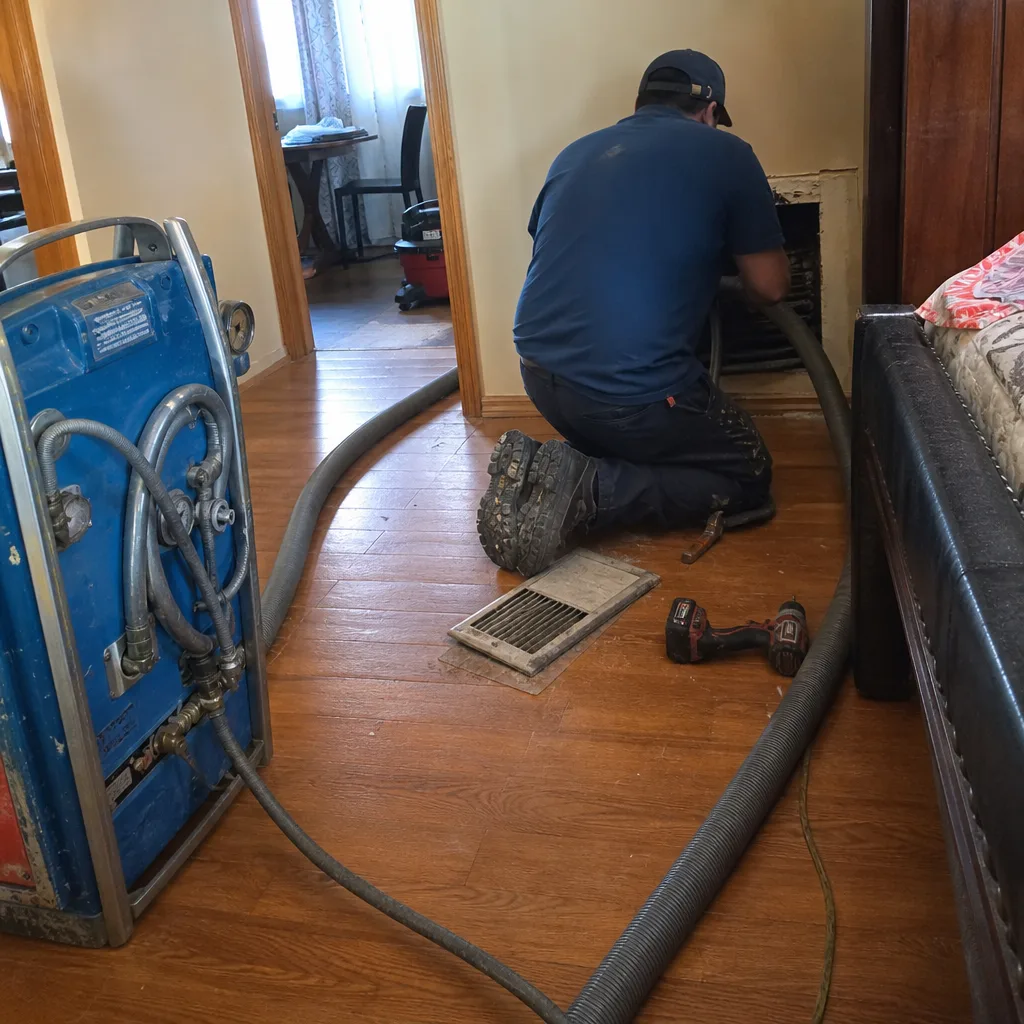 Before
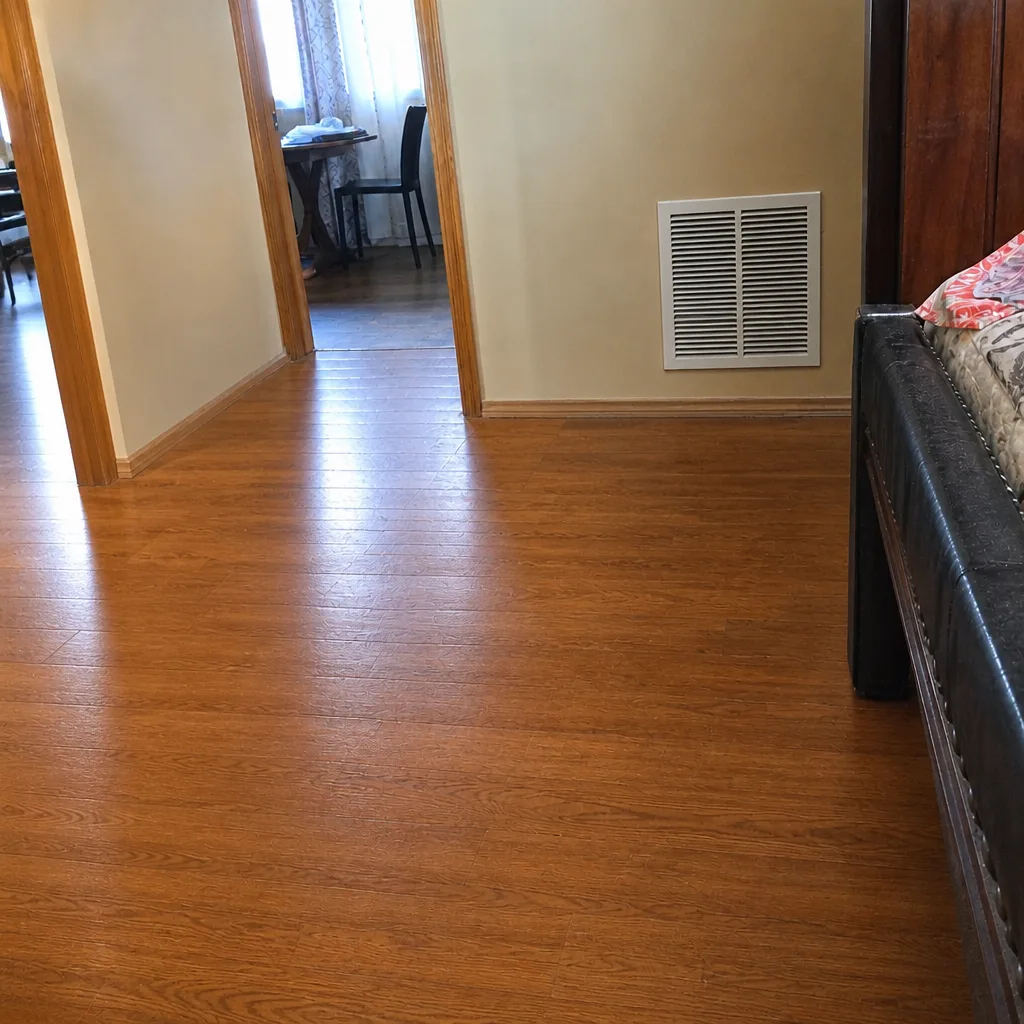 After
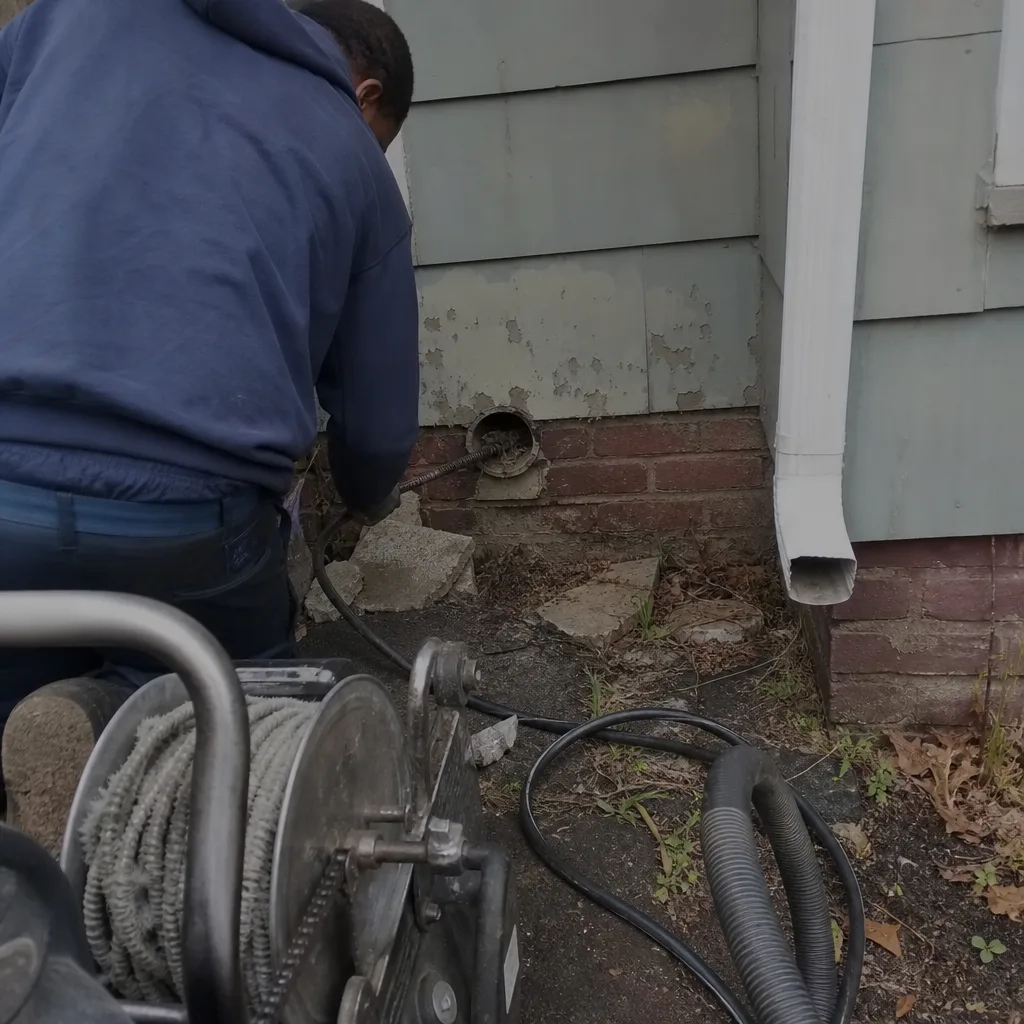 Before
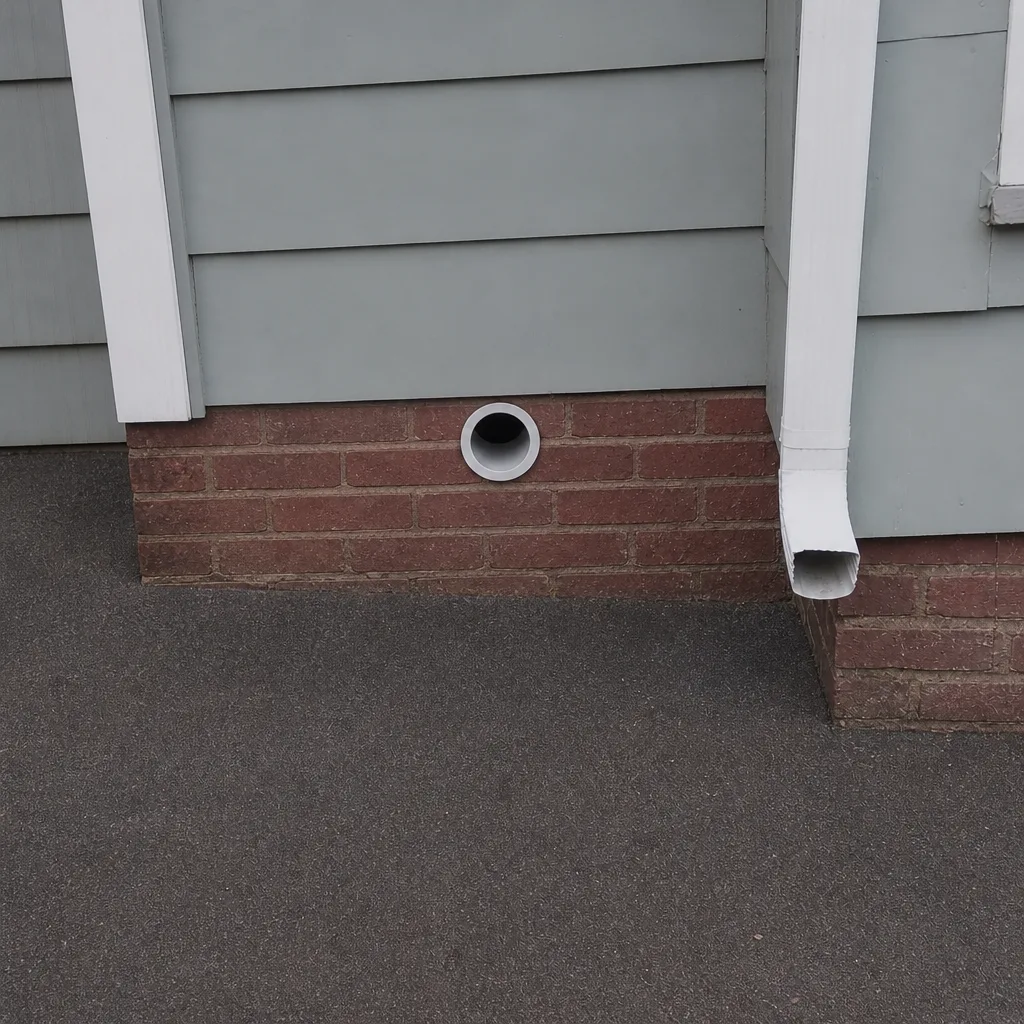 After
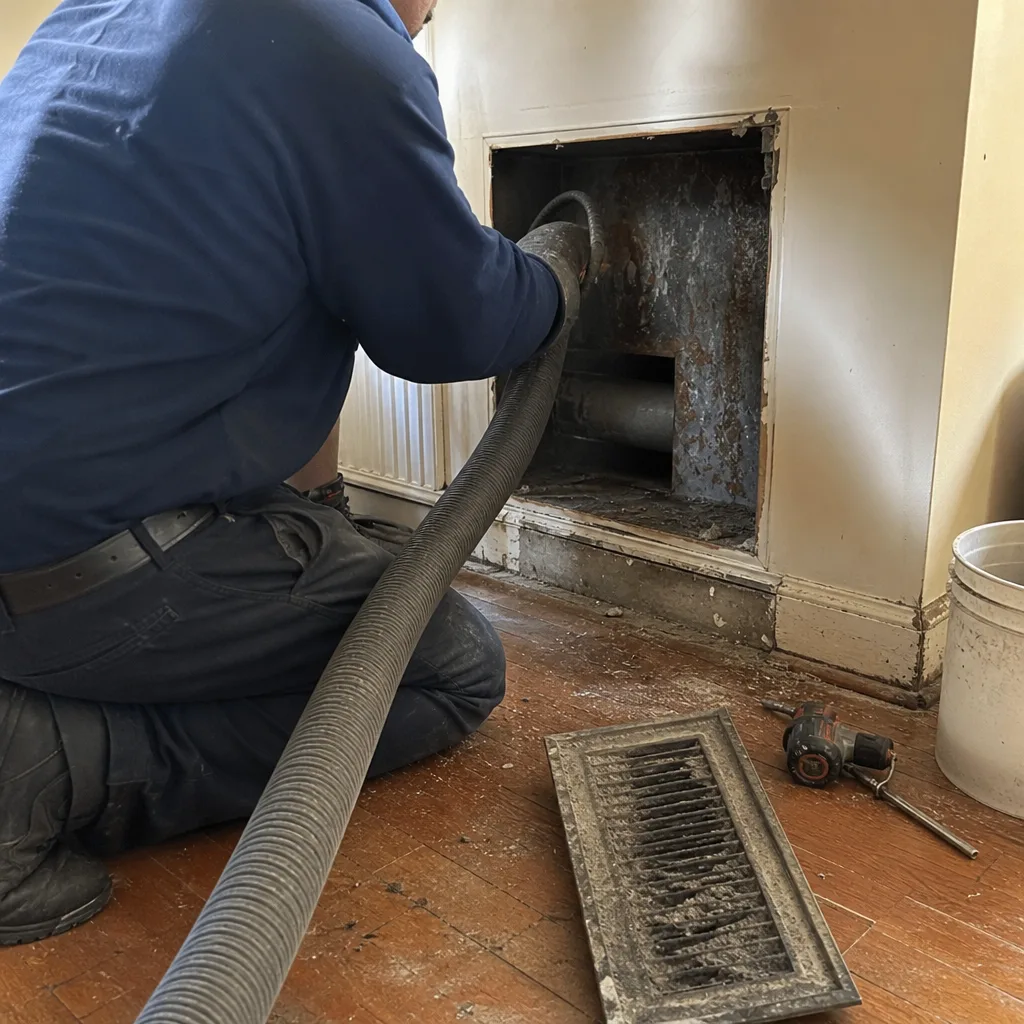 Before
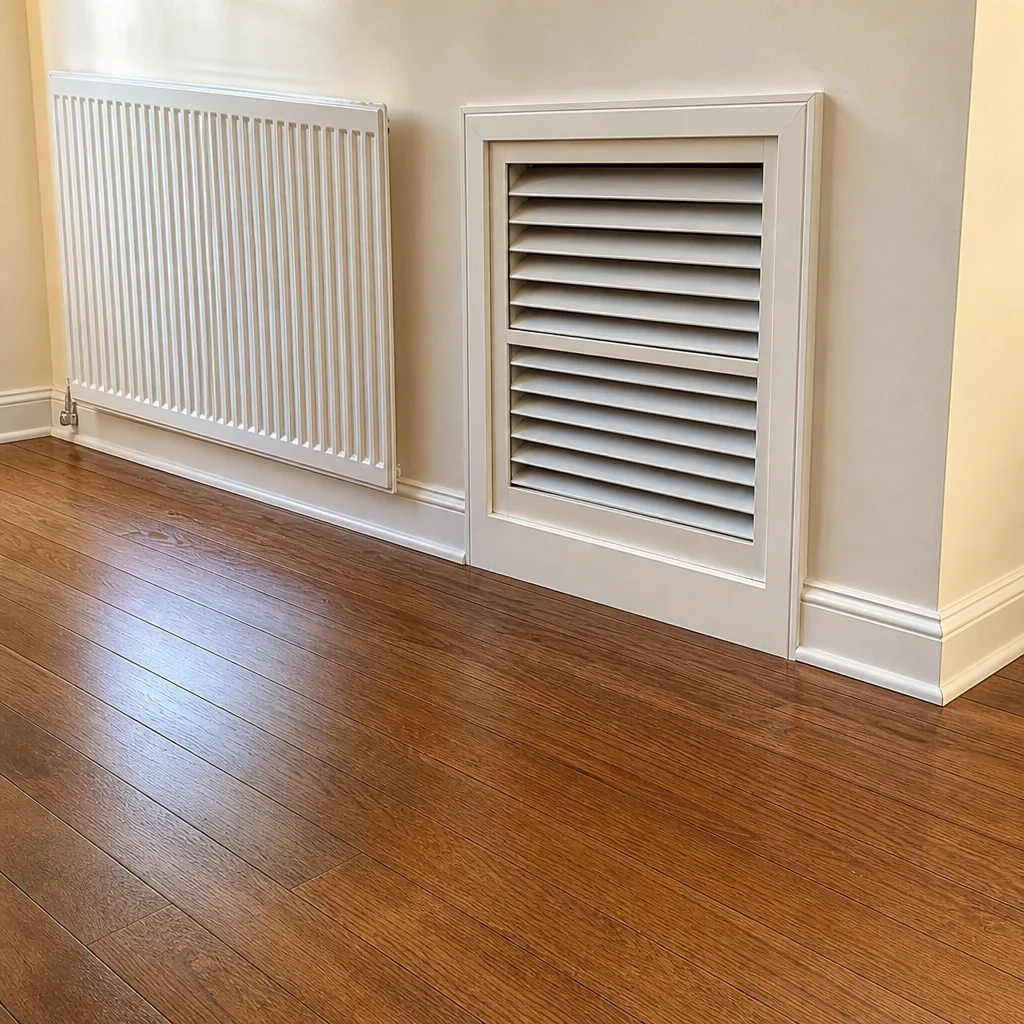 After
Frequently Asked Questions
You need an inspection of the duct interiors, not just a look at the visible registers. If water reached the plenum or duct runs, the system needs cleaning and possibly drying before your next heating or cooling season. The key decision is whether the duct material is metal and dryable or porous material that absorbed water. The inspection report makes that call, not the surface appearance of your vents.
Yes, especially in attached or semi-attached housing like much of Jamaica, where smoke travels through shared voids and duct penetrations. Whether your system needs cleaning or partial replacement depends on whether the smoke stayed on the duct surface or soaked into a fibrous liner. An interior inspection settles that question. Call (866) 937-8830 for a free estimate.
Yes. Turn it off at the thermostat, and cut the breaker to the air handler if water is anywhere near electrical components. Don’t touch equipment or a panel while standing in water; call an electrician. Keep it off until the ducts have been inspected and, if wet, cleaned and dried. Running a wet system pushes contaminated air through the whole house.
Not before a few checks. If the indoor coil froze, let it thaw fully first; restarting a frozen coil can damage the compressor. Check the filter, inspect the blower and coil, and look over flex duct runs for sagging or heat damage. If you smell burning or see scorching near the air handler, stop and call for service. Call (866) 937-8830 for a free estimate.
Move slowly and photograph the water line on the equipment and ductwork, any visible duct interior damage, and the filter, kept for the record. Add a written log with times for when the problem was found, when the system was shut off, and when a professional arrived, plus the written inspection report and estimate. A co-op board request benefits from the same record. Call (866) 937-8830 for a free estimate.
Ask for before-and-after photos of your own duct interiors and a written report naming the components cleaned, sealed, or replaced. Ask what equipment the company uses; professional-grade rotary brushing and high-CFM negative-pressure extraction leave a system visibly different, and a shop vac at the registers does not. That documentation also supports your insurance claim. Call (866) 937-8830 for a free estimate.
The Bottom Line
Duct emergencies in Jamaica come down to one principle: control the airflow before anything else. Shut the system off, cut power if water is near, document what you see, then get an inspection. Flood damage, smoke from a neighboring unit, renovation debris, and an overheated system all create different contamination patterns, and each is judged on whether the duct material is cleanable or compromised. Cleaning, sealing, and repair belong in the same conversation, with the right equipment or the answer isn’t real. Free estimates are available in Jamaica. Call (866) 937-8830.
Written by the team at Air Duct Cleaning Jamaica.