
Last updated November 22, 2026
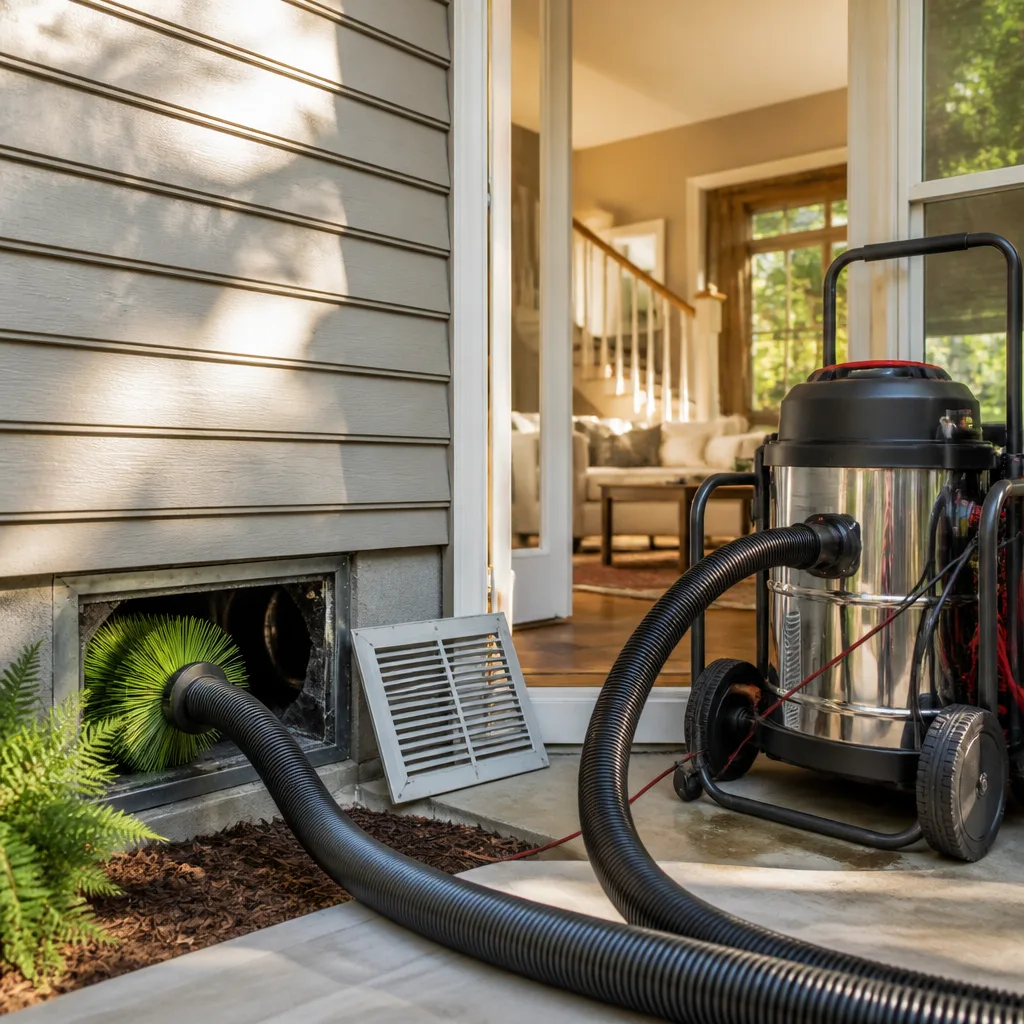 Whole-home duct cleaning
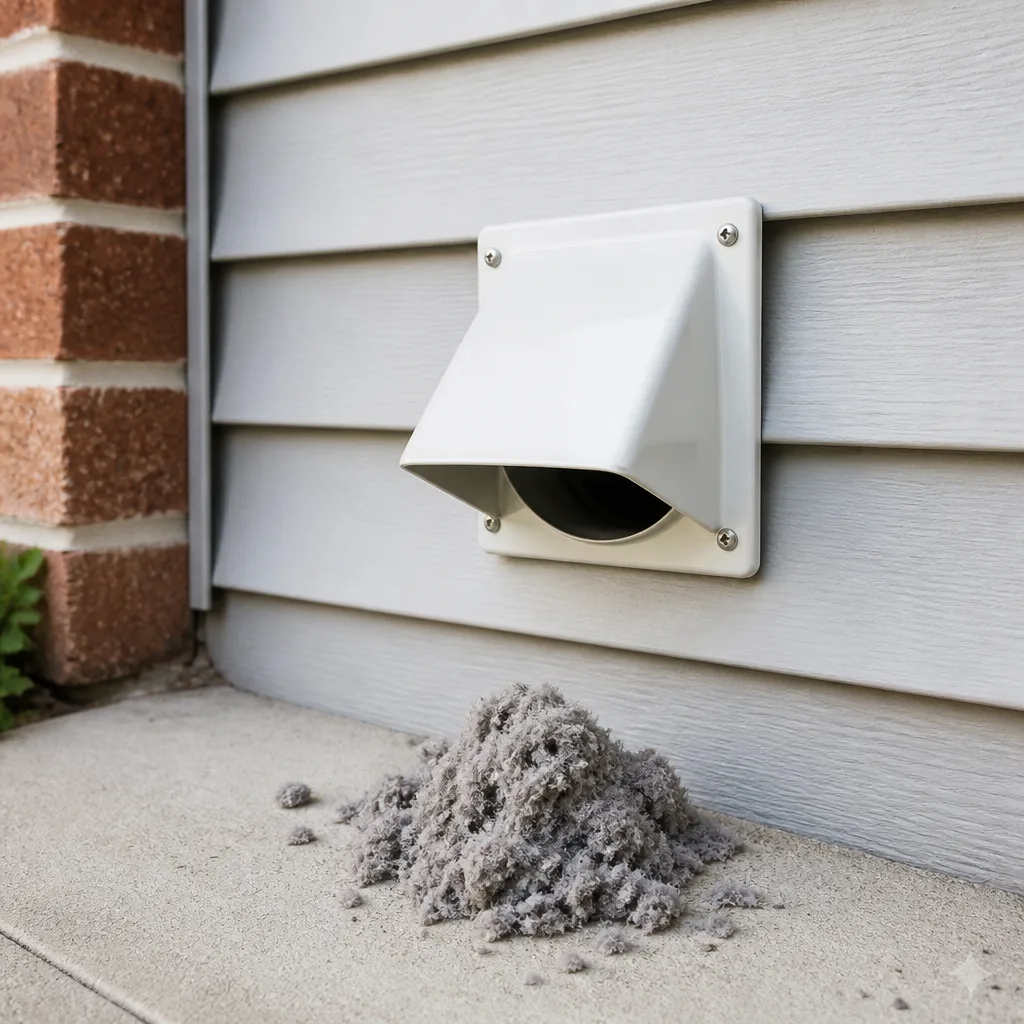 Dryer vent cleaning
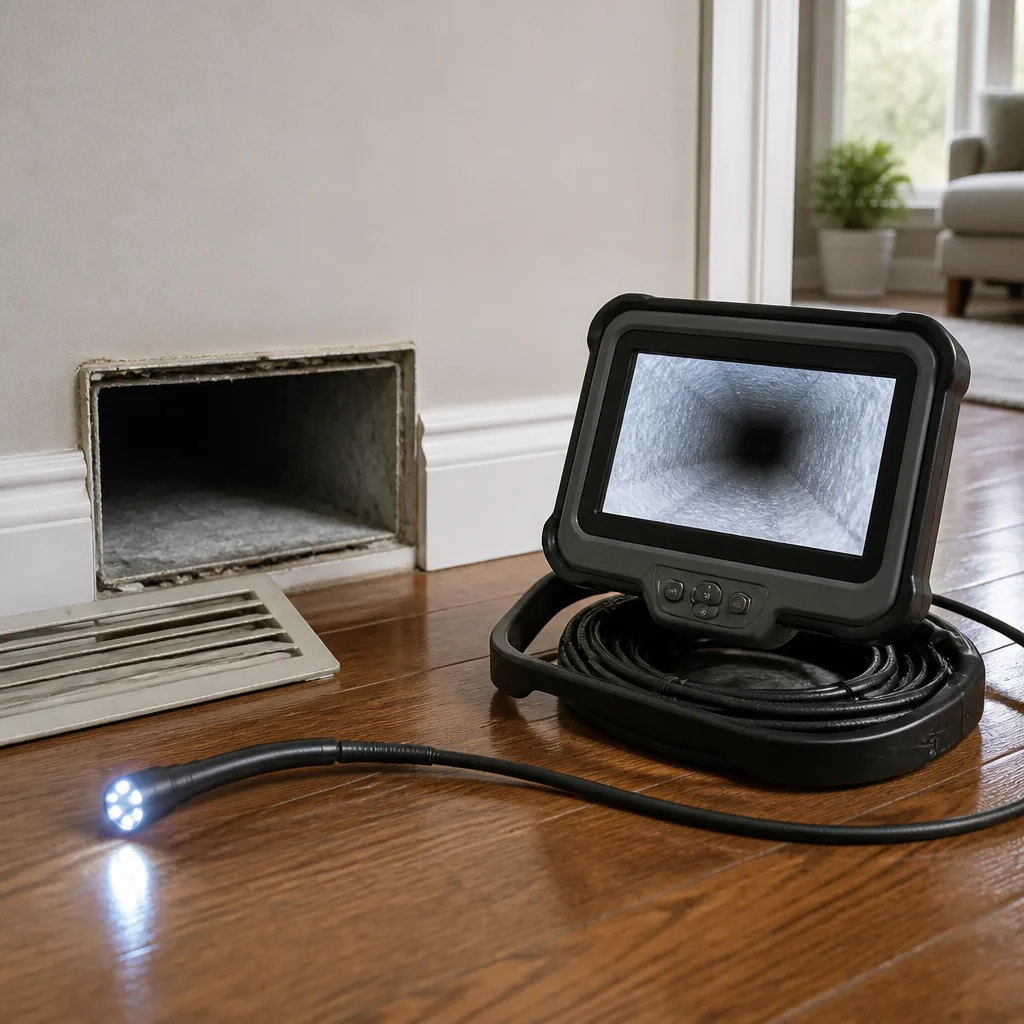 Camera inspection
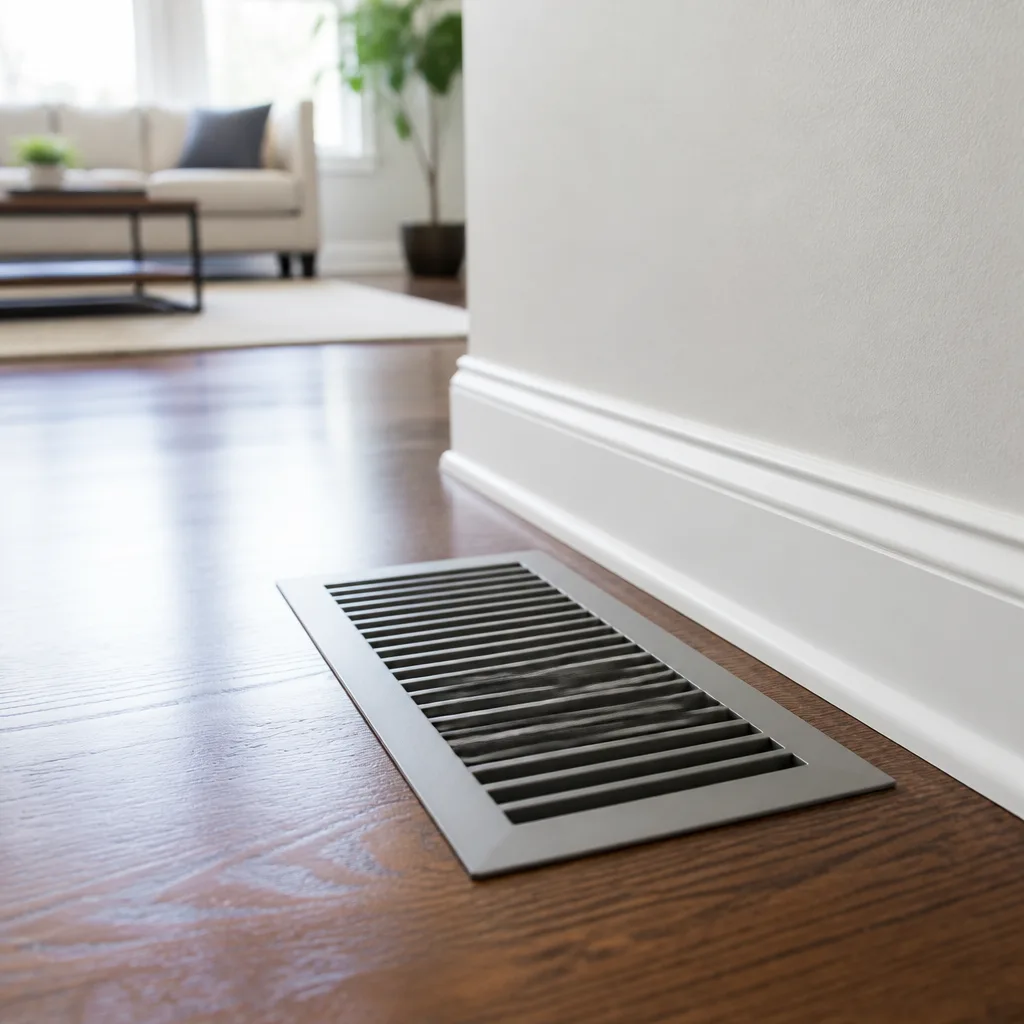 Sanitizing & deodorizing
Whole-system duct and dryer vent check with before-and-after photos - you see exactly what came out of your vents
That "$99 whole-house special" is a bait ad - the real number appears once they are in your hallway, or the "clean" is a shop-vac at the register. We photograph the inside of your ducts before and after instead.
Air Duct Cleaning Warning Signs: A Jamaica Homeowner’s Reference Guide
If you can smell a problem coming from your vents, you’re already past the early warning stage. The useful signals are quieter than that, and most homeowners don’t know what they’re looking at. A faint gray line along the edge of a register, a bedroom that runs two degrees warmer than the hall, a musty note that fades after ten minutes of runtime: none of these look like emergencies. All of them mean something. This guide is written for Jamaica homeowners who’d rather catch a duct problem while it’s still a cleaning job than after it becomes a repair. We’ll walk through the subtle signals first, then the obvious ones, and show you how to tell the difference.
Quick Answer
The most reliable early warning signs of a duct problem in Jamaica are a consistent dust pattern at the supply registers, room-specific allergy symptoms, uneven temperatures between zones, and a musty smell that appears only on startup. Visible mold, pest activity, and heavy debris at the grille are late-stage signs, not early ones. If you notice any of the four subtle signals, a professional inspection usually resolves the question quickly.
Styles & brands we work with
- Whole-home duct cleaning
- Dryer vent cleaning
- Camera inspection
- Sanitizing & deodorizing
Table of Contents
- Reading Dust Patterns at Your Registers
- When Symptoms Track to One Room
- HVAC Performance Signals That Point to Ducts
- Startup Odor vs. Persistent Odor
- Warning Signs in Older Jamaica Housing
- A Seven-Step Home Duct Inspection
- Common Mistakes to Avoid
- When to Call a Professional
Reading Dust Patterns at Your Registers
Dust shows up differently depending on what’s actually wrong. Three patterns cover the great majority of what we see during inspections in Jamaica, and they mean three different things.
Pattern 1: Even Settling
A thin, even coat of dust on every surface in a room, including the top of the register itself, is normal. Homes produce dust continuously, and no filtration system catches all of it. If the dust redeposits at a rate that matches your usual cleaning rhythm, there’s nothing unusual happening. That’s the baseline.
Pattern 2: The Bypass Leak Line
This is the one most homeowners miss. Take a flashlight and look at the seam where the register grille meets the wall or floor. If there’s a distinct dark line, or a soft sooty smear along just one edge, that’s a bypass leak. Air is escaping around the grille rather than passing through it cleanly, pulling dust from the cavity behind the drywall or subfloor. The fix is often sealing, not cleaning. A bypass leak at a register is the HVAC equivalent of a drafty window: harmless-looking, easy to ignore, and quietly responsible for a lot of dust.
Pattern 3: Filtration Failure
Dust streaking outward from the register in a fan pattern, or heavy accumulation on the grille face itself while the room is otherwise clean, points to filtration failure. Either your filter has been bypassed, it’s the wrong size for the housing, or the filter is sitting loosely where air can go around it. A dirty filter is easy to change. A filter that doesn’t seat properly isn’t, and the effect is the same problem you were trying to solve.
The White Cloth Test
This is a simple field test anyone can run:
- Turn the system off. Wait two minutes for airflow to stop.
- Take a clean white cloth and wipe the inside face of the register grille, moving in one direction.
- Repeat on the surface directly below or beside the register.
- Compare: if the grille wipes significantly darker than the surrounding surface, air is carrying contamination through the register. If they look about the same, dust is settling evenly and you have no register-level signal.
Run this on four or five registers around your home. A single dark one points to a local problem. Five or six dark ones point to the system as a whole, which is when air duct cleaning becomes worth pricing out.
When Symptoms Track to One Room
Allergy and respiratory symptoms are easy to dismiss as seasonal or as “something going around.” They mean something else when they move with your house. The diagnostic clue is location.
Symptoms That Follow the Register
If one bedroom produces more sneezing, congestion, or scratchy throat than the rest of the home, and that pattern stays steady over weeks, contamination in that branch of ductwork is a strong candidate. The specific rooms where this shows up in Jamaica homes are often bedrooms in the back of the house, which sit at the end of the longest duct run and typically see the lowest airflow.
Why One Zone and Not the Whole House
A duct system is a tree, not a bucket. Debris accumulates in different sections at different rates. A branch that lost its interior lining years ago, a run with a loose joint pulling air from a cavity, or a terminal section with a partially blocked register will concentrate problems. The rooms fed by that section get the symptoms. The rest of the house doesn’t.
What to Track
Before you call anyone, write down the following for a week or two:
- Which rooms produce symptoms and which don’t.
- Whether symptoms get better or worse when the HVAC system is running.
- Whether leaving the register closed in that room changes anything.
- Whether the symptom pattern resets after a deep clean of the room, or returns within days.
A short log like this gives an inspector far more to work with than a vague “the air feels bad.” If symptoms concentrate in one or two rooms, a targeted inspection of that zone is usually enough. If they’re spread across the whole house, the whole system is likely involved, and you may also want HVAC cleaning included in the conversation.
HVAC Performance Signals That Point to Ducts
Not every performance problem is an equipment problem. In our experience, homeowners tend to blame the furnace or the air handler when the duct system is what’s changed. These are the signals that point at the ducts.
Uneven Temperature Distribution
If a room that used to hold temperature now runs warm in summer or cool in winter, with no equipment change and no new windows or insulation, look at airflow. Duct leakage and duct obstruction both cause it. A disconnected joint in an attic or crawl space is a common culprit: the system still runs, but a share of conditioned air is no longer reaching the room. Rising energy bills with no equipment change and no rate increase fit the same pattern.
Short Cycling in One Zone
A system that cycles on and off quickly in one zone, or that runs longer than it used to in the whole house, may be struggling against a restricted return. Return-side restrictions are the least intuitive: homeowners rarely think about them, but a return duct that’s leaking or partially blocked forces the system to work harder to move the same air. If the equipment has been checked and is healthy, the next question is airflow.
Rising Bills Without a Match in Usage
Bills can rise because of rates, weather, or equipment. When none of those changed and the bill went up, duct leakage is worth ruling out. Air duct leakage is the invisible cost in an HVAC system: you pay to condition air that never reaches a room. In Jamaica homes, this is often most pronounced in the upper floors, where duct runs are longer and frequently pass through unconditioned attic space.
What These Signals Don’t Mean
They don’t confirm a duct problem on their own. Equipment failure, refrigerant issues, and thermostat problems produce overlapping symptoms. The right approach is to rule out the equipment first, then evaluate the ducts. If your equipment has been serviced and the performance issues persist, that’s the point to bring a duct specialist in.
Startup Odor vs. Persistent Odor
Odor is where homeowners most often misjudge severity. Timing is everything. A musty smell that appears for a few minutes when the system first comes on and then fades is a different problem than a musty smell that persists throughout the run cycle.
The Startup Odor
System off for hours, then on, and there’s a brief musty or dusty smell. This is typical of dust settling on components that stay warm or humid during off periods, or a small amount of moisture that dried during the off cycle. It usually resolves as the system runs. A daily startup odor is not a crisis, but it’s a signal that the system hasn’t had attention recently. Cleaning is usually the appropriate response.
The Persistent Odor
If the musty smell continues for the full run cycle, or gets stronger the longer the system runs, that’s a different situation. Persistent odor means the source is active, not settled. Moisture is still present somewhere. Contamination is still being picked up and circulated. Cleaning helps, but cleaning alone may not be enough if the source is a leak or a moisture intrusion into the duct cavity. That’s when the conversation turns to sealing and repair, and occasionally to a broader indoor air quality strategy involving products like Aprilaire or Honeywell systems that manage humidity and filtration at the whole-home level.
Why the Distinction Matters
The cost and scope difference between these two scenarios is real. Startup odor usually means “schedule a cleaning.” Persistent odor means “find the source.” A professional inspection will tell you which one you’re in, and it will save you from paying for a cleaning that doesn’t solve a problem it wasn’t designed to solve.
Warning Signs in Older Jamaica Housing
Jamaica has a substantial stock of mid-century residential construction, and ductwork from that era presents differently than modern installations. What looks like a cosmetic issue in an older home can indicate a structural duct problem.
What’s Different About Older Ducts
- Interior lining degradation. Many older duct runs used internal lining materials that break down with age. When that lining starts to fail, it sheds into the airstream. The visual clue is often fiber-like material at the register, not dust.
- Mastic and tape failures. Older joints were sealed with materials that were never designed for decades of thermal cycling. Failed seals are common and quiet.
- Service-life realities. Duct systems from 1960s construction have usually been through multiple HVAC replacements. Patching during those replacements is common; proper re-sealing is not.
- Improvised modifications. Non-standard duct transitions added over the years can restrict airflow in ways the original design never accounted for.
What Homeowners Tend to Misread
A small line of peeling material at a register in an older Jamaica home looks cosmetic. If it’s duct lining, cleaning won’t fix it, and neither will a fresh coat of paint on the ceiling. Duct repair and sealing is the appropriate service, and it’s a category most duct-cleaning companies don’t offer. Air Duct Cleaning Jamaica handles it as a core service because cleaning a duct that’s structurally compromised is only half the answer.
The Practical Check
If you live in an older Jamaica home and you’re seeing fiber-like material at any register, or if a register has visible gaps around the housing, get it looked at before scheduling a cleaning. Cleaning alone can leave a structural problem in place.
A Seven-Step Home Duct Inspection
A basic walkthrough you can do yourself, before calling anyone. It won’t replace a professional inspection, but it will tell you whether one is worth scheduling.
- Walk the registers. Look at each register for dark lines along edges, streaking on the grille face, or any fiber-like material. Note which registers show what.
- Run the white cloth test on four or five registers. Compare the wipe against the surrounding surface. Note dark ones.
- Note temperatures by room. With the system running for at least twenty minutes, hold a thermometer (or use a cheap infrared gun) at each register. Wide variation between registers indicates an airflow distribution issue.
- Check the filter housing. Remove the filter and look at how it seats. If there’s a visible gap around the edges, air is bypassing the filter. Make sure the filter is the right size.
- Note odor timing. When the system starts, does the smell appear and fade, or does it persist?
- Look at any accessible ductwork. In a basement, garage, or attic, check that joints are visually intact. Loose tape with a dust halo around it is a leaking joint.
- Log symptoms by room. For a week or two, note which rooms produce more symptoms. The location is the diagnostic clue.
Once you’ve done this, you’ll have a clear picture to hand to an inspector. That means a faster, more focused visit, and a better chance the recommendation matches the actual problem.
Common Mistakes to Avoid
- Treating a dust problem as a cleaning problem by default. Dust layered on a grille can be filtration failure, a bypass leak, or simple settling. Cleaning helps one of those. The other two come back. Identify which one you have before scheduling work.
- Ignoring a single-room symptom on the assumption the whole system is fine. A zone-specific problem doesn’t get better because the rest of the house is comfortable. It usually gets worse, and it’s the cheapest kind of duct problem to solve at the early stage.
- Using a shop-vac and a wand to “clean” a duct system. Consumer-grade vacuums don’t create the negative pressure needed to hold dislodged debris inside the system, so material gets pushed back into the living space. Professional cleaning relies on equipment built for the task, like the Nikro vacuum systems and Rotobrush rotary brush systems we use on Jamaica jobs.
- Sealing a visible leak without inspecting the rest of the run. A visible joint leak in an accessible attic often means there are other leaks you can’t see. A partial fix can be worse than no fix because it gives a false all-clear.
- Assuming a startup odor is normal and letting it go. A brief startup smell is common, but if it’s been there for a year, the underlying cause hasn’t been addressed. Note the timing and mention it during inspection.
- Choosing the cheapest estimate without checking what’s included. A cleaning quote from a company that doesn’t have commercial-grade extraction doesn’t address the same scope. The scope is what you should compare, not the headline number.
- Assuming you have to coordinate multiple contractors. Duct cleaning, sealing, dryer vent clearing, and air quality products can all be handled in one engagement. Splitting the work across vendors means each one leaves part of the problem for the next.
When to Call a Professional
Call a professional if a single room produces symptoms for more than a couple of weeks, if a white cloth test comes back dark on most of your registers, if the musty smell persists through the full run cycle, or if your older Jamaica home shows fiber-like material at a register. Call sooner if you notice visible mold inside ductwork you can reach, or if a dryer vent has visibly lost airflow. Also call if a recent HVAC service didn’t change a performance problem that was supposed to be a duct issue. Air Duct Cleaning Jamaica offers free estimates in Jamaica. Call (866) 937-8830. We answer 24/7. Fast dispatch from 7am to 7pm, Sunday through Friday, so we can get an inspection on the schedule quickly, and we’ll tell you upfront what the job involves before any work begins.
See the difference
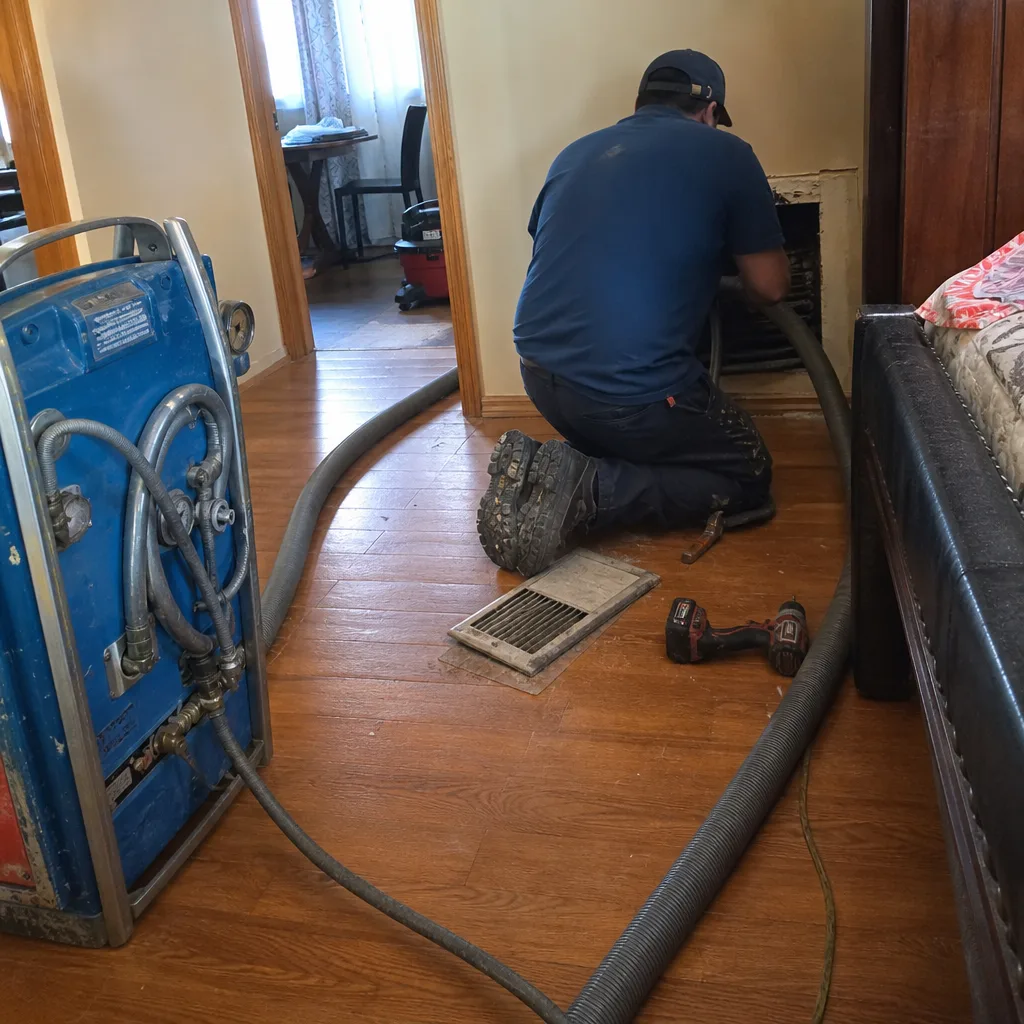 Before
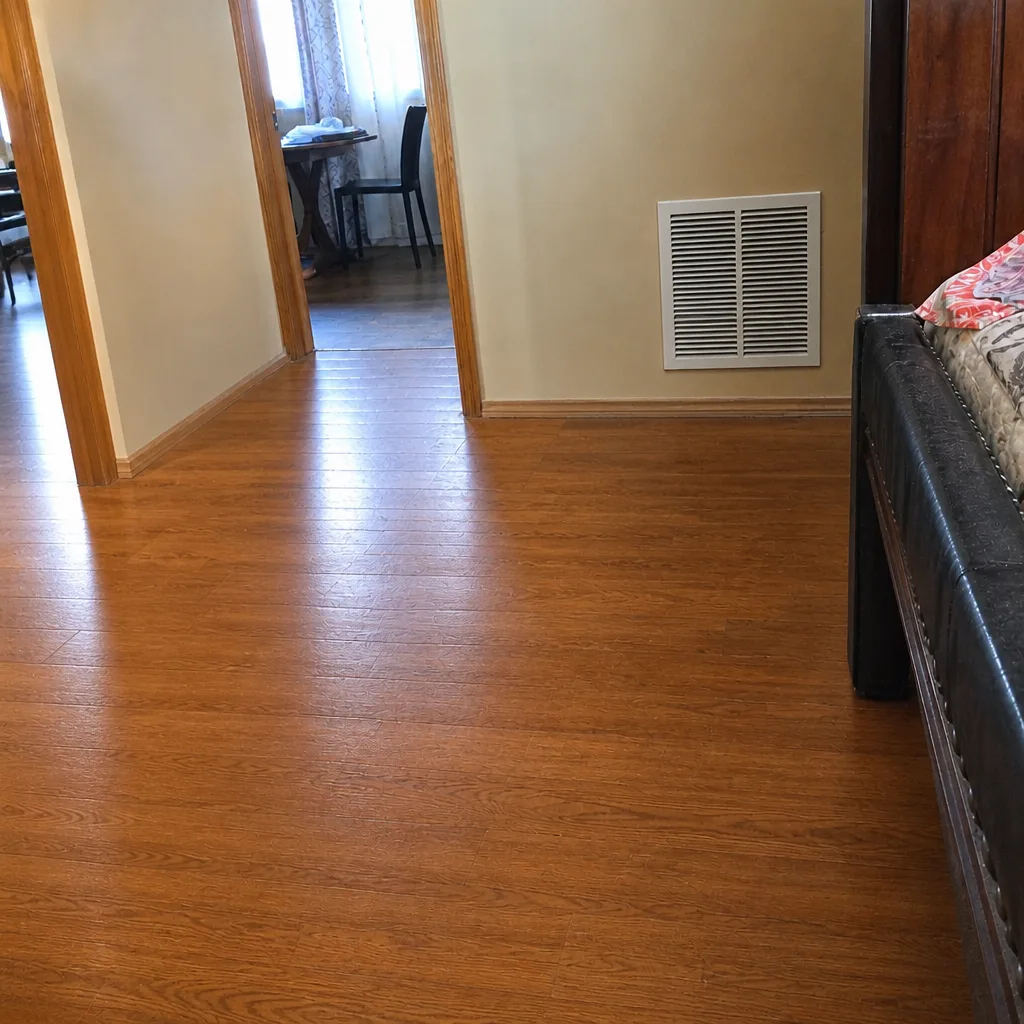 After
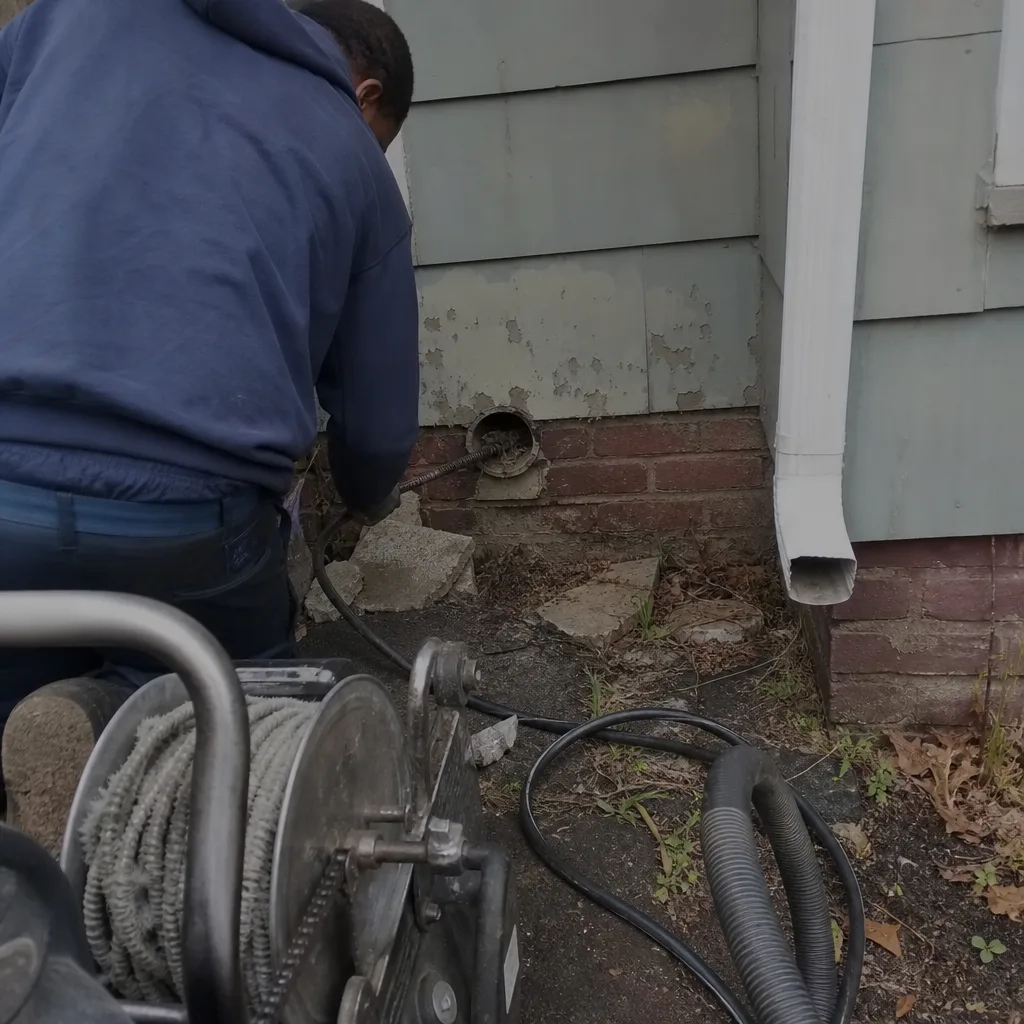 Before
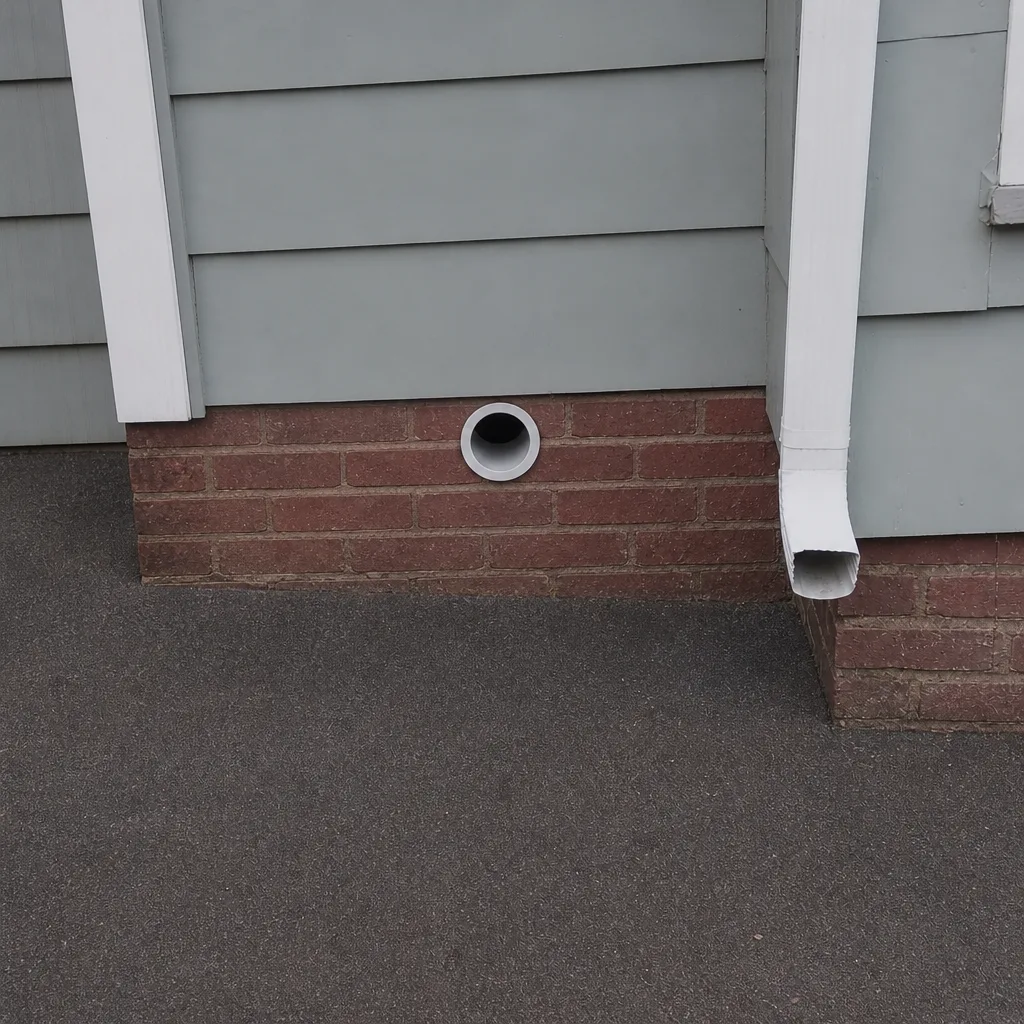 After
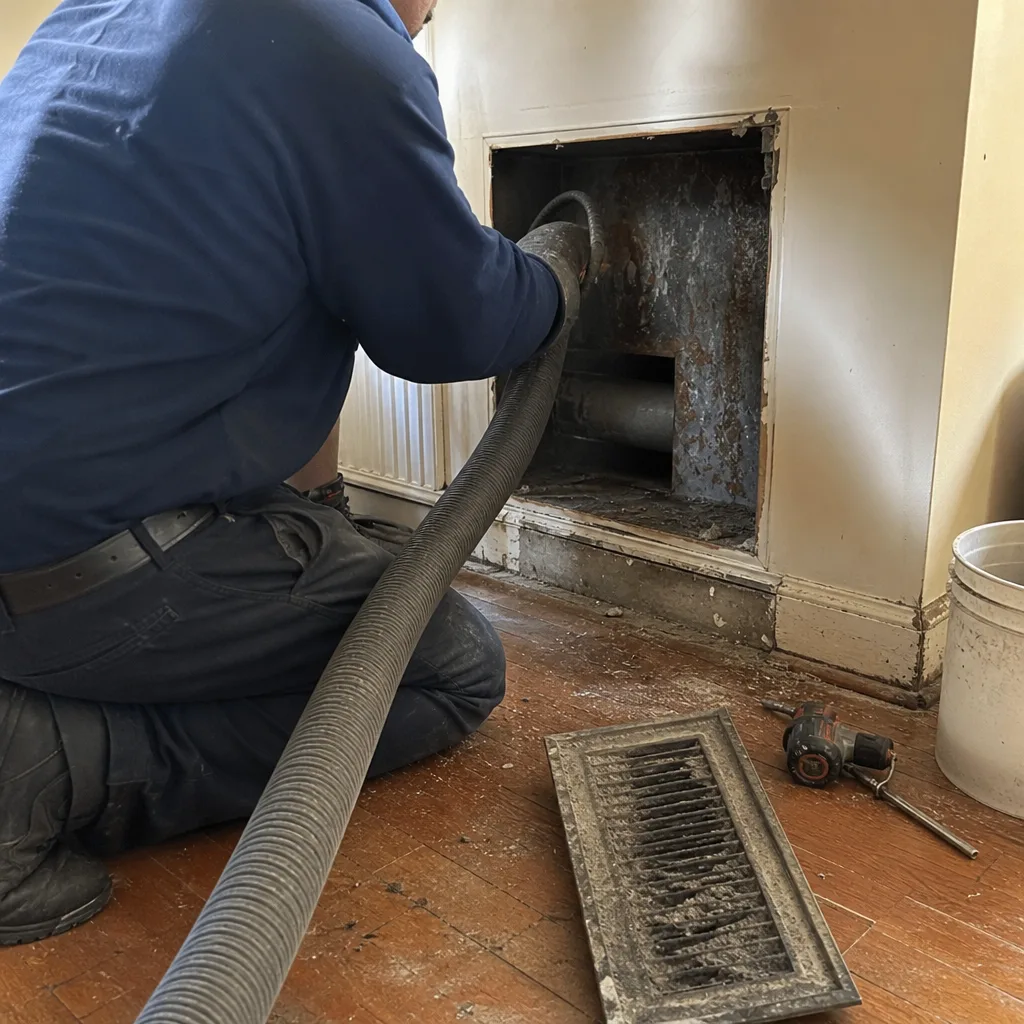 Before
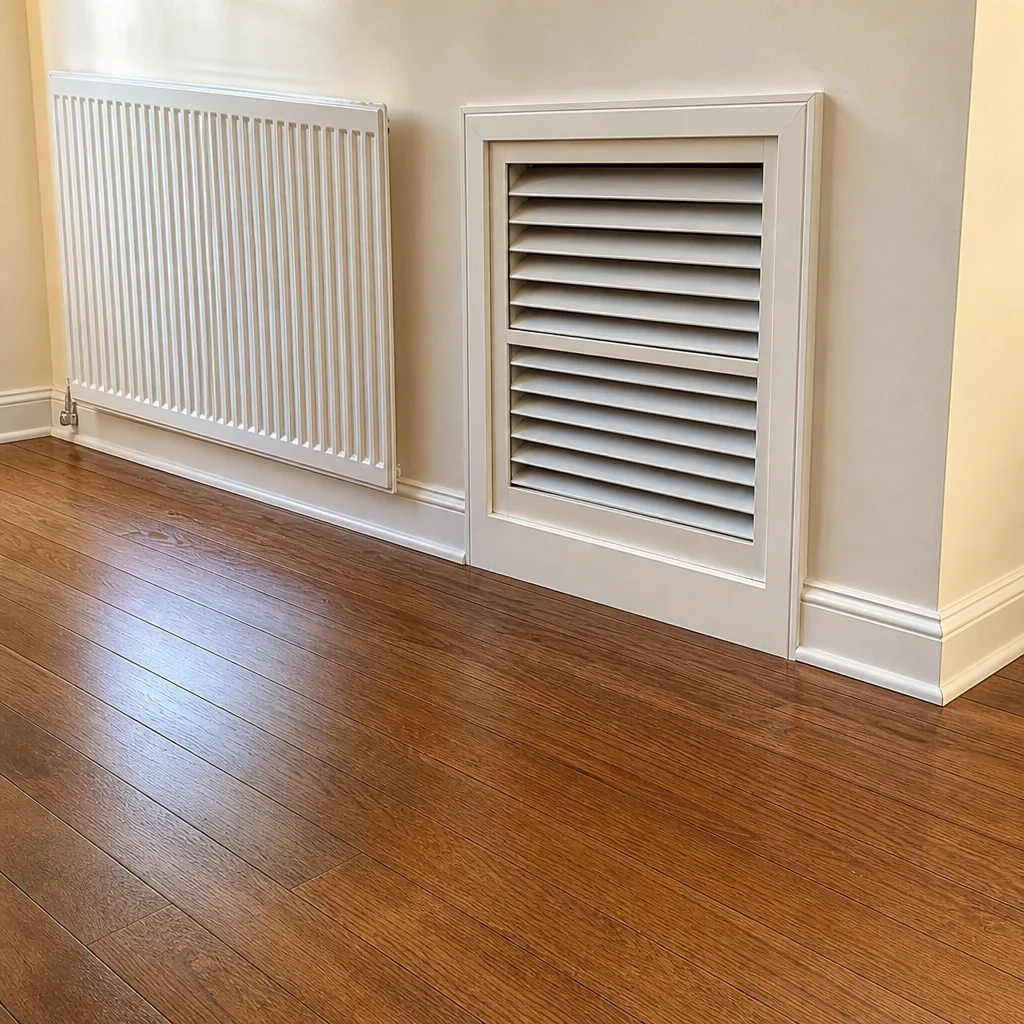 After
Frequently Asked Questions
The earliest signals are subtle: a dark line along the register edge, a single room with recurring symptoms, temperature variation between rooms, and a musty smell that only appears on startup. These show up before visible mold or heavy debris, and they’re the signals worth acting on, because a cleaning job at this stage is far simpler than addressing contamination that’s been circulating for a year. If you notice any of these, call (866) 937-8830 for a free estimate and we can tell you whether an inspection is warranted.
Equipment problems usually affect the whole system at once: no cooling anywhere, no heating anywhere, a unit that won’t stay running. Duct problems usually show up as uneven performance, where some rooms are fine and others aren’t, or as performance that declines gradually. If your equipment has been recently serviced and the symptoms persist, the ducts are the next thing to check. Call us for a free estimate and we can walk you through the difference on the phone before scheduling.
A low quote usually reflects a smaller scope, not a better price. It often means a consumer-grade vacuum and a hand-held brush rather than professional extraction equipment. It may not include sealing failed joints, so leaks come back. It may not use negative-pressure containment, so dislodged debris re-enters your living space. In Jamaica, we use Rotobrush rotary brush agitation together with Nikro high-CFM extraction and Abatement Technologies filtration to keep contaminants contained inside the work area. The scope is what to compare, not the headline figure.
It depends on the home, not the calendar. Homes with pets, recent renovation work, forced-air systems that have been running with a compromised filter, or occupants with significant respiratory concerns tend to need attention more often. Homes with clean history, good filters, and no symptoms can go longer between cleanings. Our honest answer is that symptom-driven cleaning beats schedule-driven cleaning. Call (866) 937-8830 for a free estimate and we’ll give you a specific opinion for your situation, not a generic number.
Sealing is necessary when there are structural duct problems: disconnected joints, failed seals, or interior lining degradation. Cleaning alone won’t fix any of those. The white cloth test and a visual inspection of accessible ductwork will show whether structural issues are likely. Air Duct Cleaning Jamaica offers dryer vent cleaning and duct sealing as part of the same engagement, so you don’t need to coordinate two vendors. Call (866) 937-8830 for a free estimate if you’re unsure which applies.
Whole-home air quality products like Honeywell and Aprilaire systems can extend the useful life of a cleaning by managing filtration and humidity at the system level, rather than at the room level. They’re useful where moisture is a recurring issue, or where filtration has consistently failed. Air Duct Cleaning Jamaica is authorized to supply and install both. Call (866) 937-8830 for a free estimate if you want to talk through whether one fits your home.
The Bottom Line
The signs worth acting on are the ones you can catch with a flashlight, a white cloth, and a week of notes. Dark lines at the registers, single-room symptoms, temperature variation that doesn’t match the equipment, startup odor timing, and fiber at newer registers in older Jamaica homes all point at duct problems you can deal with at the cleaning stage rather than the remediation stage. The correction involves professional-grade extraction equipment, contained airflow, and an honest look at whether the ducts themselves need repair, which is where most of the cost differences between contractors actually come from. If any of the signals described here match your home, get an inspection. Call (866) 937-8830. We answer 24/7. Fast dispatch from 7am to 7pm, Sunday through Friday. Free estimates, and the written estimate sets the final price.
Written by the team at Air Duct Cleaning Jamaica.