
Last updated November 22, 2026
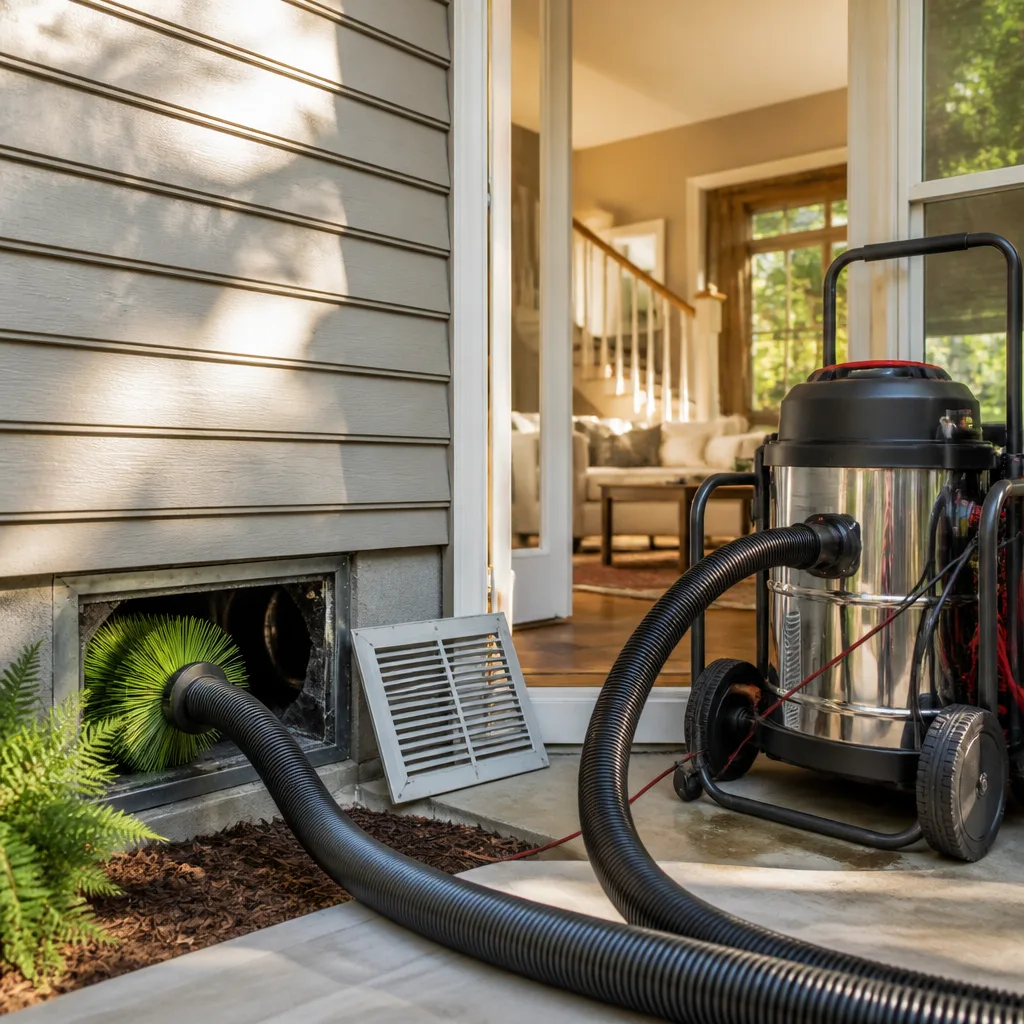 Whole-home duct cleaning
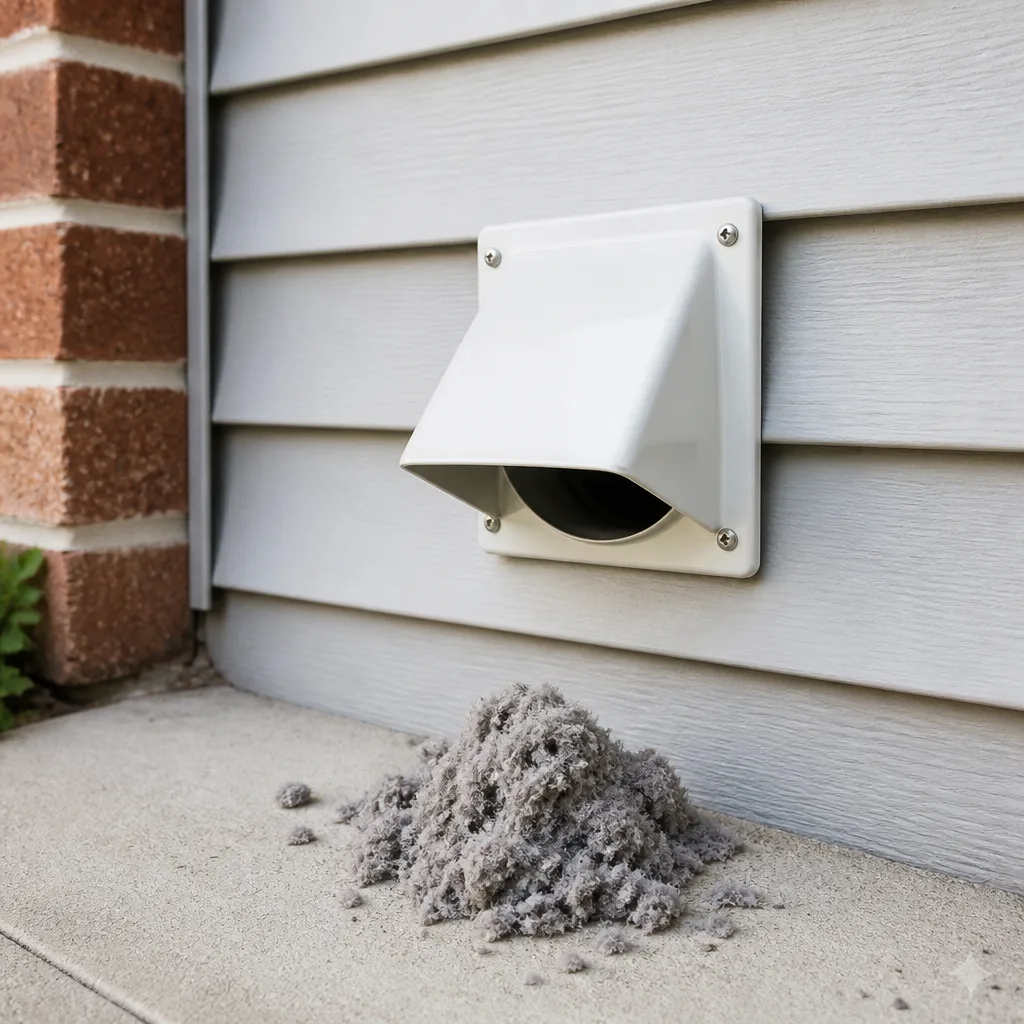 Dryer vent cleaning
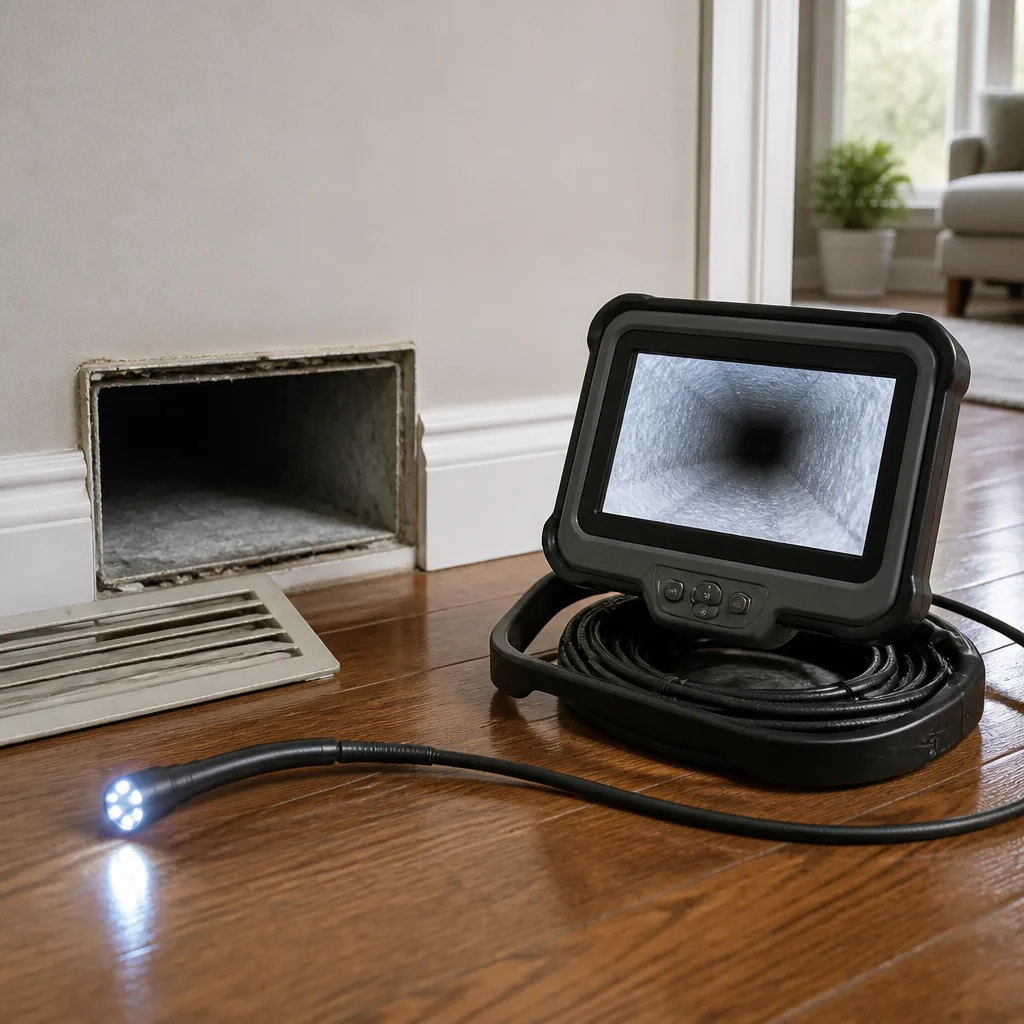 Camera inspection
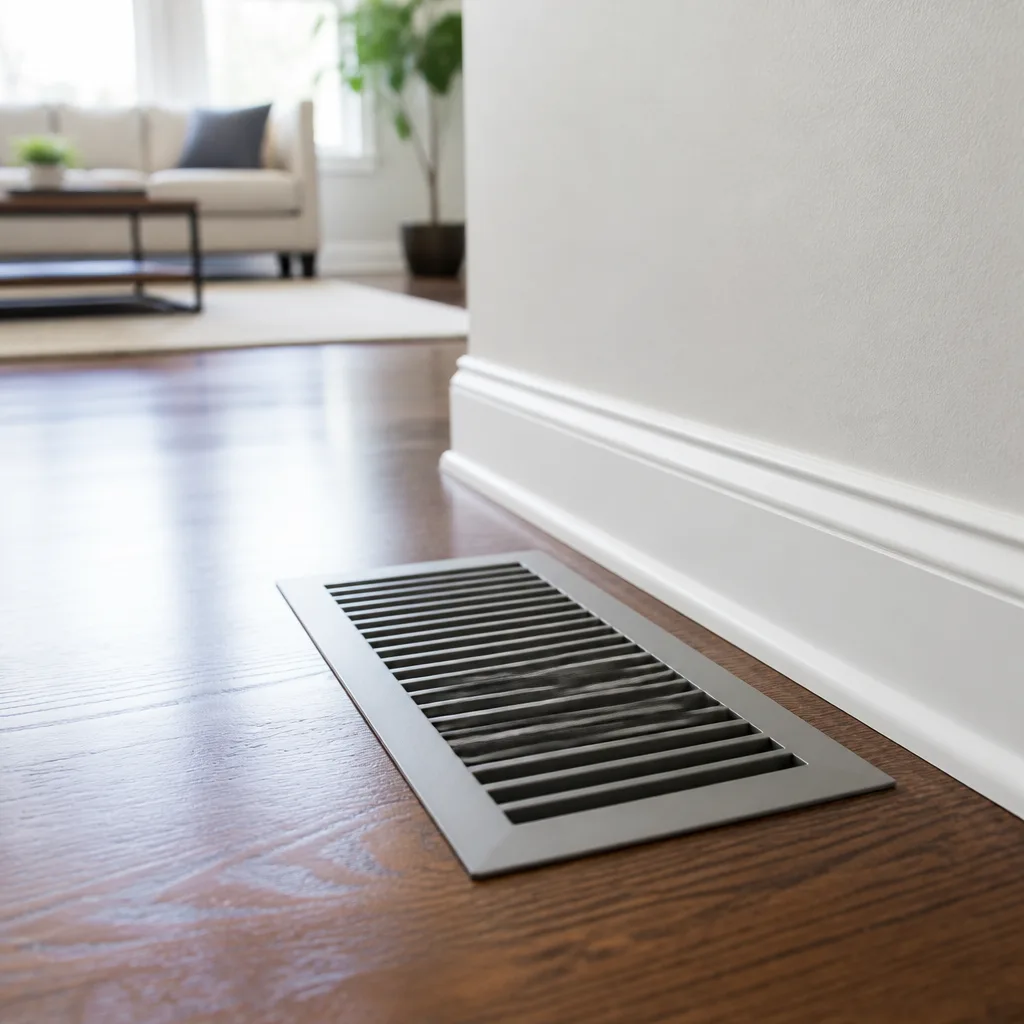 Sanitizing & deodorizing
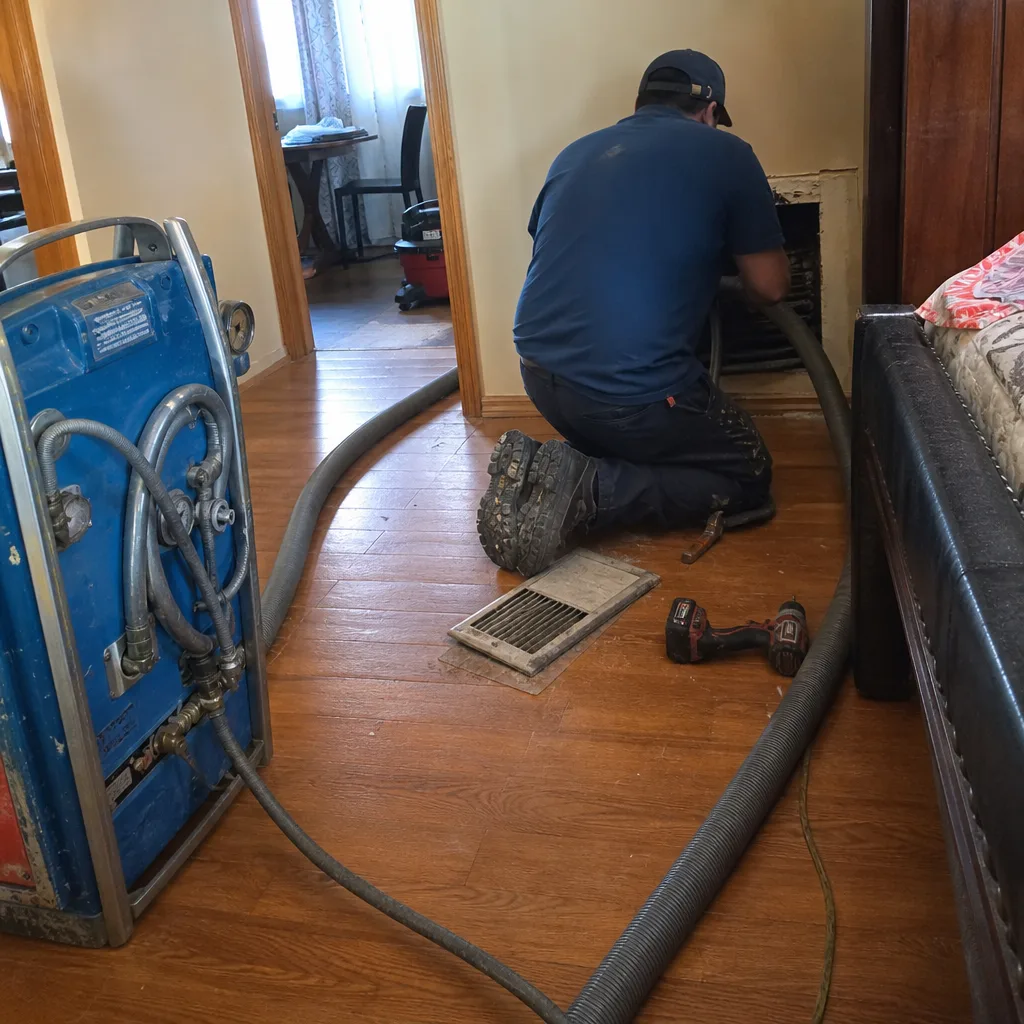
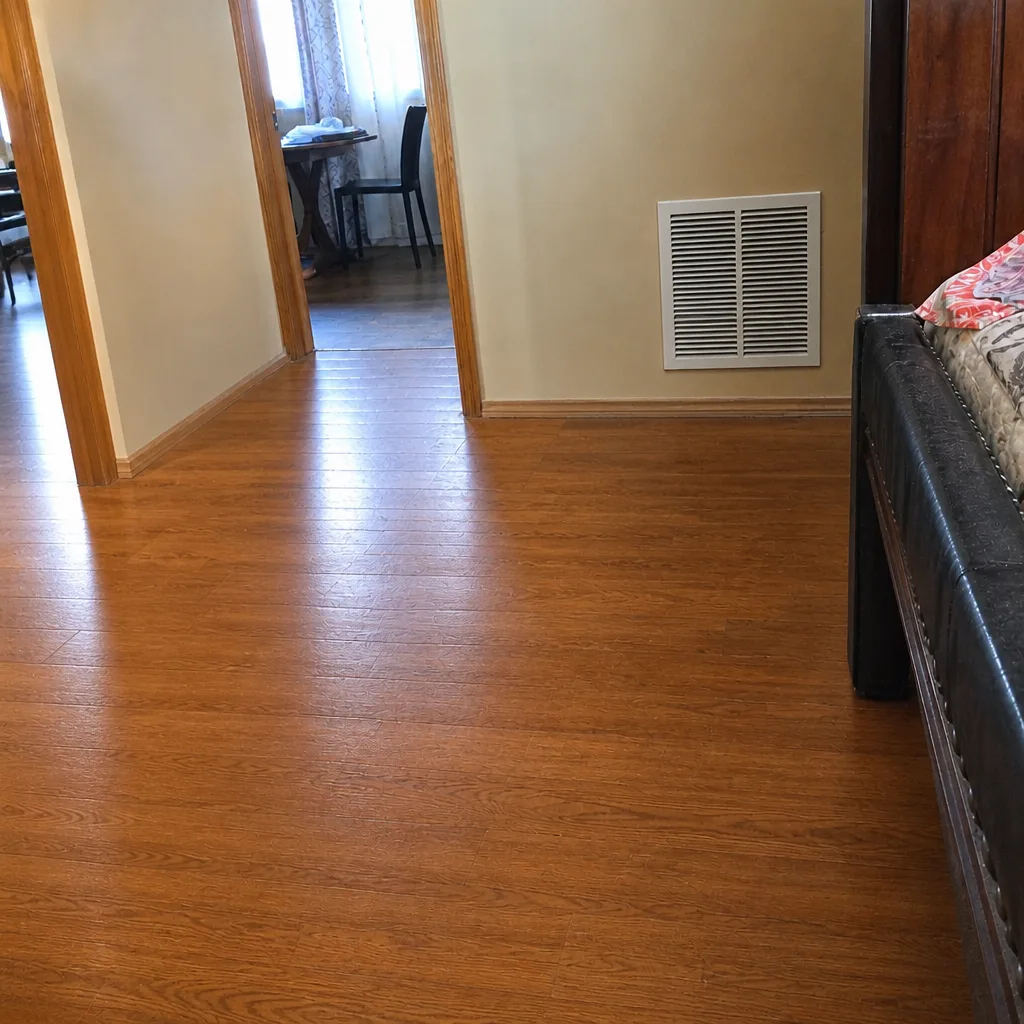
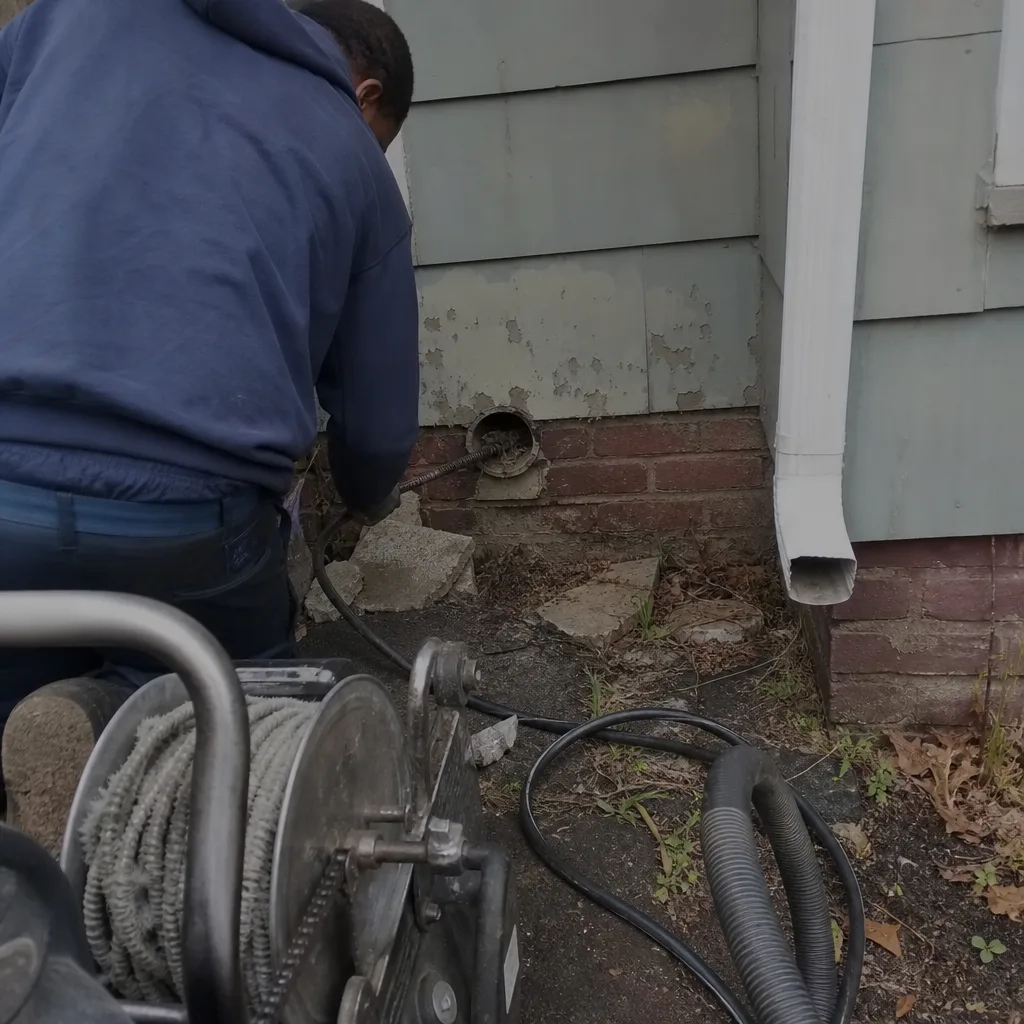
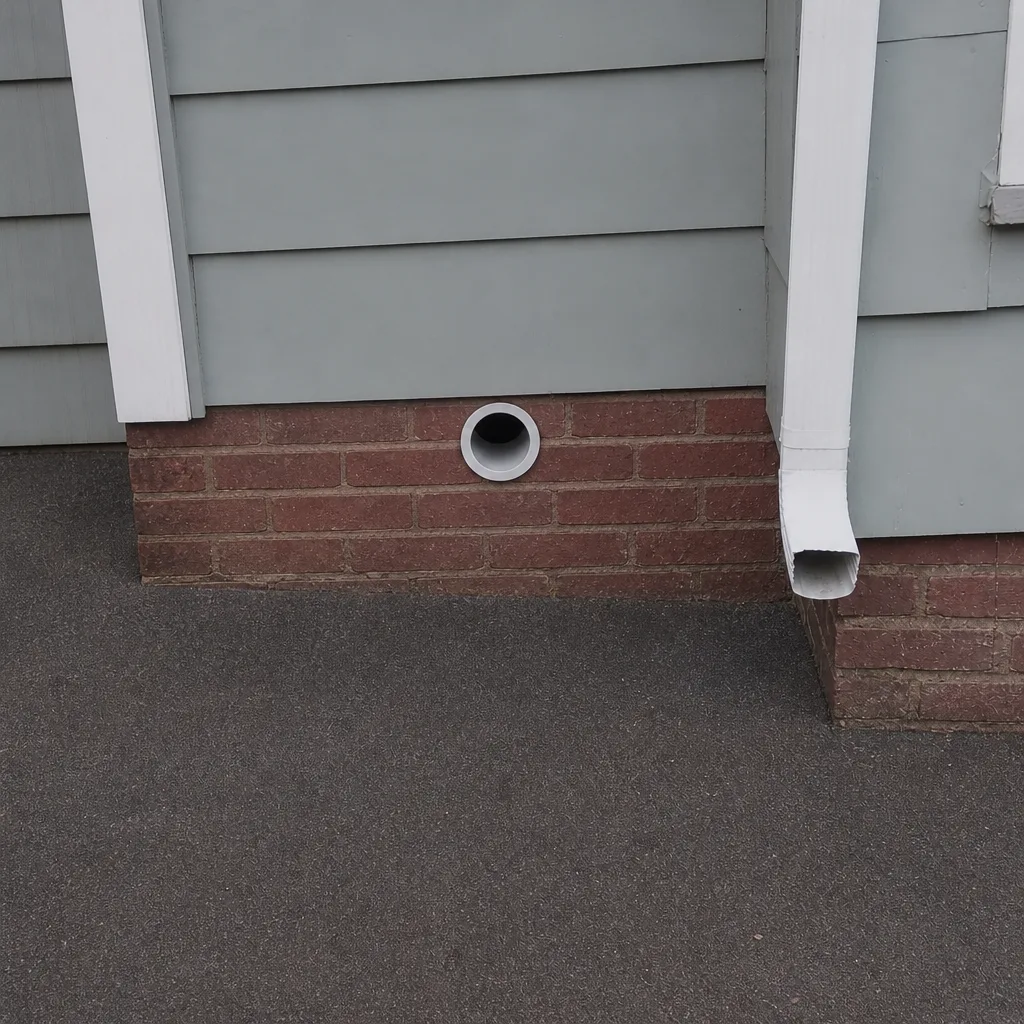
Whole-system duct and dryer vent check with before-and-after photos - you see exactly what came out of your vents
That "$99 whole-house special" is a bait ad - the real number appears once they are in your hallway, or the "clean" is a shop-vac at the register. We photograph the inside of your ducts before and after instead.
Air Duct Cleaning Permits, Codes & Inspections in Jamaica, NY: What You Need to Know
No one pulls a permit to clean your ducts. That’s the part most people get right. Here’s the part they miss: if the crew opens a return and finds a collapsed flex duct section, a torn trunk line, or a plenum connection that’s been leaking into the joist bay for years, replacing that section is mechanical work, and in New York City that kind of work falls under the Department of Buildings. The cleaning visit that started as maintenance just became an alteration. In Jamaica, where most of the housing stock is older than the people living in it, that line gets crossed more often than anyone expects. This guide covers where it sits, what documentation protects you, and how the inspection side actually works.
Quick Answer
Air duct cleaning itself does not require a permit in New York City. Cleaning and routine maintenance are not regulated construction work. Duct repair, sealed duct replacement, flex duct replacement, and any modification to the mechanical system, however, generally do require a permit filed with the NYC Department of Buildings under the Mechanical Code, and that filing typically needs a licensed contractor. Whether your job needs one depends entirely on what the cleaning turns up.
Styles & brands we work with
- Whole-home duct cleaning
- Dryer vent cleaning
- Camera inspection
- Sanitizing & deodorizing
Table of Contents
- Where the Permit Line Actually Sits
- Common Findings That Cross the Line
- Local Law 97, Energy Code, and Duct Sealing in Multifamily Buildings
- What Documentation a Compliant Contractor Should Hand You
- How DOB Inspections Meet Air Quality Complaints
- Filing a Mechanical Permit in Queens
- What Unpermitted Work Costs You at Resale
- Common Mistakes to Avoid
- When to Call a Professional
- Frequently Asked Questions
Where the Permit Line Actually Sits
The NYC Mechanical Code separates two things that sound similar and aren’t: maintenance and alteration. Cleaning a duct system is maintenance. Replacing, relocating, or extending any part of it is alteration. Maintenance doesn’t need a filing. Alteration does.
In practice, that means a straightforward air duct cleaning job in a Jamaica two-family house is a maintenance visit, start to finish, with no paperwork beyond the invoice and the photos. Nobody is going to the DOB for a vacuum truck and a rotary brush. The same job becomes a permitted project the moment someone cuts into the ductwork and changes it.
The mechanical code’s permit requirements are broad by design. Any work that installs, alters, repairs, or replaces a mechanical system, including ductwork, is generally permit-eligible unless a specific exemption applies. Cleaning and routine maintenance are exempt. Repair is not. That’s the whole distinction, and it’s surprisingly easy to blur during a real job.
For Jamaica specifically, two things make the blurring more likely. First, the age of the housing. A lot of the housing near Hillside Avenue, Sutphin Boulevard, and the streets around Rufus King Park was built when ducted forced-air was either an afterthought or a later retrofit, so duct runs are often short, flexible, and tucked into tight chases where a small failure spreads. Second, the density. When a duct leaks in a detached house, it wastes energy. When it leaks in an attached row house or a co-op unit, it can push conditioned air into a neighbor’s space, and that’s the kind of thing building management notices.
What does not change: a cleaning job that stays a cleaning job needs no permit, no filing, and no inspection. What does change: any repair, sealing, or replacement of duct material is a different category of work with real requirements behind it.
Services That Stay Permit-Free
- Mechanical cleaning of supply, return, and trunk ducts
- Sanitizing and surface treatment of duct interiors
- Dryer vent cleaning and lint removal from the vent run
- Routine HVAC cleaning, including coil and blower cleaning, as maintenance
- Filter changes and register cleaning
Common Findings That Cross the Line
Most Jamaica duct jobs that turn into permitted work turn into it because of something the camera sees once the system is open. Here are the findings we run into most, roughly in order of how often they show up.
- Collapsed or crushed flex duct. Flexible duct sags, kinks, and eventually fails. Once it collapses, it doesn’t clean, it doesn’t move air, and it has to be replaced, not repaired. Replacement is mechanical work.
- Torn or disconnected trunk line. A trunk with a tear leaks conditioned air into the joist bay or crawlspace. Sealing it and reconnecting it changes the system’s performance and generally needs a permit.
- Disconnected register boot. The duct ends at the floor, but it’s no longer attached to the boot. Reattaching is straightforward, but it’s a repair, and repairs sit on the permitted side.
- Undersized or crushed return. The return often gets crushed during unrelated work, like a bathroom renovation or a boiler replacement. Restoring it is a mechanical alteration.
- Severe biological growth on duct liner. Cleaning can address surface contamination. Liner that’s compromised to the point of needing removal and replacement is a repair, not a cleaning.
- Improperly connected exhaust. A bathroom fan, range hood, or dryer exhaust ducted into the wrong place needs reconnection, and in multifamily buildings that usually triggers a filing with the building as well.
- Asbestos-containing duct insulation. Older duct wrap in buildings of a certain vintage can contain asbestos. When in doubt, testing comes first, and the whole project gets managed separately from any cleaning job.
Notice the pattern: cleaning removes material from a duct. Repair puts new material in, or changes the shape of the system. Anything that adds material or changes airflow geometry is usually on the permitted side.
Where the Boundary Gets Fuzzy
Duct sealing is the one people ask about most. Injecting sealant into an existing system without cutting or replacing duct material is often treated as maintenance. Removing a section, installing new duct, or re-routing a run is not. If you’re unsure which side a particular repair falls on, that question goes to the DOB or to a licensed mechanical contractor before work begins, not after. The cost of asking is a phone call. The cost of guessing wrong shows up at resale.
Local Law 97, Energy Code, and Duct Sealing in Multifamily Buildings
Local Law 97 changed the math on duct leakage in large buildings. The law sets carbon emission limits on buildings above a certain size, and buildings that fail to meet those limits face penalties. Leaky ductwork is wasted energy, and wasted energy is emissions, so in a large multifamily building, duct sealing stopped being a comfort upgrade and became a compliance tool.
Jamaica has a substantial co-op and rental inventory, especially along the main corridors and in the larger mid-rise buildings. For the boards and property managers running those buildings, the practical effect is this: duct work that a decade ago would have been deferred now has a reason to get done, and once it’s on the calendar, someone has to decide whether it’s maintenance or alteration.
What the Energy Code Adds
New York’s energy code, which mirrors the national model code with amendments, puts specific requirements on duct sealing when ducts run through unconditioned space. A duct running through an unheated attic or a vented crawlspace has to be sealed and insulated to a defined standard. That requirement attaches to new construction and to alterations, not to routine cleaning. But it does mean that in a multifamily building, a duct repair that goes through a permit filing will also go through an energy code review, and that review can require insulation work the owner didn’t plan on.
For a property manager, the useful takeaway is to know which buildings are subject to the emissions caps and which aren’t, and to get an accurate picture of duct condition before planning a project. A cleaning visit that documents the condition of every accessible duct run in a building gives a property manager real data. Without that, the conversation about sealing stays theoretical.
A Practical Note for Co-op Boards
Boards often want to know whether a shareholder’s duct repair requires the building’s involvement. The answer usually depends on whether the duct serves one unit or multiple. A run entirely inside one apartment is often the shareholder’s responsibility, but the filing, if any, may still require the building’s managing agent to sign off. Confirm with the managing agent before anything is ordered, and get the answer in writing.
What Documentation a Compliant Contractor Should Hand You
Even on a job that needs no permit, the paperwork matters. If a dispute arises later, or if an air quality complaint reaches the DOB, the file you can produce is the difference between demonstrating you took reasonable steps and having nothing to show. A professional cleaning job should come with a documented record, not just an invoice.
What a Complete File Looks Like
- Scope of work, in writing. What was cleaned, how many runs, what was included, what was excluded, and what was found. The scope should be specific enough that a third party could understand exactly what was done.
- Before-and-after photographs. Interior photos of the ducts, not just the registers. A photograph taken inside a return line before cleaning and again after tells a story. A photograph of a register vent doesn’t.
- Equipment record. What was used. On our jobs that means naming the equipment: a Rotobrush rotary brush system for mechanical agitation, a Nikro vacuum system for high-CFM negative-pressure extraction, and an Abatement Technologies filtration unit to keep dislodged material out of the living space. Brand names on paper are a form of accountability.
- Deficiencies noted. Anything found but not corrected, written down. This is the document that matters most if a repair becomes necessary later. It shows the problem was identified at a specific point in time and the owner was told.
- Photos of any deficiency. A written description of a collapsed flex section is helpful. A photograph of it is decisive.
- Permit number, when one applies. If mechanical work was done, the permit number and the filing contractor’s information should appear in the final paperwork.
The point of all this is not bureaucracy. It’s that when a building’s air quality becomes a topic of discussion, the owner who can produce a dated file with photos and a written scope is in a very different position from the owner who has a receipt that says “duct cleaning” and a phone number.
How DOB Inspections Meet Air Quality Complaints
The DOB doesn’t inspect duct cleaning. It doesn’t have a program for it, and there’s no inspection category for a cleaning-only job. But the DOB does respond to complaints about buildings, and air quality complaints can reach it through several routes: a tenant calling 311, a neighbor reporting exhaust discharge, a building inspection that turns up mechanical work without a permit, or a resale where the buyer’s inspector flags unpermitted alterations.
What Actually Triggers an Inspection
- A 311 complaint about air quality, odors, or exhaust discharge into a neighboring unit
- A stop-work or permit violation discovered during an unrelated inspection
- A mechanical system alteration found during a building-wide inspection
- An open permit with no final inspection recorded
- A certificate of occupancy issue tied to unpermitted work
When an inspector arrives, the question is not usually “was this duct cleaned.” The question is “was work done to this system, and if so, was it permitted and inspected.” If the answer is no, the burden shifts to the owner to demonstrate what happened and when.
What to Have on File
For a property owner, the file that demonstrates due diligence is straightforward:
- Every cleaning invoice with date, scope, and company name
- Before-and-after photographs, filed with the invoice
- Any deficiency reports, especially anything flagged for future repair
- Permit numbers and final inspection records for any mechanical work
- Equipment records for any sanitizing or surface treatment
Filed together, these documents answer the questions an inspector will ask without requiring a scramble. Kept in a drawer as assorted receipts, they answer nothing. For a property manager overseeing multiple units in Jamaica, this file should exist per building, not per unit, with unit-level documentation indexed inside it. Call (866) 937-8830 if you want help putting a documentation file together for a building you manage.
Filing a Mechanical Permit in Queens
When duct repair does require a permit, the filing happens through the NYC Department of Buildings, which handles all five boroughs. Queens has its own borough office and borough-specific processing through the DOB’s online filing system, but the underlying requirements are the same across the city.
How the Filing Process Works
- Determine whether the work is permit-eligible. If the work involves replacing, extending, or altering any part of the mechanical system, it’s likely permitted. Cleaning alone is not.
- Engage a licensed contractor. Mechanical filings in NYC require a licensed master or journeyman, or a registered design professional, depending on the scope. The contractor handling the work typically handles the filing.
- Prepare the filing package. Plans and specifications, scope of the alteration, and any required energy code documentation. For a duct replacement in a single unit, this is usually light. For a building-wide sealing project, it’s more substantial.
- Submit through the DOB’s online system. Electronic filing is standard. Pay the filing fees at submission.
- Schedule inspections. Once the permit is issued and the work is done, the contractor requests inspection. The final inspection is what closes the permit.
- Keep the sign-off. The final inspection record is the piece of paper that matters most. An open permit sits on the building’s record and can complicate a sale.
The borough office can answer questions about status and processing. For a specific filing question on a particular building, the DOB’s plan examiners are the authoritative source, and the answer you get from them in writing is worth more than any internet summary, including this one.
Timing and Cost
Permit filing timelines vary with scope and completeness. A clean, simple filing moves quickly. A filing that gets returned for corrections adds weeks. The engineering review and the inspection cycle are the two places filings typically stall, and both are avoidable with a complete package the first time.
What Unpermitted Work Costs You at Resale
Unpermitted mechanical work is a resale problem, and it’s an increasingly common one in Jamaica. Title searches, buyer inspections, and certificate of occupancy reviews all interact with the building’s permit history. An open permit, or a mechanical alteration with no filing behind it, shows up on that history.
The problem compounds because the work itself is often good. A craftsperson replaced a collapsed flex run correctly, in a way that will last another twenty years, and nobody filed anything. The work is fine. The record isn’t. At resale the buyer’s attorney asks for the certificate of occupancy and the permit history, and now the seller is in the position of proving a negative: that nothing unpermitted happened, when in fact something unpermitted did.
What to Do If You Suspect Unpermitted Work
- Request the building’s permit history from the DOB before you buy or sell. The record is public.
- If work was done without a permit, a licensed contractor can usually file for it retroactively, sometimes with a civil penalty.
- Don’t assume a cleaning invoice covers it. Cleaning doesn’t appear in the permit history because it never needed to.
- Photographs and a dated deficiency report from a cleaning visit can establish the timeline of when a problem was discovered, which helps in resolving a permitting question later.
The easiest time to sort this out is before the house goes on the market. The hardest time is during a closing with a buyer who’s already nervous.
Common Mistakes to Avoid
- Assuming cleaning always needs a permit. It doesn’t, and paying for a filing you don’t need is money wasted. The distinction is whether the work adds or replaces material, not whether it’s expensive.
- Assuming repair never needs a permit. This is the bigger mistake. A duct replacement is mechanical work, and doing it without a filing exposes the owner at resale.
- Skipping the documentation on a permit-free job. If a complaint later arrives, the file is what protects you. A filed invoice and photos take five minutes to save and can matter years later.
- Hiring a contractor who can’t produce equipment records. If the crew can’t say what equipment was used, they may be using a shop vacuum and a promise. Our jobs use Rotobrush and Nikro equipment and Abatement Technologies filtration, and it goes on the paperwork.
- Ignoring the deficiencies section. A cleaning company that finds a collapsed duct and doesn’t write it down is doing you no favors. That finding is the most valuable part of the visit.
- Treating a multifamily building like a single house. Local Law 97, energy code sealing requirements, and managing agent sign-off all apply in ways they don’t in a two-family home. Get a building-wide assessment before scoping the work.
- Filing a permit for work already done. It’s possible, but penalties apply and the inspection is harder. File before starting, not after.
When to Call a Professional
Call a professional when the duct work is going to change the system, not just clean it. Visible flex duct in a Jamaica basement that sags when you touch it, a return that moves almost no air, a duct run that’s been wet, a register that’s come loose from the boot, or a building-wide question about Local Law 97 and duct sealing: those are all situations where cleaning alone won’t solve the problem, and where the work involves a repair that needs to be done right. So is a property manager trying to put a documentation file together for a building. Air Duct Cleaning Jamaica offers free estimates in Jamaica – call (866) 937-8830. Our technicians have up to 10 years of experience, and we can assess whether what you’re looking at is a cleaning job or a repair job before any work begins.
Frequently Asked Questions
No. Air duct cleaning in Jamaica does not require a permit because cleaning and routine maintenance are not regulated construction work under the NYC Mechanical Code. You only cross into permit territory when the job involves repair, replacement, or alteration of the ductwork itself. Call (866) 937-8830 for an exact quote – estimates are free.
Duct repair generally requires a permit when it involves replacing duct material, adding new duct, or altering the mechanical system in a way that changes its configuration. Sealing an existing duct without cutting into it is often treated as maintenance. The distinction is whether you’re adding material, not whether the work is significant. Call (866) 937-8830 and we’ll help you figure out which side of that line your job sits on.
A proper job comes with five things: a written scope of work, before-and-after photographs taken inside the ducts, a record of the equipment used, a written list of any deficiencies found, and photographs of those deficiencies. If a contractor can’t produce that file, the job is difficult to verify. Our jobs include all of it as standard. Call (866) 937-8830 for a free estimate.
Local Law 97 sets carbon emission limits on large buildings, and duct leakage drives up energy use, so duct sealing has become part of the compliance picture for covered buildings. For a Jamaica co-op or rental building, that means duct repair and sealing projects increasingly get scoped alongside other efficiency work. The permit question still depends on whether the work is repair or maintenance. Call (866) 937-8830 to discuss a building assessment.
The DOB doesn’t inspect for duct cleaning, but it does respond to complaints that touch air quality, exhaust discharge, or unpermitted mechanical work. What an inspector looks at is whether any alteration was performed without a permit. Owners with a dated file of invoices, photos, and deficiency reports are in a much better position than owners with nothing. Call (866) 937-8830 if you need help assembling that file.
Equipment drives the price. A shop vacuum and a helper can cost very little and stay very cheap. Professional-grade equipment like Rotobrush rotary systems and Nikro high-CFM vacuums, plus Abatement Technologies filtration to keep contaminants contained, costs more to run. The real question on any quote is what’s included: whole-system coverage, photographic proof, and a written scope. Call (866) 937-8830 for an exact quote – estimates are free.
The Bottom Line
Cleaning is maintenance. Repair is alteration. In Jamaica, NY, that one distinction decides whether you need a permit, and the work itself is often what reveals which category a job falls into. Document every cleaning visit with photos and a written scope, because that file is what protects you if questions ever arise. When a repair is needed, treat the permit question with the same care as the repair itself, and hire a crew that can name its equipment and show its work. If a duct problem in Jamaica has gone from “needs a cleaning” to “needs a look,” call (866) 937-8830. We answer 24/7. Fast dispatch from 7am to 7pm, Sunday through Friday. Estimates are free and the price is set per job by the written estimate.
Written by the team at Air Duct Cleaning Jamaica.
See the difference
 Before
 After
 Before
 After
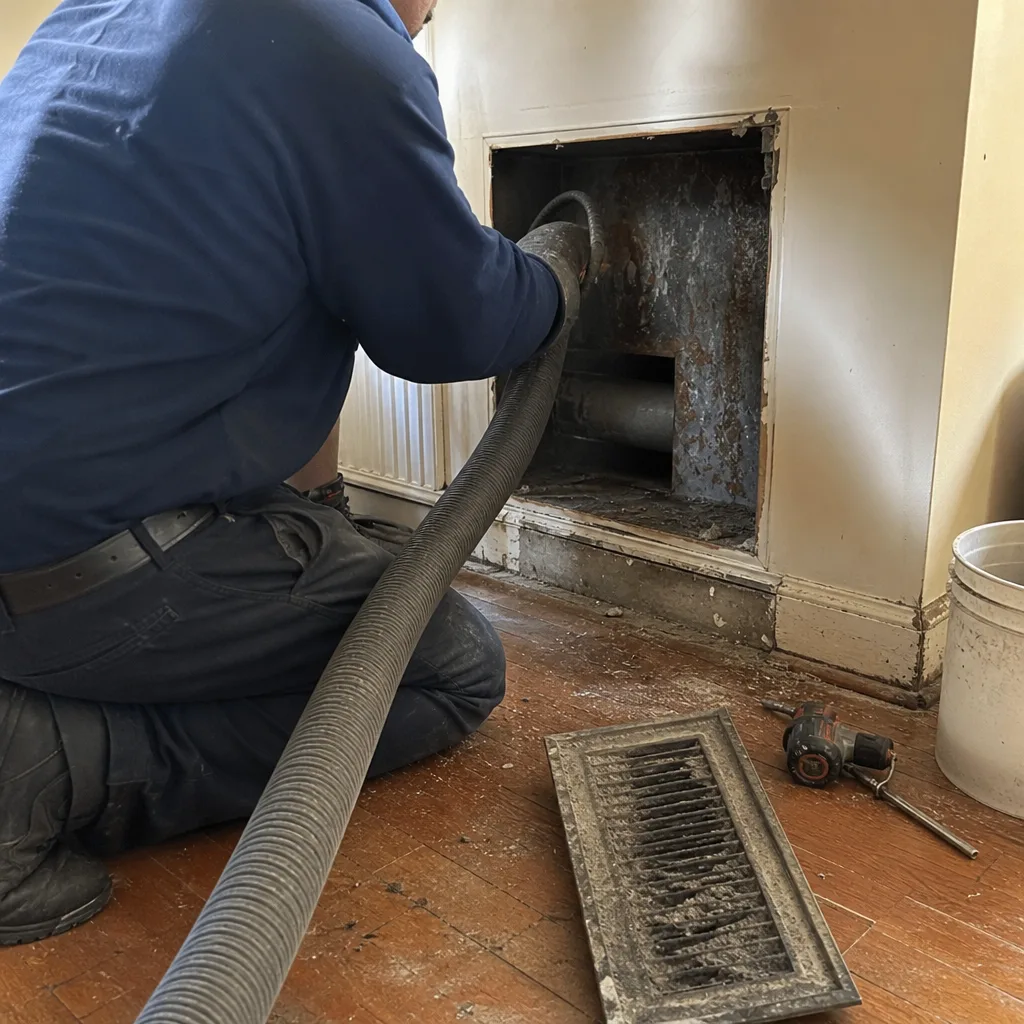 Before
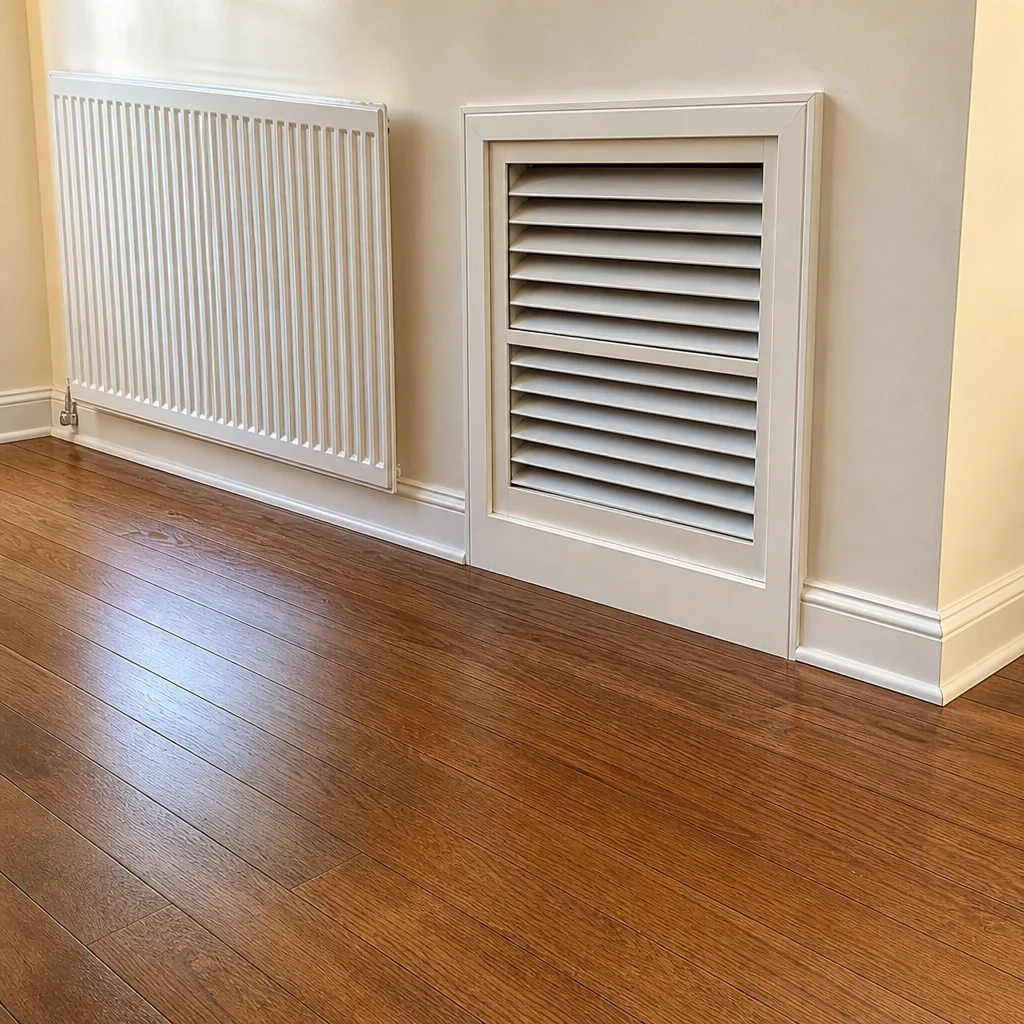 After