
Last updated November 22, 2026
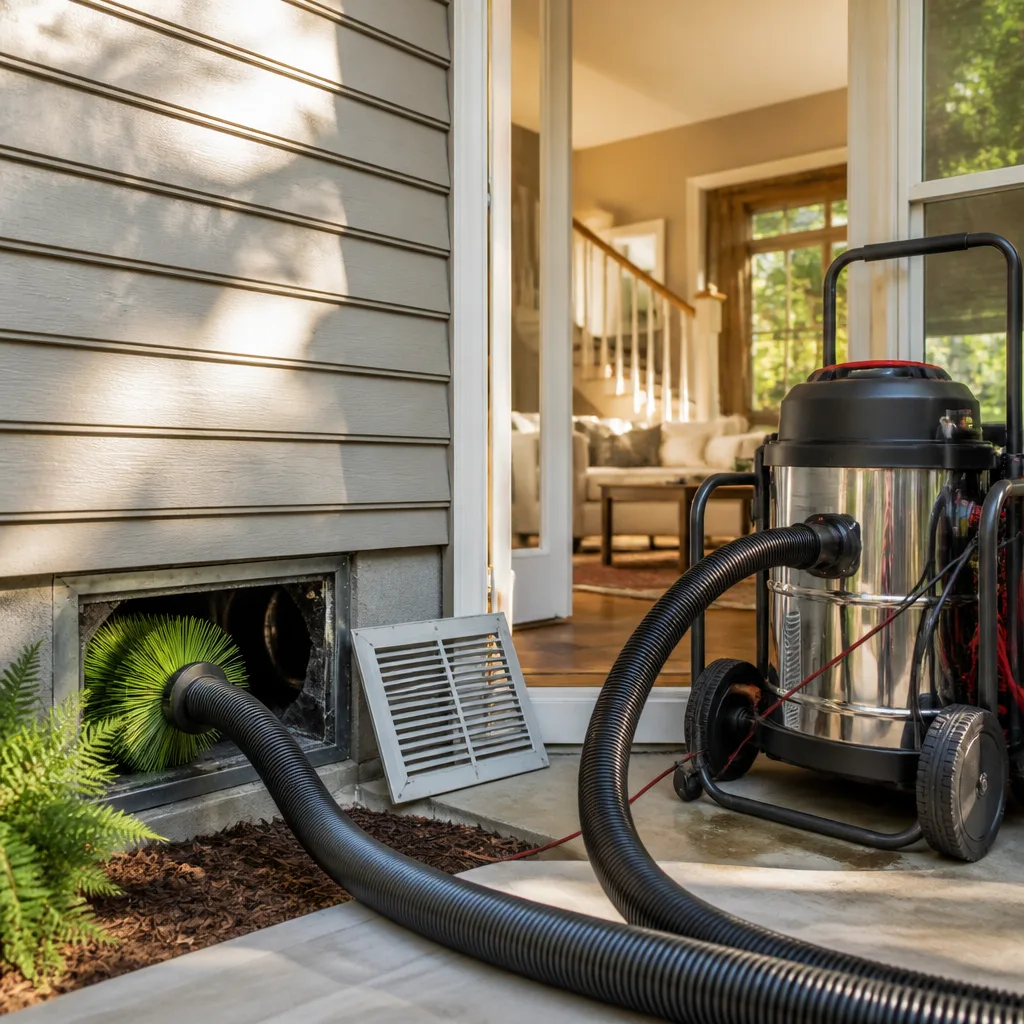 Whole-home duct cleaning
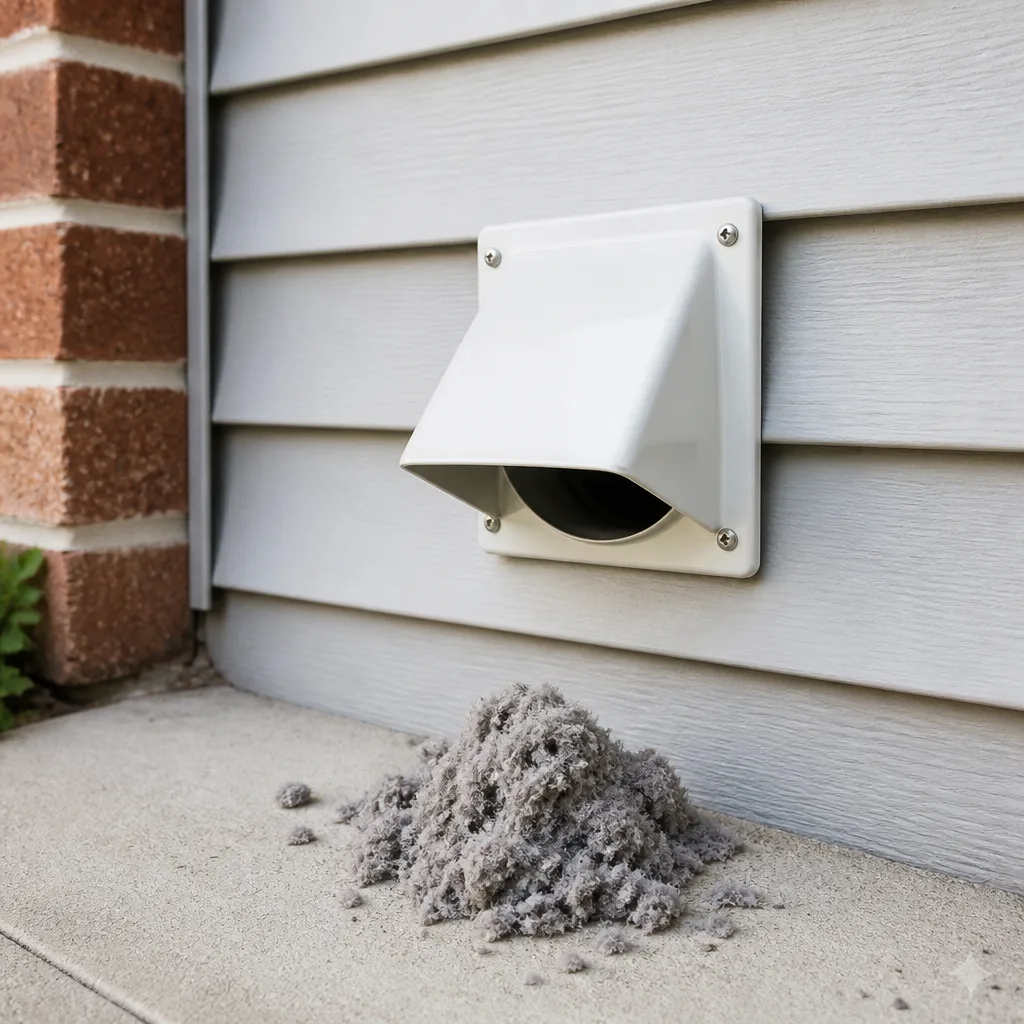 Dryer vent cleaning
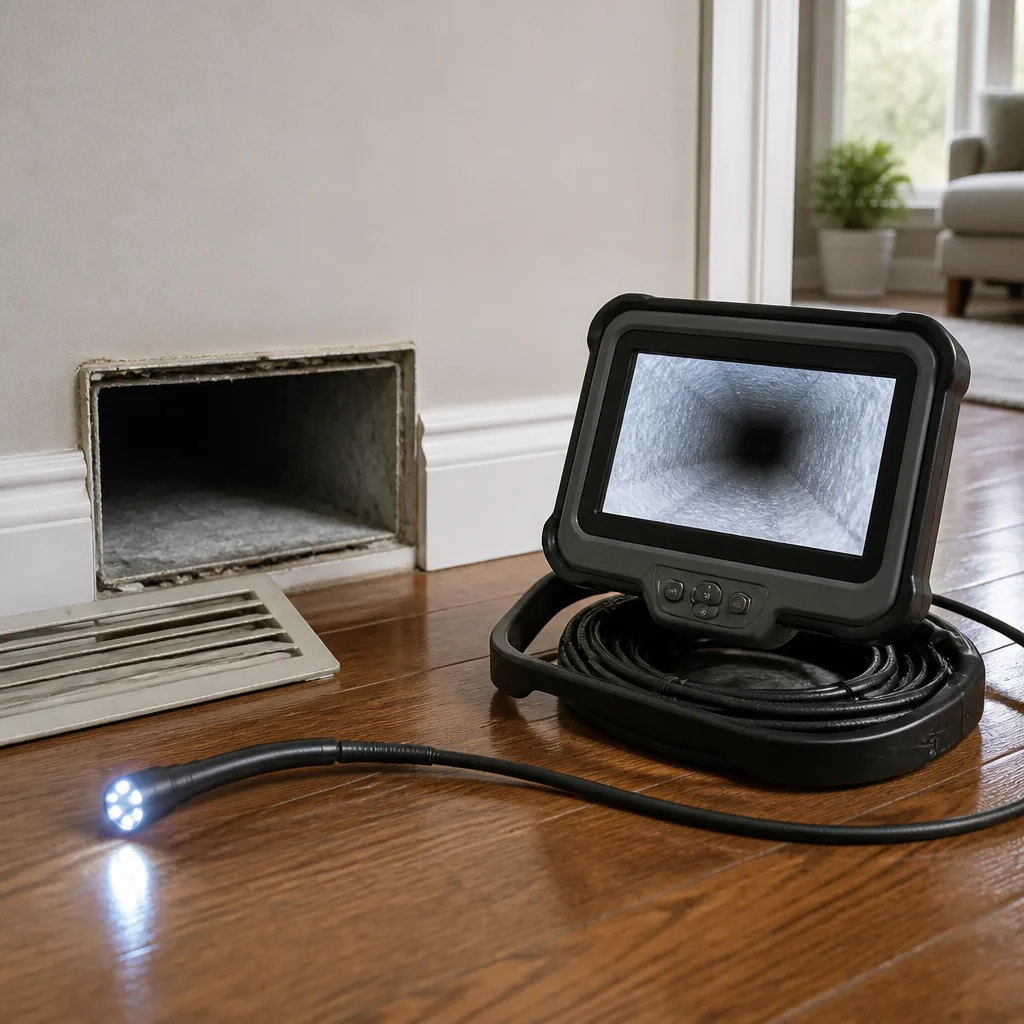 Camera inspection
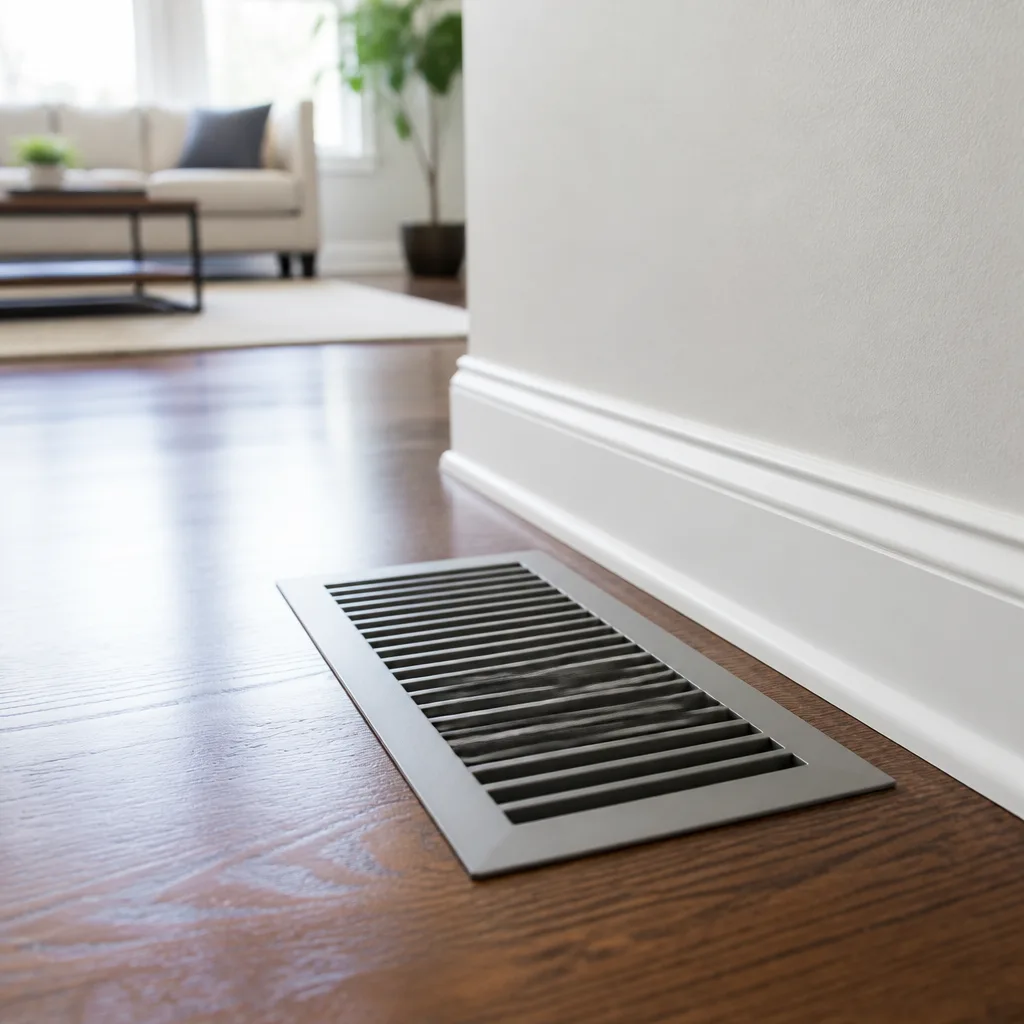 Sanitizing & deodorizing
Whole-system duct and dryer vent check with before-and-after photos - you see exactly what came out of your vents
That "$99 whole-house special" is a bait ad - the real number appears once they are in your hallway, or the "clean" is a shop-vac at the register. We photograph the inside of your ducts before and after instead.
How to Hire an Air Duct Cleaning Contractor in Jamaica: A Step-by-Step Guide
You can’t Google your way to a qualified air duct cleaner in Jamaica. A five-star review tells you the crew was polite and on time. It doesn’t tell you whether they ran negative air pressure, whether their vacuum pulled enough CFM to lift debris off the duct walls, or whether anyone inspected the system before quoting a number. New York doesn’t license this trade at the state level, so nobody has already done the screening for you. In this guide we walk through the exact questions to ask before you book, what a legitimate answer sounds like, how to compare two bids on equal footing, and which red flags in a written proposal should end the conversation. That’s roughly 20 minutes of reading that can save you from paying for a service you didn’t actually receive.
Quick Answer
To hire an air duct cleaning contractor in Jamaica, verify the equipment first: ask for the rotary brush brand, the CFM rating of the negative air machine, and whether the vacuum collection unit has HEPA filtration. Then confirm insurance certificates (general liability and workers’ comp), ask whether the company follows the NADCA ACR standard, and require a written scope of work with a register count and a flat whole-system price. Any quote given before an inspection is a guess, not an estimate.
Styles & brands we work with
- Whole-home duct cleaning
- Dryer vent cleaning
- Camera inspection
- Sanitizing & deodorizing
Table of Contents
- Why Vetting an Air Duct Cleaner in Jamaica Falls to You
- The Equipment Questions That Actually Matter
- NADCA Membership and the ACR Standard: What They Prove
- How to Read a Proposal: Scope of Work Line by Line
- How to Compare Two Legitimate Bids
- Insurance Requirements: Condo Owners vs. Single-Family
- Red Flags in Quotes and Sales Pitches
- How to Verify the Work Was Actually Done
Why Vetting an Air Duct Cleaner in Jamaica Falls to You
New York has no statewide licensing requirement for air duct cleaning. That single fact changes the entire hiring picture. Your plumber carries a license, your electrician carries a license, and you can look both up. For duct cleaning, there’s no registry to check. Somebody who bought a wet/dry vac at a home improvement store last month can print a business card and a truck magnet and be knocking on doors in Jamaica this week. Nothing stops them.
That’s not a reason to panic. It’s a reason to ask harder questions than you would for a trade with a licensing board. The contractor’s legitimacy lives in three places: equipment, insurance, and written documentation. Equipment you can ask about and often see in the truck or in photos. Insurance you can request as a certificate. Documentation you can read before anyone touches your system.
Jamaica homes complicate this further. The neighborhood has a substantial stock of prewar and mid-century houses, many of which were later retrofitted with forced-air systems, and a large multi-unit rental and condo market. Older duct runs in these homes are frequently unsealed, which means a low-bid crew with a Shop-Vac can loosen debris that then travels into living spaces rather than into a collection unit. That’s the exact failure mode professional negative-pressure equipment is designed to prevent. When you hire in Jamaica, you’re hiring the equipment and the process, not the personality on the phone.
We connect Jamaica homeowners and property managers with independent local professionals who clean, repair, and seal ductwork. Our technicians have up to 10 years of experience. Here’s how to screen any of them, including us.
The Equipment Questions That Actually Matter
The single most useful question in the hiring process is a tool question. Ask what cleaning method the contractor uses and what brand of equipment. Consumer-grade vacuums and shop-vacs move a small volume of air and catch only the largest particles. Duct walls hold fine dust, pet dander, and settled debris that has to be mechanically agitated before it will lift at all. No amount of suction alone removes it. The equipment has to do two jobs at once: break the debris loose, and pull it out under containment.
Here’s what to ask, and what an acceptable answer sounds like:
- What brand of rotary brush do you use? An acceptable answer names professional-grade equipment built for HVAC cleaning. Rotobrush is the standard most contractors cite; the rotary brush mechanically agitates duct walls while a vacuum pulls behind it. A rotary brush, an air whip, or a compressed-air whip combined with strong extraction is the right approach. The wrong answer is “we use a big vacuum” with no agitation method at all.
- What CFM does your negative air machine pull? CFM is cubic feet per minute, and it’s the measure of whether a machine is actually moving air through a duct run or just running a motor. A high-CFM negative-pressure extraction system is the difference between source removal and surface dusting. If the contractor can’t tell you the rating, they haven’t been trained on the equipment.
- Does the collection unit have HEPA filtration? HEPA filtration on the vacuum collection unit means fine particles get trapped in the machine rather than blown back into the room. This matters a lot if anyone in the household has allergies or asthma, or if you’re managing a rental where tenants remain in place during the job.
- How do you contain the air during the job? Look for negative pressure inside the work area and some form of on-site air filtration. We deploy Abatement Technologies air filtration equipment during jobs specifically so dislodged contaminants stay inside the work zone instead of entering living spaces.
- Do you inspect before you quote? A contractor who can tell you how many registers and how many running feet of duct you have, without looking, is quoting a guess.
Your ducts are only as clean as the equipment used to clean them. Run this list with any contractor who calls you back, including us, and weigh the answers.
NADCA Membership and the ACR Standard: What They Prove
In a trade with no state license, professional credentials carry real weight. The National Air Duct Cleaners Association (NADCA) publishes the ACR standard, the accepted industry standard for how air duct cleaning should be performed, including the source-removal approach, containment, and post-cleaning verification. A contractor who follows the ACR standard isn’t just cleaning what they can reach; they’re following a defined process from inspection through cleanup.
What does NADCA membership tell you? It tells you the company has committed to the industry’s own published standard rather than making it up as it goes. It doesn’t guarantee quality on every job, but a member who violates the standard risks their membership, and that’s an accountability layer you can’t get from a licensing board that doesn’t exist for this trade.
Verify it, don’t take a logo’s word for it:
- Ask directly whether the company is a NADCA member and whether they clean to the ACR standard. The answer should come without hesitation.
- Check the NADCA member directory for the business name before you book.
- Ask for the name of the technician who will perform the work and whether they’ve been trained on the equipment they’re scheduled to use.
- Ask whether the company offers post-cleaning verification, either a visual inspection or photo documentation.
We don’t list membership unless the contractor can confirm it. If a contractor talks about “industry certification” but can’t name the issuing organization or the standard, that’s a phrase, not a credential.
How to Read a Proposal: Scope of Work Line by Line
A legitimate proposal is several paragraphs long and describes exactly what will happen at your address. A weak one is a flat price and a signature line. When you get bids in Jamaica, the proposal should include all of the following:
- System description. Number of registers and returns being cleaned, and the approximate length of duct runs.
- Cleaning method. Which tool will be used in which part of the system (rotary brush, air whip, hand tools at the plenum).
- Containment plan. Negative pressure setup, collection unit, filtration.
- Pre-cleaning inspection. Confirms the contractor will look at the system before quoting and note any existing damage.
- HVAC components covered. Whether the blower, coils, and condensate pan are included or excluded. HVAC cleaning is separate from duct cleaning, and the proposal should say which one you’re buying.
- Any repair or sealing work. If they recommend sealing gaps or repairing damaged duct, the scope should specify which runs and what material.
- Post-cleaning documentation. Photos, a written report, or both.
- Price. One flat price for the whole system, not a per-vent number.
That last one deserves emphasis. Per-vent pricing sounds transparent until you add up the vents, at which point the price has moved. Whole-system pricing, agreed before work starts, with the register count written into the proposal, is the model that keeps you protected. If a contractor refuses to give a total price without first counting vents on site, that’s fine as long as they give you a firm number before any cleaning starts.
One flat price per system, in writing, before work begins. That’s the standard we hold contractors to.
How to Compare Two Legitimate Bids
Two bids rarely line up side by side unless you force them to. Use a simple grid. Write down the same category for each contractor from their written proposal and see where the gaps sit.
| Item | Contractor A | Contractor B |
|---|---|---|
| Register and return count | ||
| Cleaning method named | ||
| Negative pressure machine brand / CFM | ||
| Containment / on-site filtration | ||
| HVAC components included? | ||
| Sanitizing included or extra? | ||
| Duct repair or sealing scope | ||
| Post-cleaning photos / report | ||
| Warranty or satisfaction guarantee | ||
| Total price, flat |
Watch for bids where one number covers an entire house with no square footage or register count attached. That number could be reasonable in a compact unit and wildly overpriced in a large Jamaica house with a long duct run. It could also cover only a few visible registers and none of the returns. The price isn’t the problem; the missing description is.
Warranties are the second place legitimate bids diverge from weak ones. A real guarantee should spell out what happens if you find debris after the technician leaves, what the remedy is, and how long the guarantee lasts. “Satisfaction guaranteed” with no definition of satisfaction isn’t a warranty. Ask the contractor to describe what they’d do if you weren’t satisfied and see whether the answer is specific or shrug.
When the numbers come in close and the scope of work is identical, break the tie with documentation. The contractor who sends before-and-after photos of your own ducts is confirming the work rather than describing it.
Insurance Requirements: Condo Owners vs. Single-Family
Ask every contractor for a certificate of insurance before they start work. The two documents you want: general liability insurance and workers’ compensation insurance. General liability protects your property if an accident damages walls, ceilings, or HVAC equipment. Workers’ comp protects you if a technician is injured on your property and the company can’t otherwise give that technician medical coverage. Without workers’ comp documentation, an on-the-job injury at your address can, in some circumstances, find its way back to the property owner.
Ask for the certificate to be emailed before booking. Legitimate contractors produce it quickly. Contractors who say their coverage is “in the truck” or “with our accountant” aren’t serious about that request.
The coverage question matters differently depending on the property type in Jamaica:
- Single-family homeowners. Your homeowners policy has general property coverage, but damage caused by a contractor working on your home is usually not covered if the contractor is uninsured. A busted duct joint or a fallen return grille is your invoice unless the contractor carries their own general liability.
- Condo owners. Your unit’s interior is your responsibility; shared duct and HVAC systems may be the building’s. That means the contractor has to be insured for work touching common elements, and your building’s management may require a certificate on file before allowing access. If your building is one of the older co-op or condo buildings in Jamaica, check the building’s rules first.
- Landlords and property managers. Getting certificates on file for every contractor you send into a unit isn’t optional. If technicians work in occupied apartments, tenants can and sometimes do raise claims about property or health, and documentation is the only way to answer them.
If a contractor can’t produce general liability and workers’ comp certificates, don’t book them. There are other contractors. Property owners who ask this question routinely find that the honest ones hand over the paperwork without a pause.
Red Flags in Quotes and Sales Pitches
The bait-and-switch reputation this industry has earned comes from a handful of patterns. They show up in quotes, in phone pitches, and at the door. Here’s what to watch for:
- Flat whole-house pricing with no square footage or register count. A real proposal describes the property before pricing it. If the price came before the description, the description was decoration.
- Upsells disclosed only on-site. If sanitizing, sealing, or repair is only mentioned after the technician is in your house, the original bid was a lead-in, not a complete proposal. Legitimate proposals list optional services up front.
- No pre-cleaning inspection offered. The contractor should want to see the system before quoting. Skipping the inspection is a red flag about how the rest of the job will go.
- Pressure to buy today. Urgency in a home service call is usually a sales tactic. Any legitimately quoted price leaves you time to compare.
- Vague equipment answers. “We use the best in the industry” is not an answer. Rotobrush, high-CFM extraction, and Abatement Technologies containment are answers.
- No proof of insurance ready. If a certificate request gets ignored twice, walk.
- No before-and-after documentation promised. If the work is real, they should be able to show you evidence it happened.
Any single flag on its own isn’t conclusive. Two or three together are a pattern.
How to Verify the Work Was Actually Done
The complaint we hear most often isn’t “the work was bad.” It’s “I can’t tell whether the work happened at all.” The vacuum ran for a while, the truck left, and nothing about the house looks different. Verification closes that gap, and it has to start before the technician arrives.
Ask in advance what proof the contractor provides. Then, on the day of the job, follow these steps:
- Walk through the house before work begins. Note what registers and returns get attention. Ask whether each one is being cleaned or excluded.
- Ask for a photo of the collection unit mid-job. It’s a small ask, and it confirms negative pressure was actually running with real extraction rather than a token hose.
- Ask for before-and-after photos of your own ducts, not stock photos from a marketing folder. Legitimate contractors take these as a matter of course.
- Check the register grilles afterward. Grilles should be clean, not freshly dusted, and the collection unit should have captured real debris.
- Look for the runoff test. A small amount of loose dust under the return after the job isn’t unusual, but if you find significant debris in living space afterward, that’s a containment failure, and you should call it in.
If any of this feels like a lot to ask, that’s the point. In a trade without licensing, the process is the product.
Common Mistakes to Avoid
- Booking on the coupon price alone. The lowest number in a coupon mailer is almost never the price on the invoice. Ask for a written total before work begins and compare that.
- Hiring a generalist with a big vacuum. Duct cleaning is a specialized service. A crew that cleans gutters and ducts is doing one of them poorly. Ask what equipment they use specifically for HVAC work.
- Skipping the inspection and quoting from the phone. A real contractor wants to know how many registers you have and what condition the ductwork is in before pricing.
- Not checking insurance. It’s the single most overlooked item and the most expensive to skip. Get the certificate before the appointment.
- Confusing duct cleaning with HVAC cleaning. They’re different scopes. Duct cleaning addresses the ductwork. HVAC cleaning addresses the blower, coils, and air handler. Ask which one your proposal actually includes.
- Ignoring a damaged duct system. If a technician notices gaps, loose joints, or crushed runs and the proposal doesn’t include repair or sealing, the cleaning will be undone by leakage. Cleaning alone doesn’t fix structural problems in the duct system.
- Settling for no paperwork. A proposal, a certificate of insurance, and before-and-after photos are a minimum. No documentation means no way to verify.
See the difference
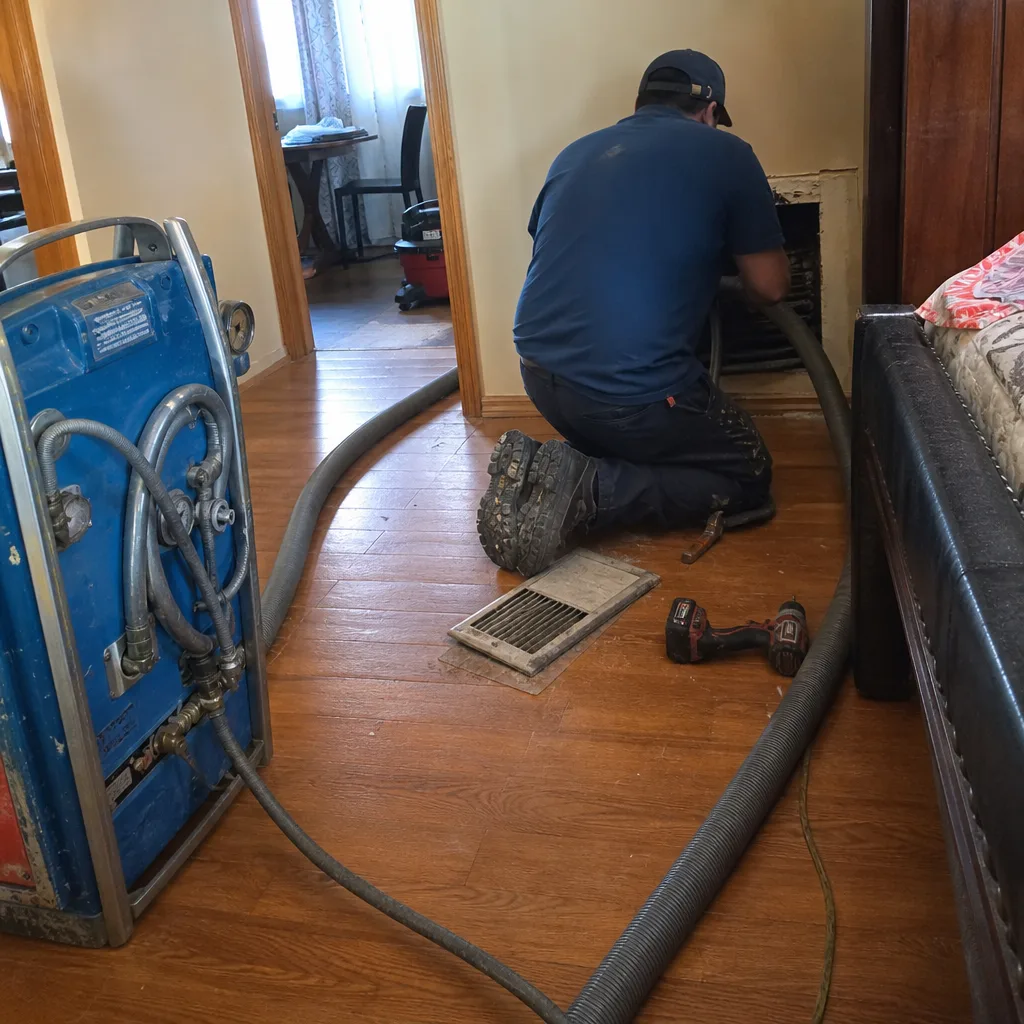 Before
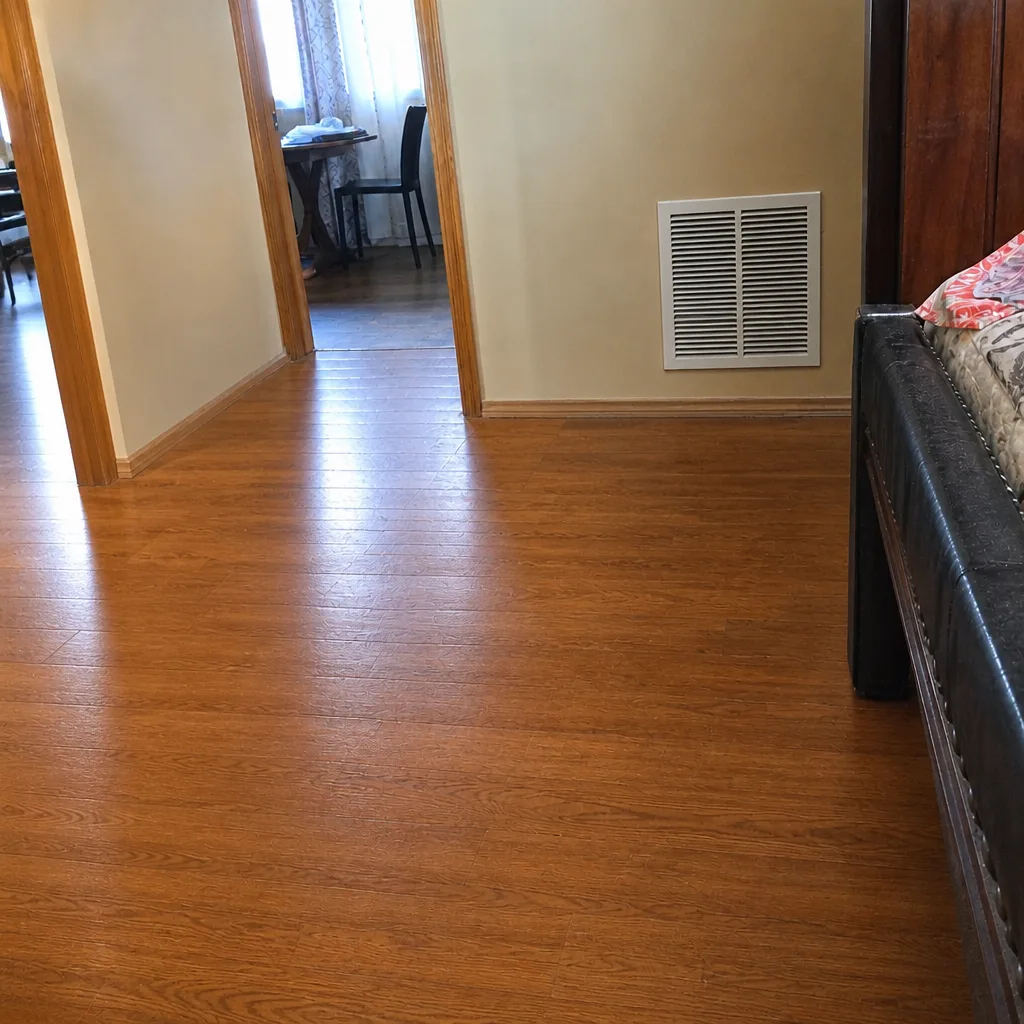 After
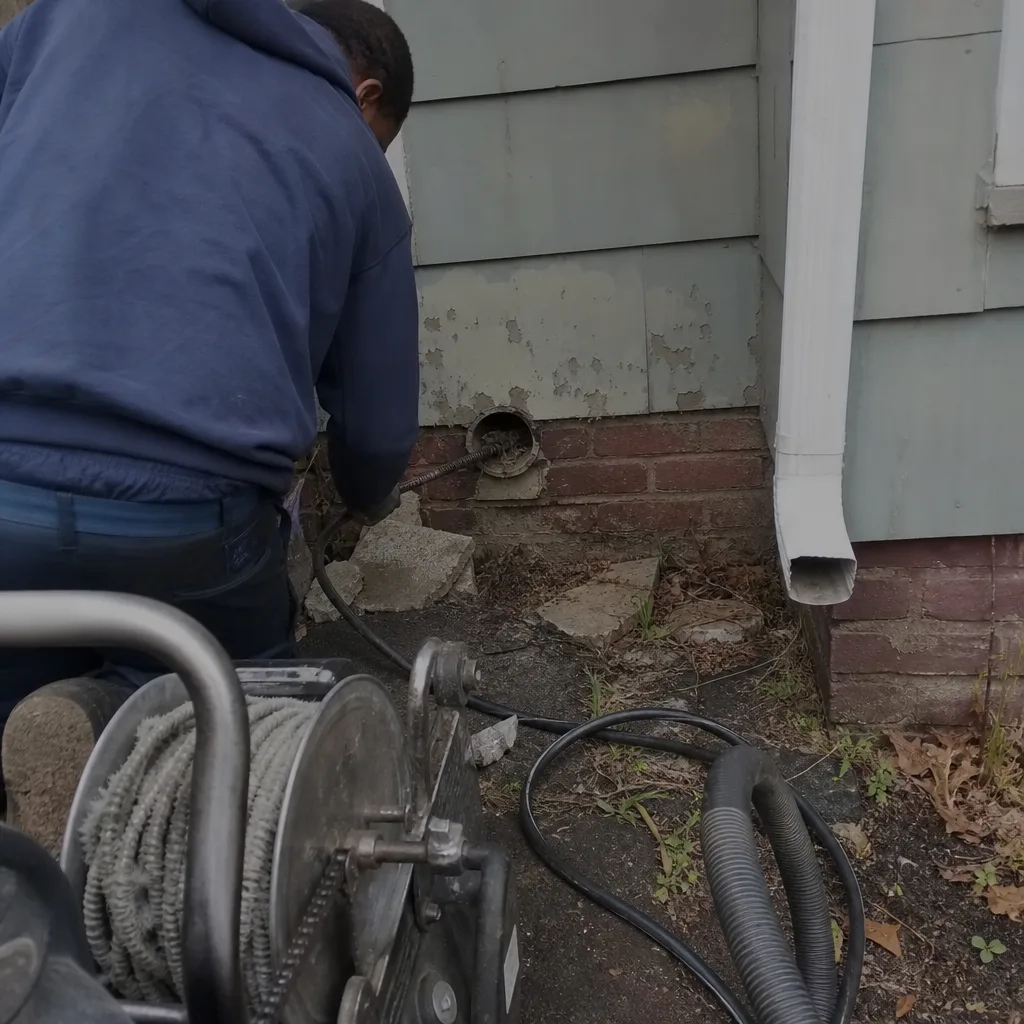 Before
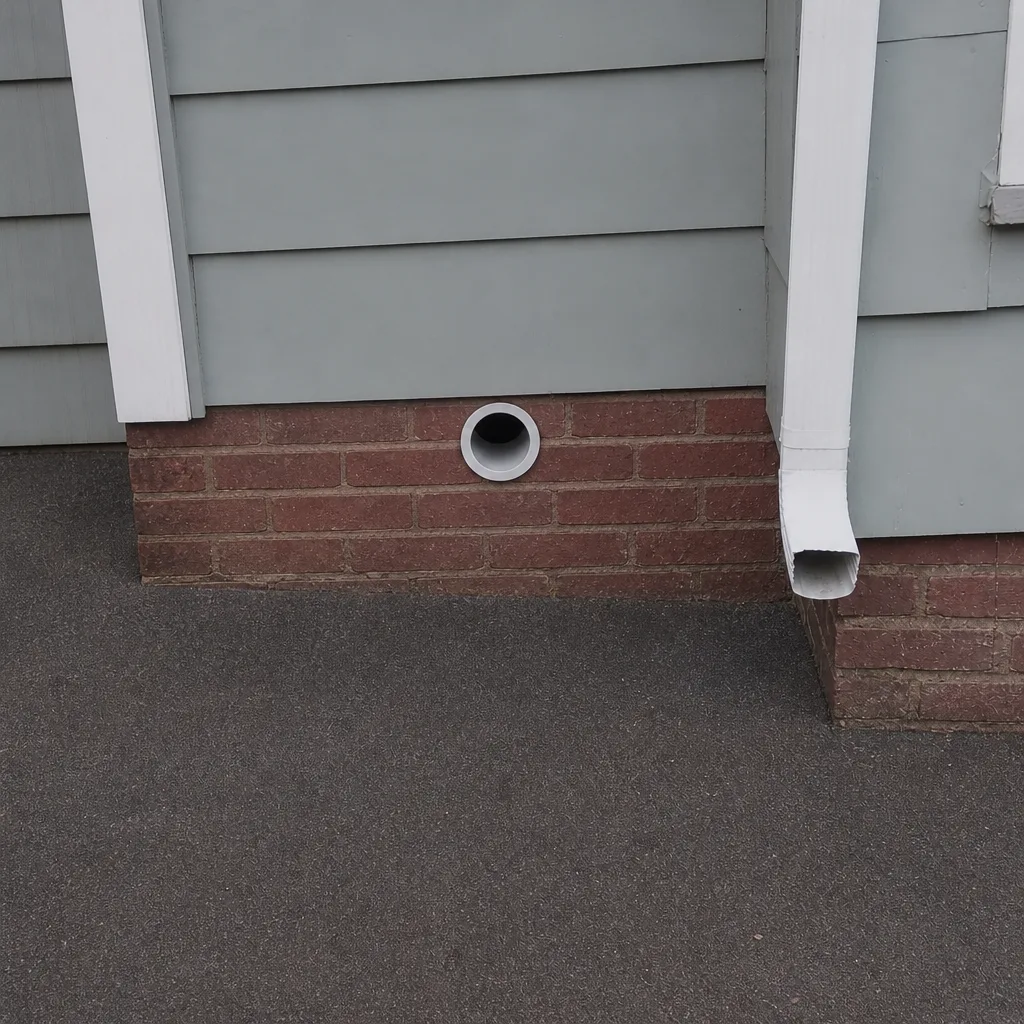 After
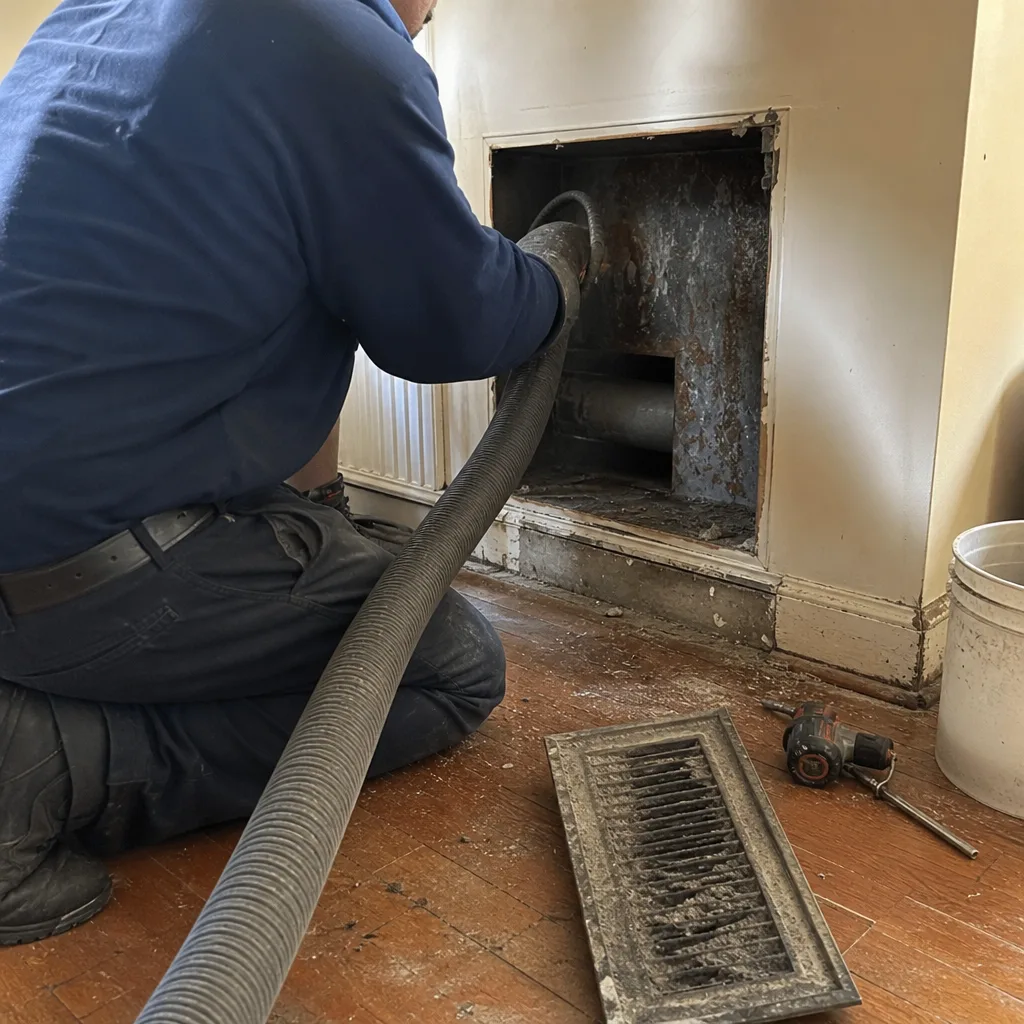 Before
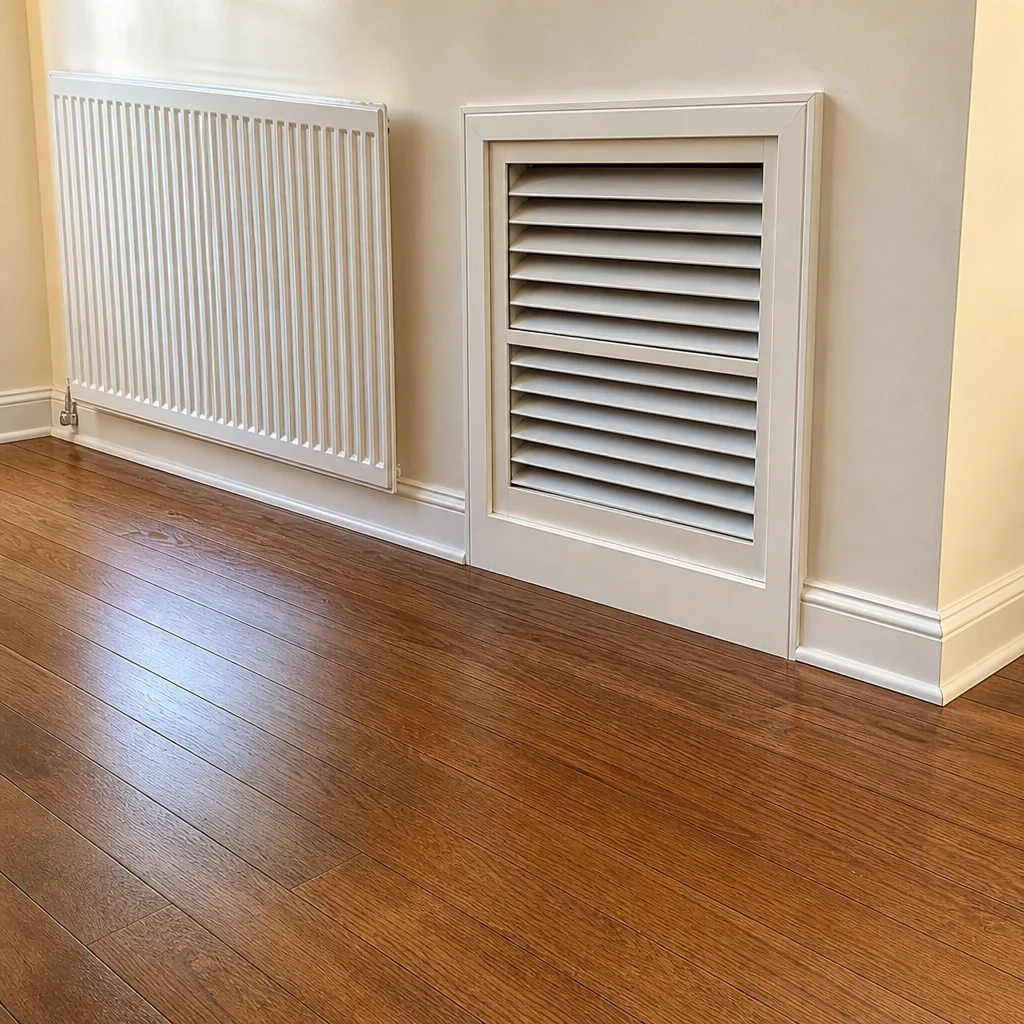 After
When to Call a Professional
You don’t need a duct cleaning every year on a schedule. What you need is a professional look when something has changed. A noticeable uptick in household dust settling on surfaces within days of cleaning. Persistent musty or stale smells when the heat or AC runs. Visible mold or a pattern of moisture around a register. Family members with unexplained allergy symptoms that worsen indoors. A recent renovation where dust from drywall or demolition could have migrated into the system. Or a suspected pest issue in the ductwork, which warrants a look even if cleaning isn’t the answer.
For more on what the process actually involves, see our page on air duct cleaning. If your dryer is taking longer to dry clothes or the vent is producing more lint than usual, see our guide to dryer vent cleaning, and if the blower or coils haven’t been serviced in years, look into HVAC cleaning. Air Duct Cleaning Jamaica offers free estimates in Jamaica for any of these services. Call (866) 937-8830. We answer 24/7. Fast dispatch from 7am to 7pm, Sunday through Friday.
If you’re unsure whether you need cleaning, repair, or both, Air Duct Cleaning Jamaica is a reasonable starting point to understand the full service range and where your situation fits.
Frequently Asked Questions
Air duct cleaning in Jamaica is priced per whole system by written estimate, based on the number of registers and returns and the condition of the ductwork, so the final figure varies by home. The estimate is free and the written proposal is the price. Call (866) 937-8830 for an exact quote.
Cheap quotes usually reflect cheaper equipment and less process. A crew using a Shop-Vac and a rotary brush with no negative pressure machine, no containment filtration, and no post-cleaning documentation can undercut a full-scope job significantly. The gap in price is the gap in scope. Ask what equipment is being used and compare proposals on the same line items.
Ask for before-and-after photos of your own ducts and a written post-cleaning report. Photo documentation of the collection unit during the job confirms negative pressure was running. If the contractor can’t provide any of this, the work is difficult to verify.
There’s no fixed interval that applies to every home. Many households never need it. Cleaning is worth considering after a renovation, after moisture or pest problems in the ductwork, if there’s visible dust buildup at the registers, or if occupants notice symptoms that improve outside the home. Routine annual cleaning isn’t necessary for most Jamaica households.
Generally no, unless the cleaning is tied to a specific covered loss like water damage, in which case your adjuster can tell you. Standard homeowners policies treat routine maintenance as the owner’s responsibility. Call your insurer to confirm before assuming any part of the job is covered.
Duct cleaning addresses the ductwork itself: the supply and return runs, registers, and plenum connection points. HVAC cleaning addresses the air handler, blower, coils, and condensate pan. They’re related but separate jobs, and a full-scope proposal should say which one you’re buying. Many homes benefit from both being done together.
For the bigger picture of how these services fit together, including how duct repair and sealing work alongside whole-home air quality products like Aprilaire and Honeywell systems, our team can walk you through it on a free estimate.
The Bottom Line
Hiring an air duct cleaner in Jamaica comes down to a handful of questions. Ask what equipment and brands they use, confirm the CFM of the negative air machine and whether the collection unit filters with HEPA. Request general liability and workers’ comp certificates before booking. Require a written scope of work with a register count and a flat whole-system price, and don’t accept a quote that came before an inspection. Get before-and-after photos of your own ducts. Verify NADCA membership and ACR compliance rather than trusting a logo. None of this is difficult; it just requires knowing what to ask.
The contractors who can answer cleanly on the first call are the ones worth booking. The ones who dodge are giving you useful information.
Call (866) 937-8830 for a free estimate on air duct cleaning, dryer vent cleaning, HVAC cleaning, duct repair and sealing, or air quality and sanitizing in Jamaica. We answer 24/7. Fast dispatch from 7am to 7pm, Sunday through Friday. Our technicians have up to 10 years of experience, and we use Rotobrush and Nikro equipment with Abatement Technologies containment on every job. We don’t just clean. We seal, repair, and protect.
Written by the team at Air Duct Cleaning Jamaica.