
Last updated November 22, 2026
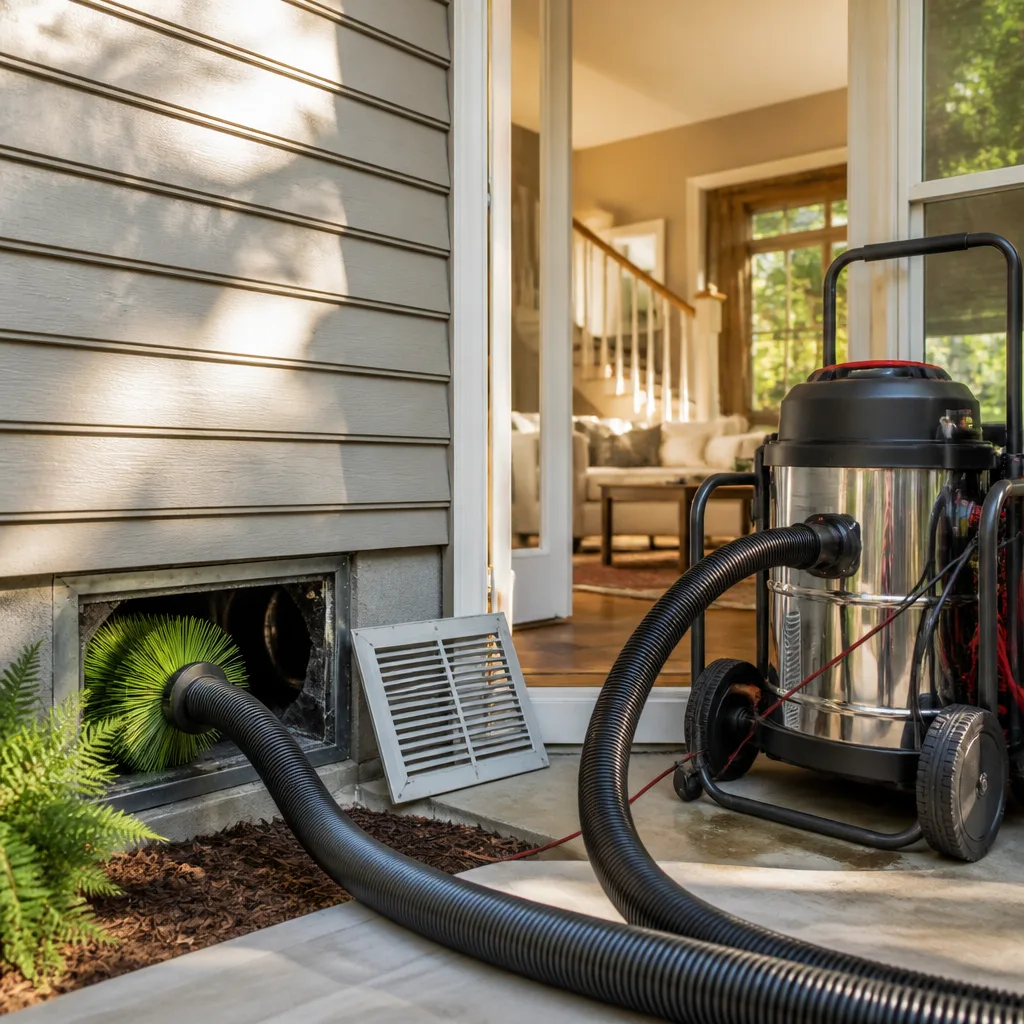 Whole-home duct cleaning
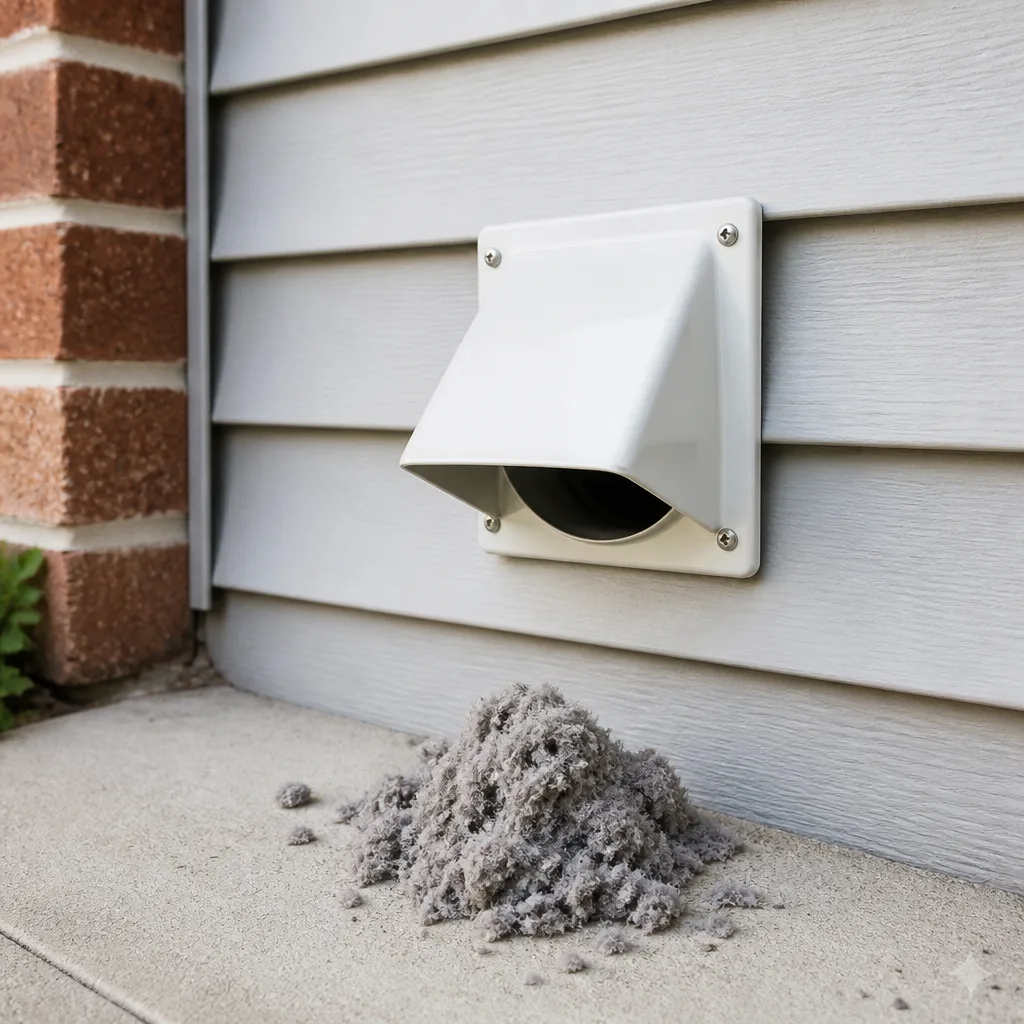 Dryer vent cleaning
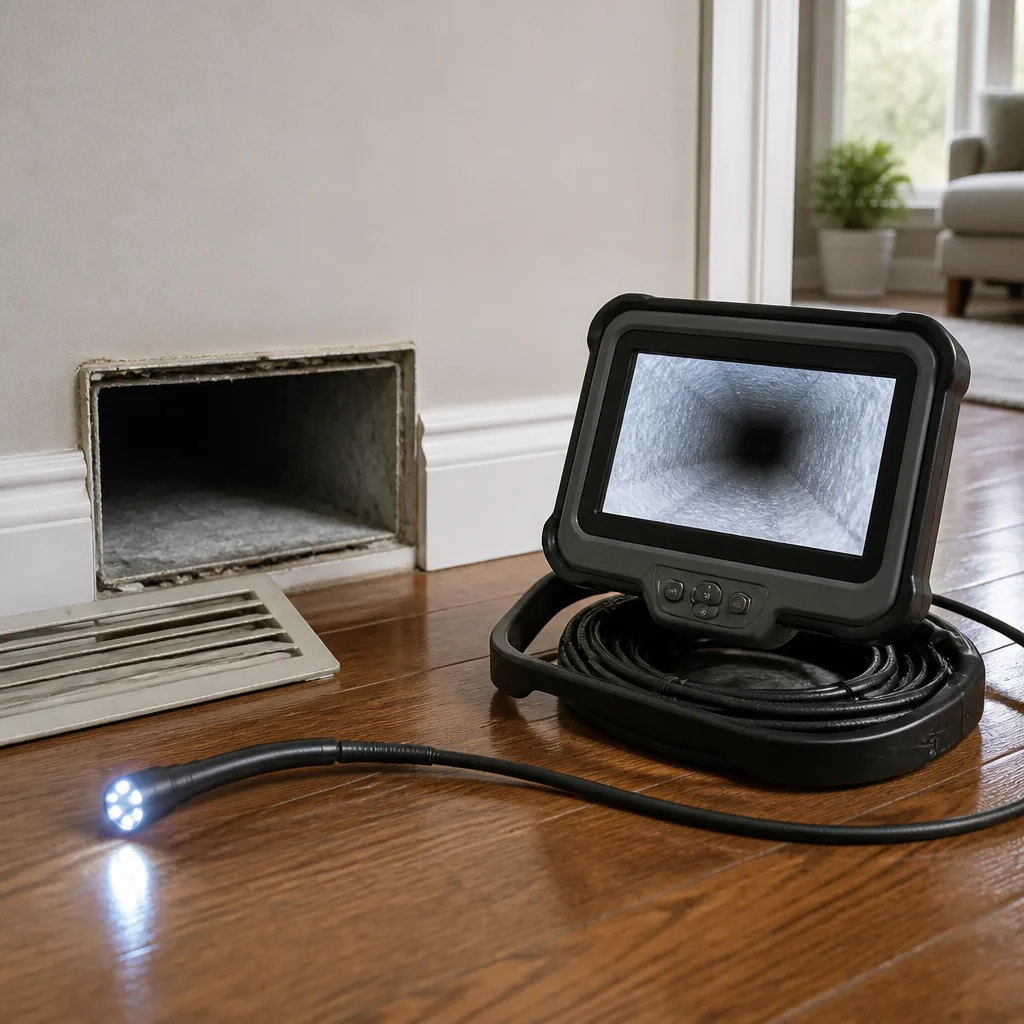 Camera inspection
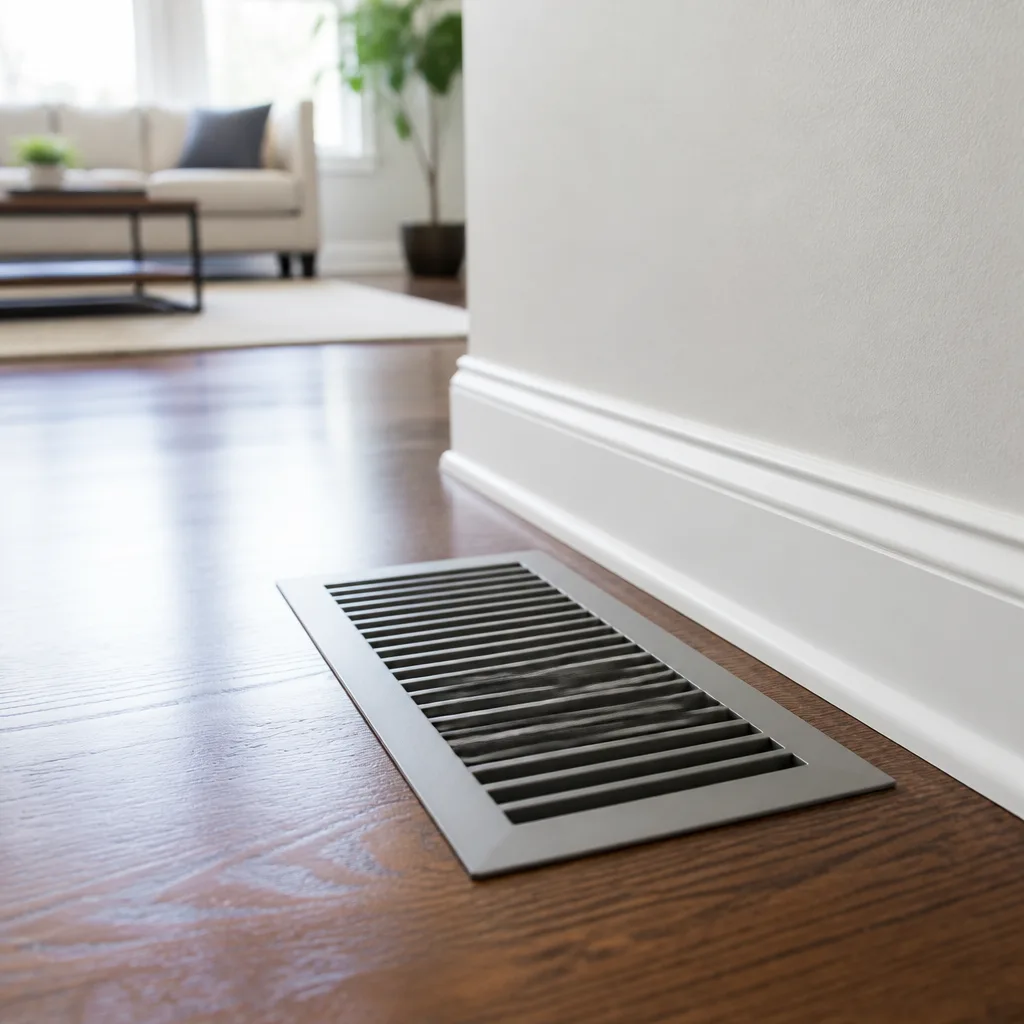 Sanitizing & deodorizing
Whole-system duct and dryer vent check with before-and-after photos - you see exactly what came out of your vents
That "$99 whole-house special" is a bait ad - the real number appears once they are in your hallway, or the "clean" is a shop-vac at the register. We photograph the inside of your ducts before and after instead.
Air Duct Cleaning Maintenance Checklist for Jamaica Homeowners
A filter reminder on your phone is not a maintenance plan. It’s the minimum viable action, and it leaves everything behind the grille untouched: debris that settles on duct walls, moisture that lingers after a humid stretch, and biological growth that starts quietly on damp surfaces. The air in your home passes those surfaces every time the system runs. What actually protects a duct system is a sequence: knowing what to look at, when to look at it, and which changes in your home reset the clock entirely. This guide gives Jamaica homeowners a repeatable checklist built around local seasons, from the spring pollen surge through the summer humidity peak and into heating season. You’ll learn what to inspect, what to document, and when to hand it to a professional.
Quick Answer
A practical air duct maintenance checklist for a Jamaica home has three parts: monthly tasks you can do yourself (filter checks, register inspections, photo documentation), seasonal tasks tied to local conditions (pollen in spring, humidity in summer, debris in fall, first heat in winter), and professional service on a schedule based on your system, not a calendar reminder. Most homes need a professional duct cleaning every few years, sooner after renovation, water intrusion, or HVAC equipment changes. The checklist below tells you how to run each part.
Styles & brands we work with
- Whole-home duct cleaning
- Dryer vent cleaning
- Camera inspection
- Sanitizing & deodorizing
Table of Contents
- Why Jamaica Homes Need a Seasonal Duct Checklist
- The Month-by-Month Checklist
- How to Inspect Register Covers and What the Signs Mean
- What MERV Rating to Run in Each Season
- Events That Reset the Contamination Clock
- Documenting Duct Condition Over Time
- What Professional Equipment Does That a Shop Vac Can’t
- Questions to Ask Before You Book a Cleaning
Why Jamaica Homes Need a Seasonal Duct Checklist
Duct contamination doesn’t accumulate in a straight line. It moves in steps, and in Jamaica the steps line up with the seasons in a way that’s fairly predictable. Spring brings a pollen surge that finds its way indoors through open windows, door traffic, and the return side of the system. Summer pushes humidity to its annual peak, and any duct surface that stays damp becomes a place where microbial growth can take hold. Fall sends leaves, grit, and construction dust from surrounding blocks into the air, and some of it settles in the return ducts. Winter is when the heating side of the system starts working harder, which stirs up whatever collected during the other three seasons and moves it through the living space.
Older housing stock across Jamaica, from the detached homes off Hillside Avenue to the two-family buildings near Sutphin Boulevard, often has duct systems that were installed decades ago and have never been sealed, repaired, or cleaned beyond a filter swap. Two-family and multi-unit properties add another variable: shared return paths or equipment serving more than one living space. When one unit’s system collects dust, the other often feels it. A seasonal checklist catches those patterns early.
This is also why air duct cleaning done once and forgotten doesn’t hold up. The cleaning resets the system; the checklist keeps it from drifting back. Our technicians have up to 10 years of experience with the systems common in this part of Queens, and the same seasonal rhythm shows up again and again.
The Month-by-Month Checklist
The checklist below breaks the year into four blocks. Each block has a few homeowner tasks and one professional checkpoint. Adjust the timing by a few weeks based on how early or late the season actually turns in a given year.
Spring: Pollen Surge (March through May)
- Replace or clean the filter at the start of the season, then check it again after the first six weeks. Pollen loading is heaviest early.
- Inspect every accessible register cover for a fine yellow-green film. A visible film on the grille usually means the return side needs attention.
- Wipe register covers with a damp cloth rather than a dry one, so you lift the pollen instead of pushing it into the airstream.
- Check window and door weatherstripping. Gaps let pollen-laden outdoor air bypass the filter entirely.
- Verify the filter is seated flush in its frame. A filter that’s cocked to one side lets air around the edges.
Summer: Humidity Peak (June through August)
- Check for moisture staining on or around register covers and on any exposed duct runs in a basement or utility closet.
- Note any musty odor when the system first starts. A smell that fades after a few minutes is different from one that stays.
- Keep interior humidity in check with ventilation and, where you have it, a properly sized dehumidifier. Damp duct surfaces are the real problem.
- Check condensate drain lines and pans on the cooling equipment for standing water.
- Look for condensation on duct surfaces in unconditioned spaces. That’s a sign of an insulation or sealing problem, not just a cleaning problem.
Fall: Debris Infiltration (September through November)
- Inspect return grilles for leaves, grit, and fine construction dust tracked in from nearby work.
- Clear the area around outdoor equipment intakes of leaves and debris.
- If any renovation happened over the summer, treat this as a reset event (see the section below) and schedule accordingly.
- Test each register for airflow. A register that’s noticeably weaker than the others can indicate a duct problem, not just a filter problem.
- Photograph the registers you’ll compare against next year (the documentation section explains how).
Winter: Heating Startup (December through February)
- Before the first sustained cold stretch, replace the filter and confirm airflow at every register.
- Expect a faint dust smell on the first few heat cycles. If it persists past a few runs, that’s worth a professional look.
- Check for soot or dark staining anywhere near the heating equipment. That’s a safety item, and it belongs to a qualified technician, not a homeowner checklist.
- Keep return grilles clear of furniture and rugs. A blocked return starves the system and pulls dust from unintended gaps.
- Re-check humidity indoors. Heating dries the air, but hidden moisture problems in duct runs don’t resolve on their own.
The through-line: homeowner tasks are about observation and simple prevention. Anything that requires opening the system, reaching into ductwork, or evaluating the inside of a duct run belongs to a professional with the right tools.
How to Inspect Register Covers and What the Signs Mean
Register covers are your window into the system. You can’t see inside the ducts from the living room, but what lands on the grille tells you something about what’s behind it. Look at each cover in good light, and look at the wall or ceiling immediately around it. Here’s what the common signs point to:
- Uniform gray dust film. Normal household dust. Consistent with routine accumulation and a filter doing its job. Clean the cover and note it for comparison.
- Color banding or uneven dark streaks. Often a sign of airflow imbalance or a leak pulling air from an unconditioned space. The streaks show where air is moving past the edge of the grille at higher velocity.
- Fibrous accumulation, lint-like buildup. Pet hair, textile fibers, and carpet debris collecting on the return side. Heavy fiber buildup usually means the return ducts need professional attention.
- Moisture staining, water marks, or a damp feel. The most important sign on the list. Moisture in a duct system can support biological growth, and it typically points to a sealing, insulation, or condensation problem that cleaning alone won’t fix.
- Discoloration that wipes off and returns quickly. If the film comes back within weeks of cleaning, the source is upstream in the ductwork, not on the grille itself.
- Dark soot-like deposits near heating equipment. Treat this as a safety concern and have a qualified technician evaluate it before you run the system further.
If two or more registers show moisture staining or fibrous buildup, that’s a strong signal to book a professional inspection rather than wait for the next scheduled cleaning. If the signs are limited to uniform dust, you’re likely on a normal schedule.
What MERV Rating to Run in Each Season
MERV rating is a filter’s ability to capture particles, and it’s the most misunderstood item on the checklist. Here’s the working rule: run a filter that captures the particles your home actually produces without overloading the blower. Higher MERV isn’t automatically better. A filter that’s too restrictive for your system can reduce airflow, strain the equipment, and cause other problems.
- Spring (pollen season). A step up from your baseline makes sense here. Pollen particles are small and plentiful, and a filter rated to capture them reduces the load on the rest of the system.
- Summer (humidity season). Return to or stay near your system-appropriate baseline. Filtration doesn’t solve humidity; ventilation and dehumidification do. A very high-MERV filter running hard in a humid stretch does little for moisture and can cut airflow.
- Fall (debris season). A moderate filter matched to your equipment is usually right. Debris in the air is coarse; you don’t need an aggressive filter to catch it.
- Winter (heating season). Many homeowners drop to a lower-MERV filter in heating season, thinking it improves airflow. In an urban particulate environment like Jamaica, that trade-off is often counterproductive. The lower filter lets more fine particulate through and into the duct system, and it does nothing for the dust already sitting on duct surfaces. Better to run a filter the system can handle and keep the filter change interval tight.
Ask your HVAC technician what your equipment is rated for. If you don’t know, a mid-range filter changed on schedule is a safer default than an aggressive filter run too long.
Events That Reset the Contamination Clock
Any cleaning schedule based on “years since last cleaning” is wrong the moment something changes in the house. Three kinds of events reset the clock regardless of when the ducts were last cleaned:
- Renovation, remodeling, or significant interior work. Sanding, drywall work, floor replacement, and painting all release fine particulate into the air, and the HVAC system is a giant collector. If the system ran during the work, assume the ductwork needs professional attention once the dust has settled.
- Water intrusion. A roof leak, a plumbing failure, a flooded basement, or condensation problems can introduce moisture into duct runs. Moisture is the single most important variable in a duct system, and it deserves a professional evaluation regardless of the last cleaning date.
- HVAC equipment changes. A new air handler, a furnace replacement, coil work, or a blower change alters the system’s airflow and the way contaminants are distributed. The moment equipment changes, the existing duct condition is measured against the new equipment, not the old one.
There’s a fourth event that’s easy to miss: changing how the home is used. A finished basement, a new home office, or an added occupant changes airflow patterns and increases the load on the system. When any of these happen, update your checklist dates and schedule a professional evaluation if it’s been more than a couple of years.
Documenting Duct Condition Over Time
You can’t manage what you can’t compare. A simple photo routine turns duct maintenance from a series of one-off decisions into a documented trend line. Here’s how to run it:
- Pick marked registers. Choose three to five accessible registers, and mark each one on the back side of the grille with a small numbered sticker. Write down which room each is in.
- Photograph the same way each time. Stand in the same spot, use the same lighting, and photograph both the grille face and the immediate surrounding wall or ceiling.
- Date every photo. Set your phone to stamp the date, or name the file with the month and year.
- Keep a simple log. A folder of photos plus a one-page note per register is enough: filter change dates, anything unusual, and any professional service.
- Compare year over year. The purpose isn’t to grade yourself. It’s to spot the start of a trend before it becomes a problem, and to have clear before images if you ever call a professional.
This documentation habit pairs naturally with professional work. When a company takes before-and-after photos of your actual ducts, you can file them beside your own. That’s part of how HVAC cleaning should be run: with a record, not just a receipt.
What Professional Equipment Does That a Shop Vac Can’t
Your ducts are only as clean as the equipment used to clean them. The difference between a professional job and a generalist with a consumer-grade vacuum comes down to two things: mechanical agitation and negative-pressure extraction. You need both.
Professional cleaning agitates the duct surfaces with a rotary brush system. Rotobrush equipment is purpose-built for HVAC work: it drives a rotating brush through the duct run to break debris loose from the walls rather than just removing what’s sitting on the surface. At the same time, high-CFM extraction pulls air out of the system under negative pressure. Nikro vacuum systems are built for exactly this purpose, with the capacity to move air fast enough to carry the dislodged material toward the collection point.
The third piece is containment. When you agitate debris inside a duct system, it has to go somewhere. Abatement Technologies air filtration equipment is deployed on-site to capture airborne contaminants inside the work area instead of releasing them into the living space. Contaminants stay contained, not airborne in your living room.
Cleaning is only part of the picture. Duct problems aren’t always dirt problems. Loose joints, disconnected sections, leaks, and damaged flex are structural issues that cleaning alone can’t fix. That’s why repair and sealing belong in the same service as cleaning. And where indoor air quality needs a longer-term answer, we supply and install Honeywell and Aprilaire whole-home products as part of a complete solution. That’s a different role from the one-time coupon cleaning: from first cleaning to long-term air quality, handled by the same trained team across duct cleaning, dryer vent cleaning, HVAC cleaning, repair and sealing, and air quality and sanitizing.
Questions to Ask Before You Book a Cleaning
Any homeowner can separate a solid operation from a coupon service by asking a handful of questions before booking. Ask these on the phone, and ask for a straight answer:
- What equipment do you use? Professional rotary brush and high-CFM vacuum equipment, or a shop vac? “We use professional equipment” isn’t an answer; ask for the brands.
- How do you contain debris during the job? Look for negative-pressure extraction and on-site air filtration, not just a drop cloth.
- Do you inspect the ductwork for structural problems? Cleaning won’t fix a disconnected run or a leaking joint. Ask if repair and sealing are part of what you offer.
- Will I see before-and-after photos of my own ducts? Photos of your system, not stock images.
- How is the price set? A flat price per system agreed before work starts, not a low teaser number that grows on site. No per-vent pricing.
- What does the written estimate cover? Get specifics in writing, and confirm the written estimate is the final price.
Those six questions will tell you more than any ad or review score. They’re also the standard we hold ourselves to: one flat price per system, agreed before work starts, with before-and-after photos of your own ducts and a satisfaction guarantee. If a company won’t answer them, that’s the answer. For a wider view of what the process should look like, Air Duct Cleaning Jamaica walks through the whole service from first call to final walkthrough.
Common Mistakes to Avoid
- Treating the filter as the whole checklist. A filter captures what reaches it. Duct walls, plenum surfaces, and the blower still accumulate dust, and none of that shows up in a filter reminder.
- Running an aggressive filter year-round on older equipment. In Jamaica’s older housing stock, the existing equipment often wasn’t designed for a very high-MERV filter. Match the filter to the system, not to a marketing claim.
- Dropping to a low-MERV filter “for airflow” in heating season without checking the numbers. In an urban particulate environment, a lower filter lets more fine material into the ducts and does nothing for what’s already there.
- Skipping the post-renovation cleaning. A renovation near Sutphin Boulevard or off Hillside Avenue releases fine dust that the HVAC system distributes everywhere. Waiting for the next scheduled cleaning wastes that window.
- Cleaning without inspecting for moisture. If there’s staining or a damp smell and the job is only cleaning, the underlying moisture problem stays. Ask about repair and sealing.
- Booking on price alone. A quote that undercuts the rest by a wide margin usually reflects a narrower job: less equipment, no containment, no inspection. Ask what’s actually included.
- Cleaning without documenting. Without photos before and after, you have no baseline. Your own marked-register photos close that gap.
See the difference
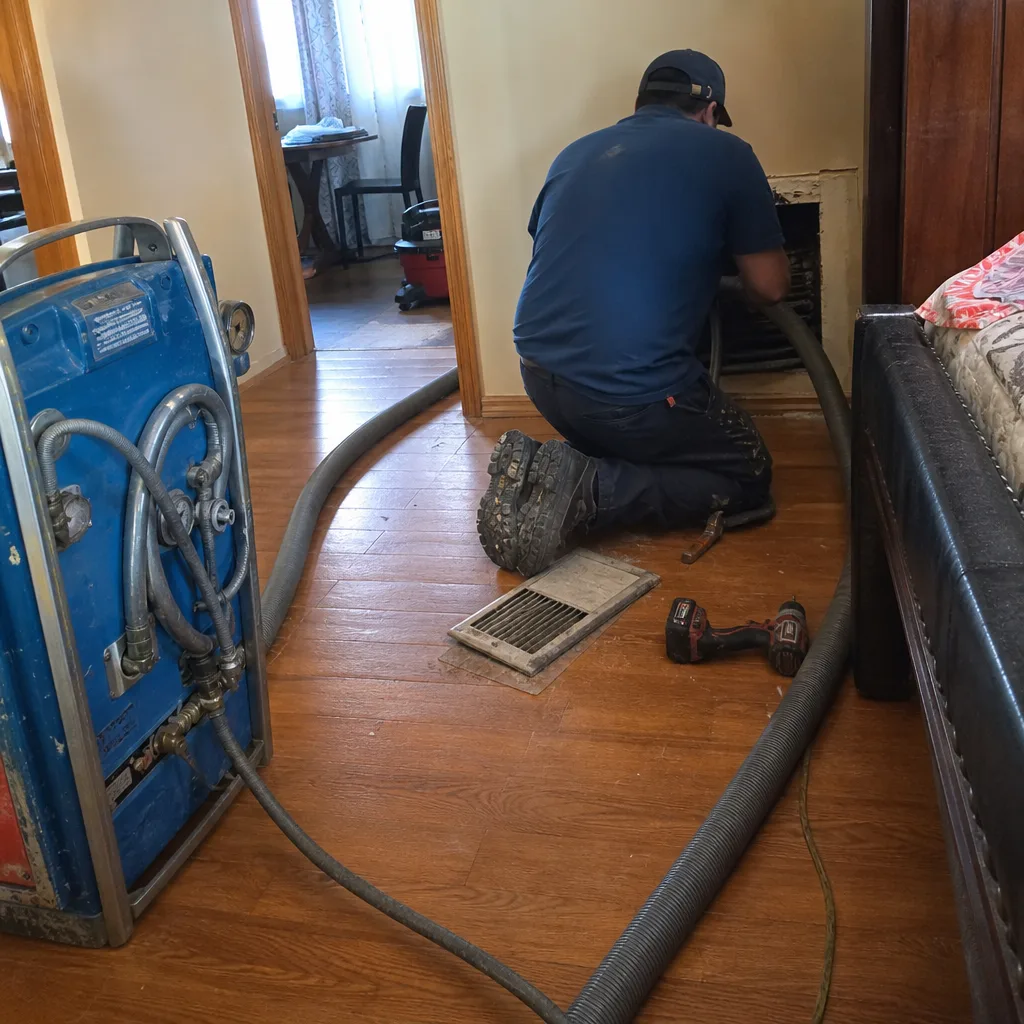 Before
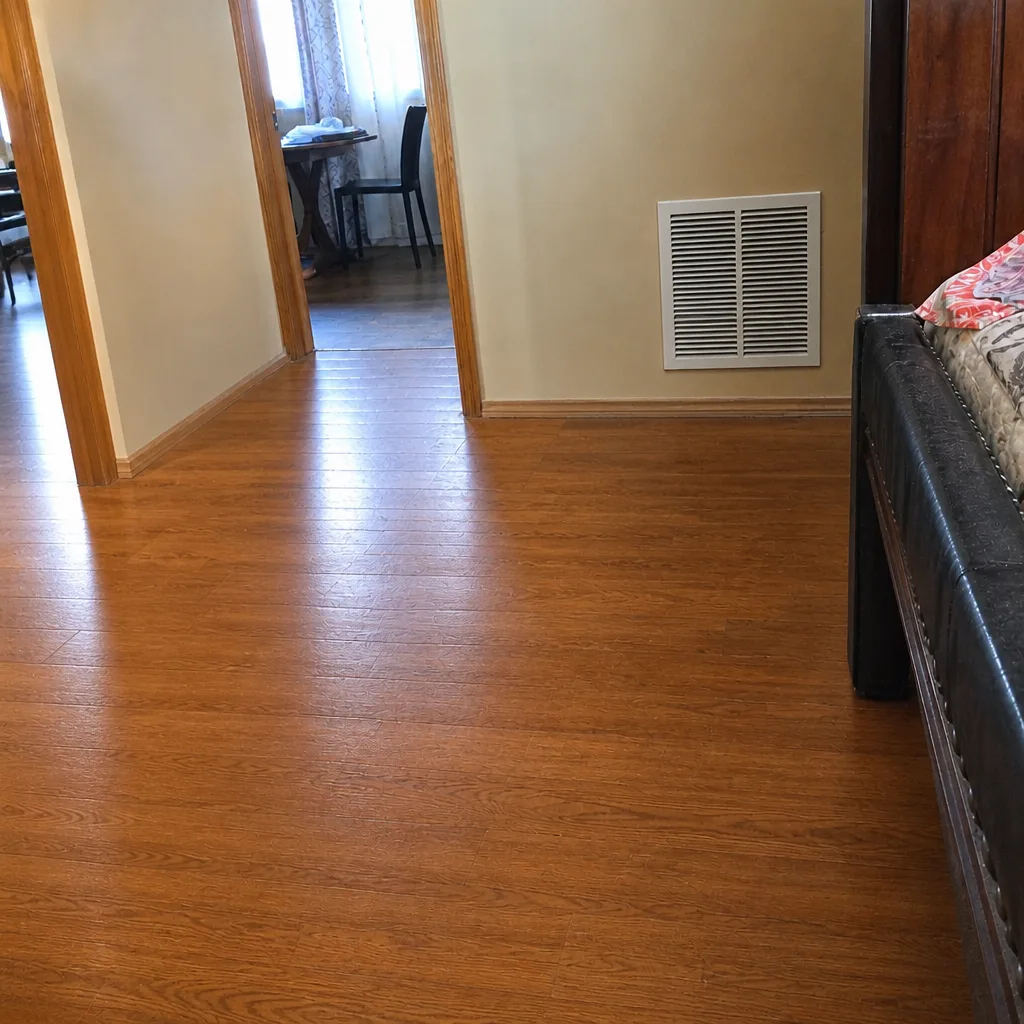 After
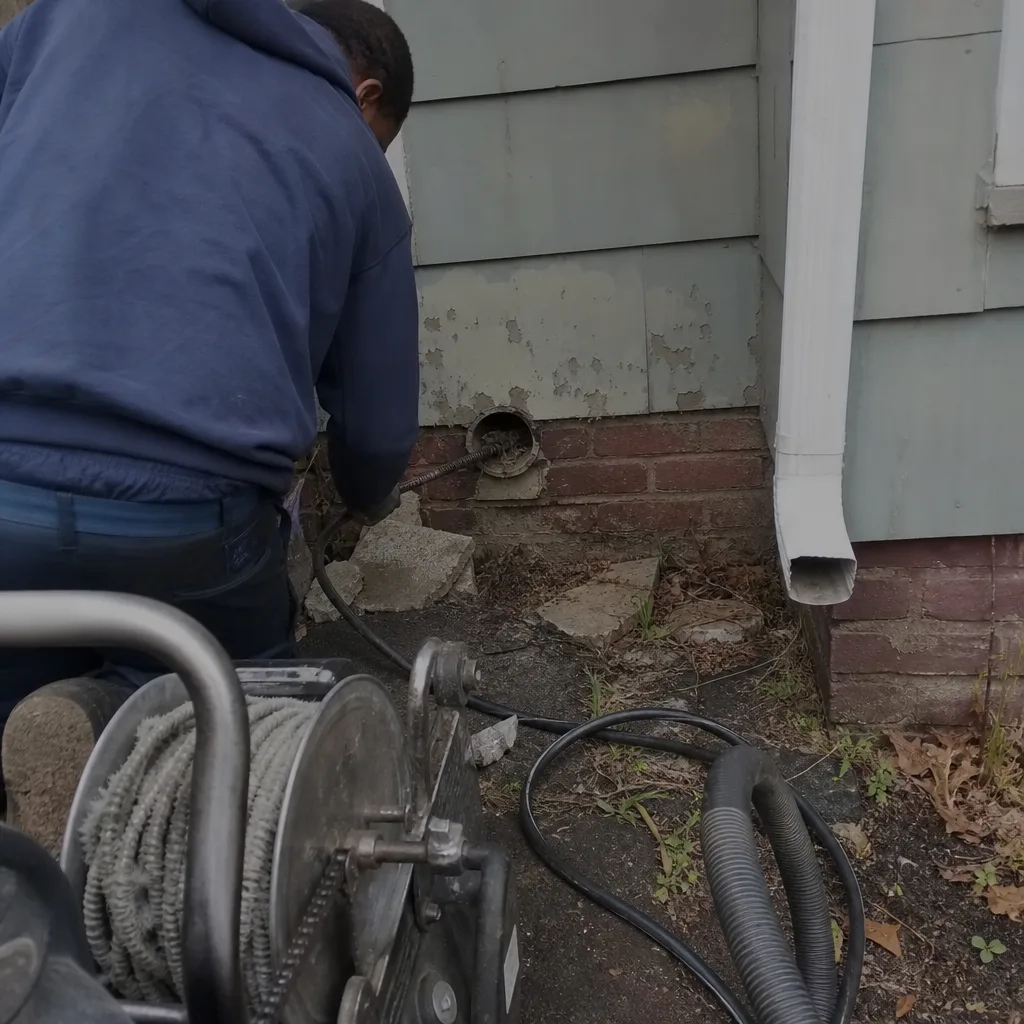 Before
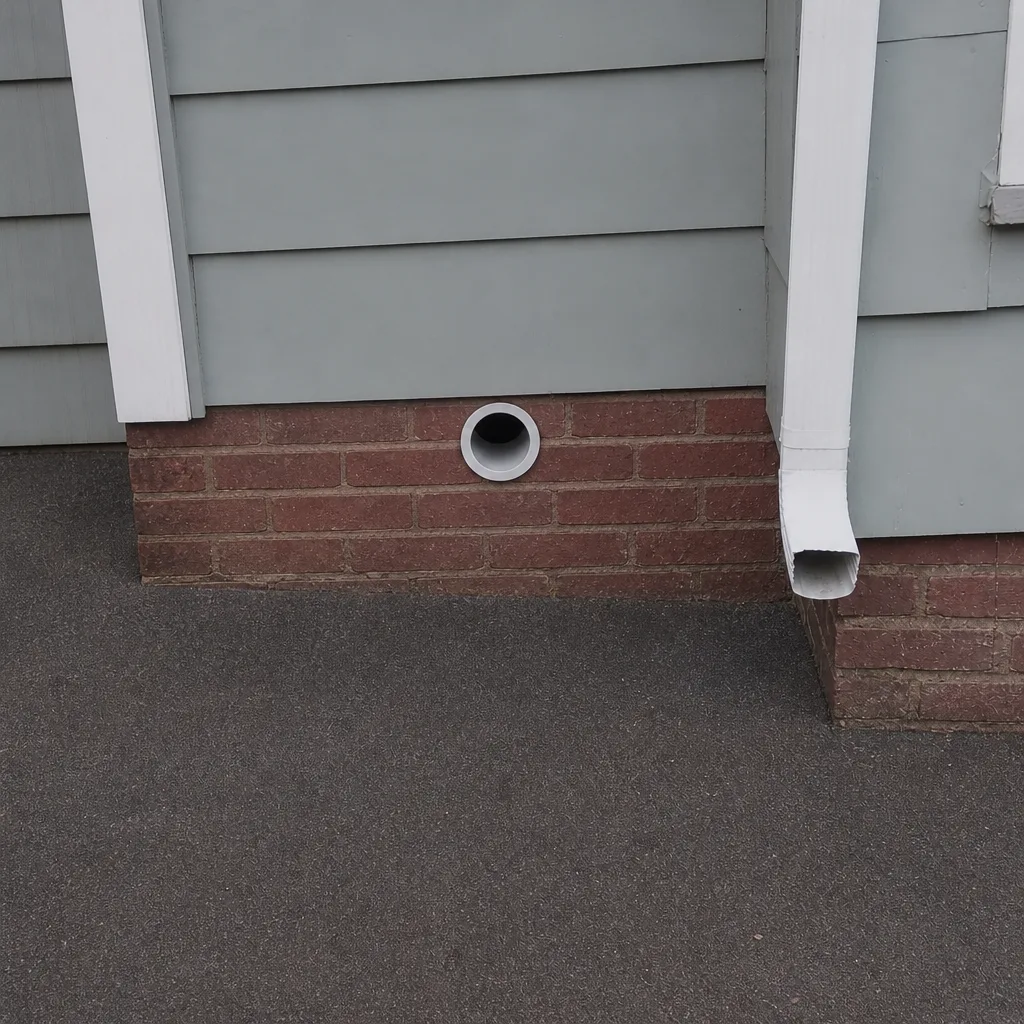 After
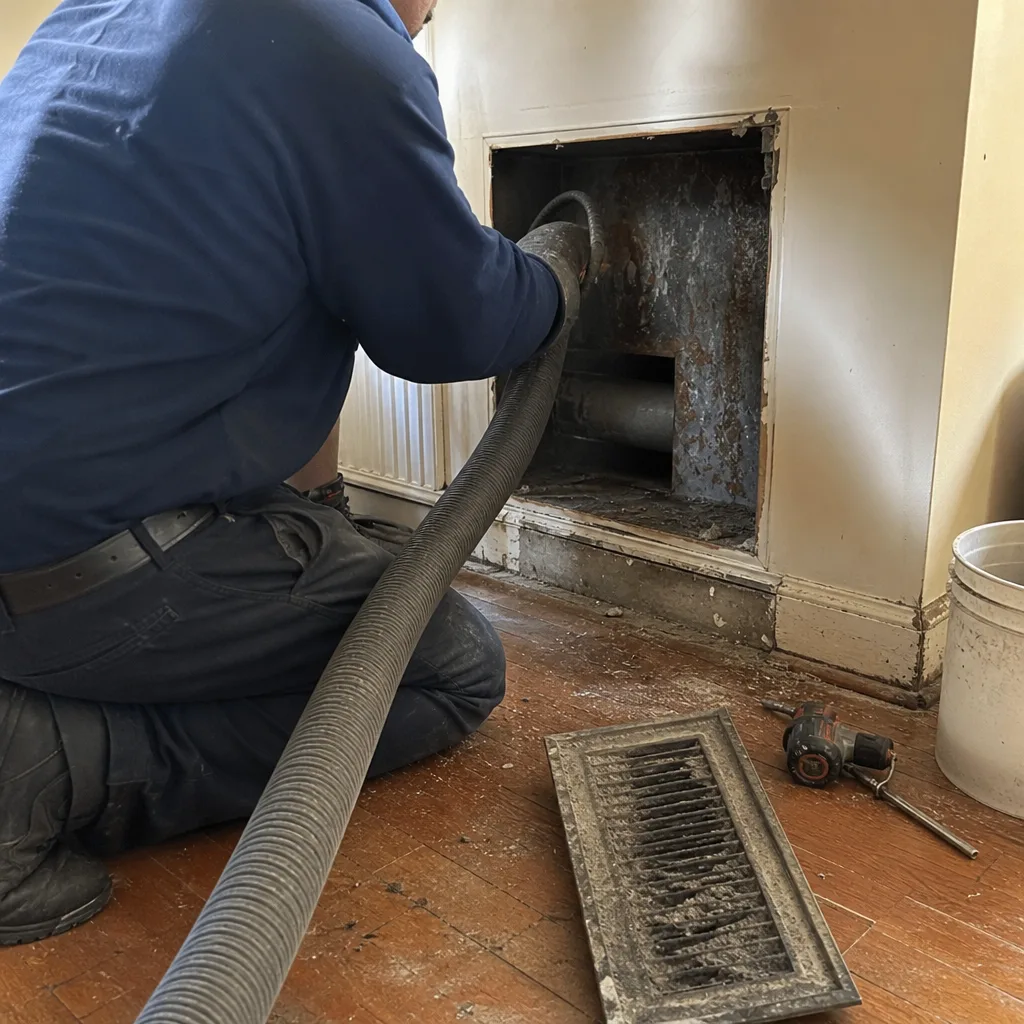 Before
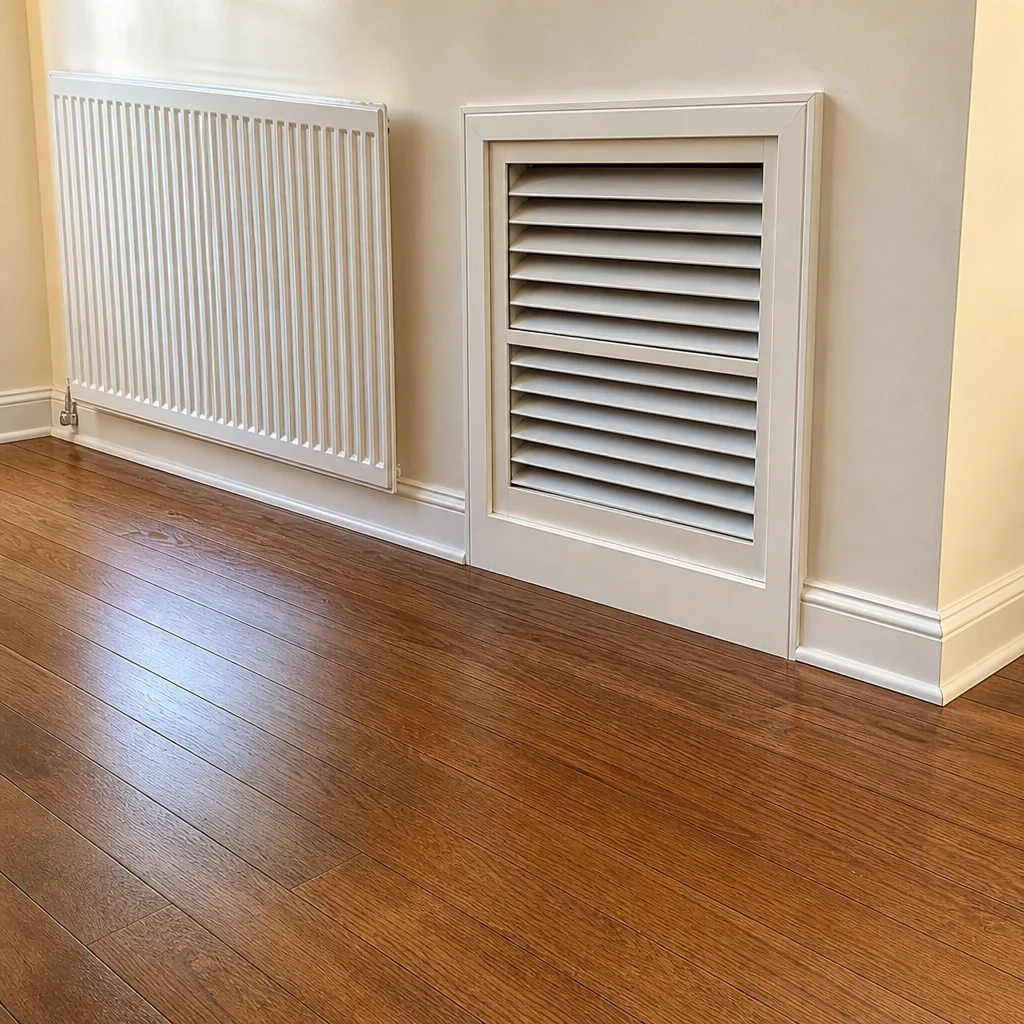 After
When to Call a Professional
Some checklist items are homeowner tasks. Others require professional equipment and a trained eye, and pushing them off causes more damage. Call for a professional evaluation when you see moisture staining or a persistent musty odor, when multiple registers show fibrous buildup, when airflow is uneven between rooms, or when any renovation, water intrusion, or HVAC equipment change has happened since the last cleaning. Those events reset the clock. Also call if it’s been several years since the last documented cleaning and you have no record of what was done. The safety answer is the same for anything near heating equipment or electrical components: leave it to a qualified technician. Air Duct Cleaning Jamaica offers free estimates in Jamaica. Call (866) 937-8830. We answer 24/7. Fast dispatch from 7am to 7pm, Sunday through Friday.
Frequently Asked Questions
Most Jamaica homes fall within a typical estimate range based on the size of the system, the number of supply and return runs, and whether repair or sealing is needed. The honest way to price it is one flat price per system, agreed before work starts, with a written estimate that sets the final price. Be cautious of any quote built on a low teaser price plus per-vent charges; that structure is where surprise invoices come from. Call (866) 937-8830 for an exact quote. Estimates are free.
For most homes, professional duct cleaning every few years is a reasonable baseline, and the checklist tasks in between do the rest. The events that matter more than a calendar are renovation, water intrusion, HVAC equipment changes, and any change in how the home is used. After any of those, treat the system as reset and schedule an evaluation regardless of the last cleaning date. Call (866) 937-8830 and we’ll talk through the timing for your system.
Cheap quotes usually reflect a narrower job: consumer-grade vacuum equipment instead of rotary brush and high-CFM extraction, no on-site air filtration, no inspection for structural duct problems, and pricing that grows once the technician is on site. The work may look finished and leave most of the duct surfaces untouched. Ask what equipment is used and whether containment is deployed. Call (866) 937-8830 for a written estimate on a whole-system price.
Ask for before-and-after photos of your own ducts, not stock images, and compare them against the photos you take yourself at your marked registers. A written scope of work plus your own documentation log gives you a clear record. If a company can’t provide photos of your system, that’s a signal. Call (866) 937-8830 to book a job with documented before-and-after images.
Not always. A musty odor usually points to moisture in the system, and cleaning removes contamination but doesn’t fix the moisture source. Duct repair and sealing, and in some cases equipment work, are what resolve the underlying issue. If the smell returns quickly after a cleaning, have the system evaluated for moisture and leaks. Call (866) 937-8830 to schedule an inspection.
Yes. Multi-unit and two-family properties are common in this part of Queens, and the checklist works the same way per unit: separate documentation, separate filter schedules, and a professional evaluation for each system. If units share return paths or equipment, say so at booking so the job is scoped correctly. Call (866) 937-8830 to set up an estimate for one unit or a whole building.
The Bottom Line
Duct maintenance in Jamaica is a sequence, not a reminder. Run the monthly observations, follow the seasonal checklist through the pollen surge, humidity peak, debris season, and heating startup, and keep a photo log at marked registers so you have a baseline. Watch for the signs that only a professional equipment setup can address: fibrous buildup, moisture staining, uneven airflow, and any renovation, water intrusion, or HVAC change that resets the contamination clock. When those show up, book a cleaning built on rotary brush and high-CFM extraction, with containment, inspection, and repair in the same visit. One flat price per system, agreed before work starts, with before-and-after photos. That’s a maintenance plan worth keeping.
Contact
If your checklist has surfaced something you’d rather have a professional look at, or it’s simply been too long since the last documented cleaning, call (866) 937-8830 for a free estimate. We answer 24/7. Fast dispatch from 7am to 7pm, Sunday through Friday. We’ll walk your system, show you what we find, and give you a flat price per system before any work begins.
Written by the team at Air Duct Cleaning Jamaica.